Lifted pickup trucks. The words conjure images of rugged landscapes, imposing vehicles, and a commanding presence on the road. More than just a transportation method, a lifted truck is a statement, a symbol of capability, and for many, a passion. If you're considering joining the ranks of lifted truck owners, navigating the market can seem daunting. This comprehensive guide will walk you through everything you need to know about lifted pickup trucks for sale, from understanding the lift itself to choosing the right truck for your needs and budget.
Introduction: The Allure of the Lifted Truck
Lifted Pickup Trucks For Sale: A Comprehensive Guide
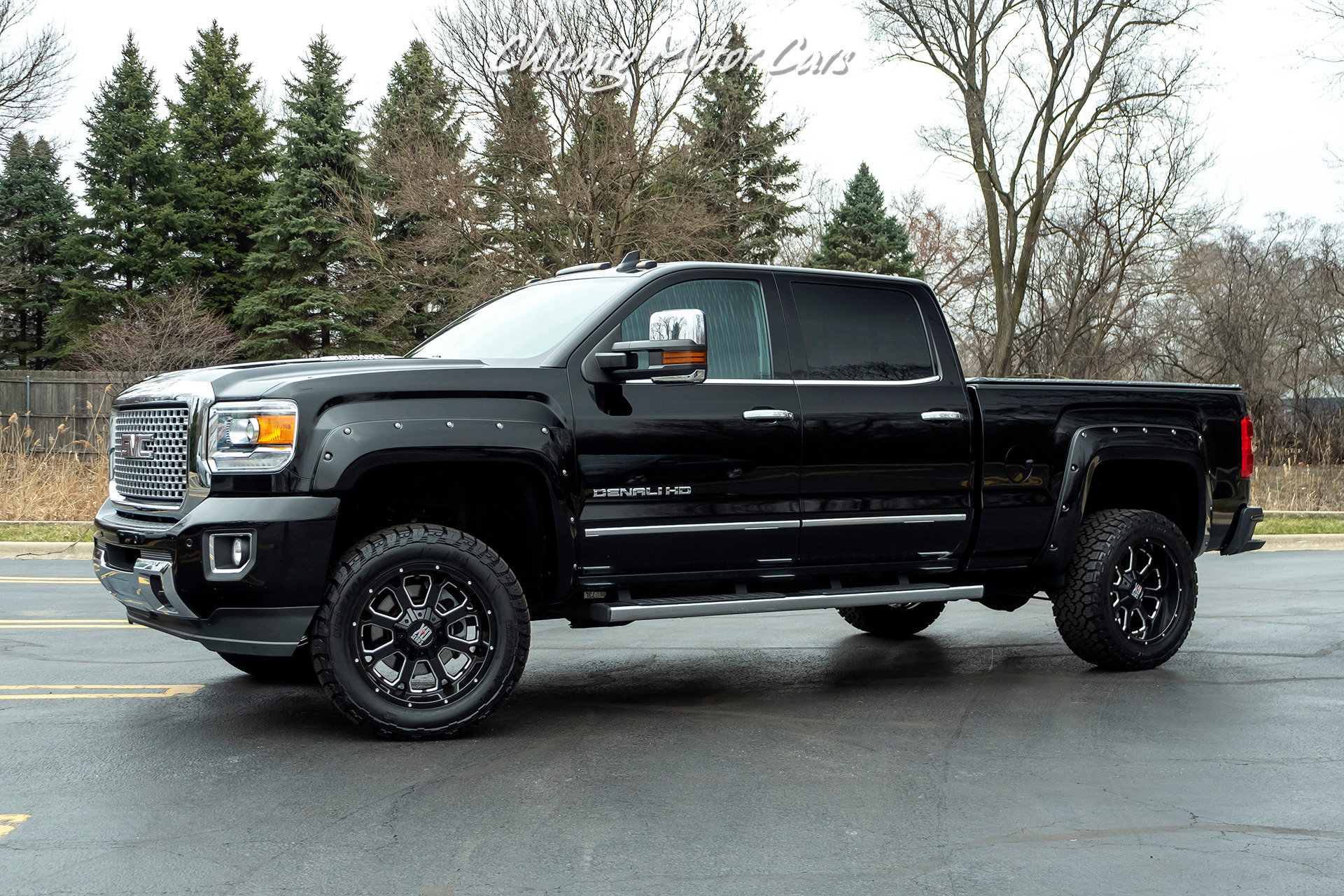
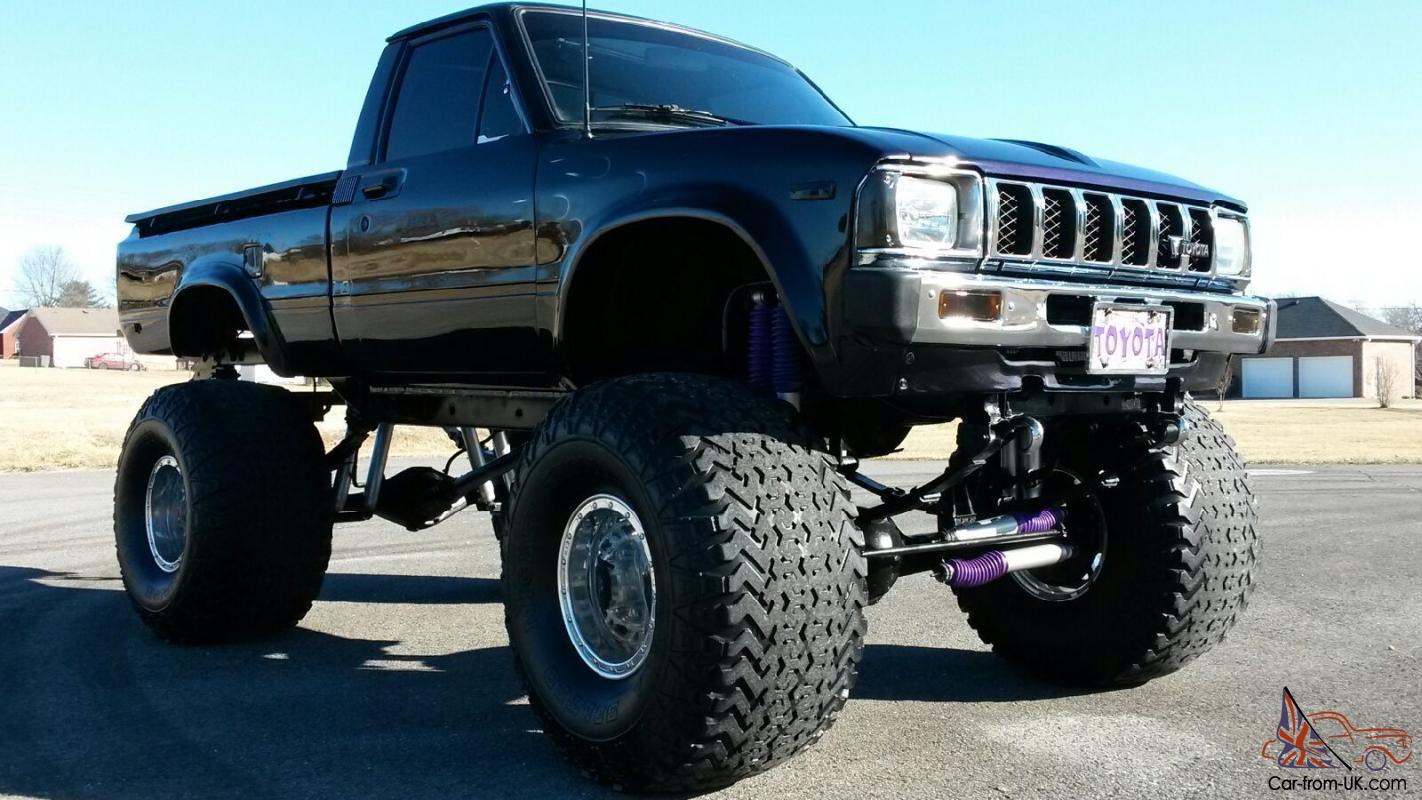
A lifted pickup truck is, at its core, a standard pickup truck that has been modified to sit higher off the ground. This increased ride height is achieved through various suspension modifications, primarily involving replacement components or modifications to the existing suspension system. The result is a vehicle with improved ground clearance, a more aggressive appearance, and often, the ability to accommodate larger tires.
The popularity of lifted trucks stems from a variety of factors. For some, it's about the enhanced off-road capabilities, allowing them to tackle challenging terrain with greater ease. For others, it's the aesthetic appeal – the imposing stature and the undeniably bold look. Still others appreciate the improved visibility and the feeling of security that comes with sitting higher on the road. Whatever the reason, the market for lifted pickup trucks is thriving, offering a wide array of options to suit different needs and preferences.
Understanding the Lift: Types and Considerations
Before diving into the specifics of trucks for sale, it's crucial to understand the different types of lift kits available and the implications of each. The type of lift you choose will significantly impact the truck's performance, handling, and overall cost.
-
Body Lifts: These are the most economical option, raising the body of the truck relative to the frame. They don't alter the suspension geometry, meaning the ride quality remains largely unchanged. However, they don't improve ground clearance for the frame or axles, and are primarily for aesthetic purposes and tire clearance.
-
Suspension Lifts: This is the most common type of lift and involves replacing or modifying suspension components such as springs, shocks, and control arms. Suspension lifts improve ground clearance, allow for larger tires, and can significantly enhance off-road performance. They typically range from 2 inches to over 12 inches.
- Leveling Kits: These are a type of suspension lift, typically designed to raise the front of the truck to match the height of the rear. This eliminates the factory rake and provides a more level stance, often allowing for slightly larger tires.
-
Coilover Lifts: These offer a more sophisticated suspension solution, replacing the factory coil springs and shocks with adjustable coilovers. They provide superior ride quality, improved handling, and greater adjustability for fine-tuning the suspension.

Spindle Lifts: These replace the factory spindles with taller units, lifting the front of the truck without significantly altering the suspension geometry. They are a good option for achieving a modest lift while maintaining good ride quality.
Key Considerations Before Buying:
-
Intended Use: How will you primarily use the truck? Off-roading, daily commuting, towing, or a combination of these? This will influence the type and height of lift you need.
-
Budget: Lift kits and installation costs can vary significantly. Set a realistic budget and stick to it. Remember to factor in the cost of larger tires and wheels, which are often necessary after lifting a truck.
-
Legality: Lifted trucks are subject to various regulations regarding height, bumper height, and headlight alignment. Check your local laws to ensure your modifications are compliant.
-
Warranty: Lifting your truck can potentially void the factory warranty, especially if the modifications are deemed to have caused a problem. Inquire about warranty implications before proceeding.
-
Professional Installation: Unless you have extensive experience working on vehicle suspensions, it's highly recommended to have a professional install the lift kit. Incorrect installation can lead to safety issues and premature wear and tear.
Where to Find Lifted Pickup Trucks for Sale:
The market for lifted pickup trucks is diverse, offering several avenues for finding your perfect ride.
-
Dealerships: Many dealerships, both new and used, offer lifted trucks. Some specialize in lifted vehicles and may have their own in-house customization shops.
-
Online Marketplaces: Websites like AutoTrader, Cars.com, and Craigslist are popular platforms for finding used lifted trucks. Be sure to thoroughly inspect any vehicle you find online before making a purchase.
-
Specialty Shops: Custom truck shops often build and sell lifted trucks, offering a wide range of customization options.
-
Private Sellers: Buying directly from a private seller can sometimes offer a better deal, but it also requires more due diligence on your part.
What to Look for When Inspecting a Lifted Truck:
-
Quality of the Lift Kit: Identify the brand and type of lift kit installed. Research the brand and read reviews to ensure it's a reputable product.
-
Installation Quality: Inspect the installation for any signs of poor workmanship, such as loose bolts, damaged components, or improperly routed wiring.
-
Suspension Components: Check the condition of the shocks, springs, control arms, and other suspension components for signs of wear and tear.
-
Alignment: Have the truck professionally aligned after a lift kit is installed. Misalignment can cause premature tire wear and handling issues.
-
Tire Wear: Uneven tire wear can indicate alignment problems or suspension issues.
-
Overall Condition: Assess the overall condition of the truck, including the engine, transmission, and body. Look for any signs of neglect or abuse.
Types of Lifted Pickup Trucks Available
The market offers lifted versions of nearly every popular pickup truck model. Here are a few of the most common:
- Ford F-Series (F-150, F-250, F-350): The F-Series is consistently the best-selling pickup truck in America, and lifted versions are readily available.
- Chevrolet Silverado/GMC Sierra: These trucks are also highly popular and offer a wide range of customization options.
- Ram Trucks (1500, 2500, 3500): Ram trucks are known for their comfortable ride and powerful engines, making them a popular choice for lifting.
- Toyota Tacoma/Tundra: Toyota trucks are renowned for their reliability and off-road capabilities, making them excellent candidates for lifting.
Tips for Buying a Lifted Pickup Truck:
- Do your research: Understand the different types of lifts, their pros and cons, and the specific needs of your application.
- Set a budget: Determine how much you're willing to spend and stick to it.
- Inspect thoroughly: Don't be afraid to ask questions and thoroughly inspect the truck before making a purchase.
- Test drive: Take the truck for a test drive to assess its handling and ride quality.
- Get a pre-purchase inspection: Have a qualified mechanic inspect the truck to identify any potential problems.
- Negotiate: Don't be afraid to negotiate the price, especially if you find any issues during the inspection.
Potential Challenges and Solutions:
-
Increased Fuel Consumption: Lifting a truck and adding larger tires can significantly reduce fuel economy. Consider this factor when budgeting for ownership costs.
- Solution: Drive conservatively, maintain proper tire pressure, and consider a performance tuner to optimize engine efficiency.
-
Reduced Handling: Lifting a truck can raise the center of gravity, making it more prone to body roll and less stable in corners.
- Solution: Choose a lift kit that includes upgraded shocks and sway bars to improve handling.
-
Difficulty Getting In and Out: Lifting a truck can make it challenging to enter and exit the vehicle, especially for shorter individuals.
- Solution: Install running boards or steps to make it easier to get in and out.
-
Parking Limitations: Lifted trucks can be too tall to fit in some parking garages or drive-throughs.
- Solution: Be mindful of height restrictions and plan your routes accordingly.
Price Table for Lifted Pickup Trucks
| Truck Model | Lift Type | Lift Height (Inches) | Estimated Price Range (USD) | Notes |
|---|---|---|---|---|
| Ford F-150 (Used) | Leveling Kit | 2-3 | $25,000 - $40,000 | Good for aesthetic improvement and minor tire clearance. |
| Ford F-150 (New) | Suspension Lift | 4-6 | $55,000 - $75,000 | Offers improved off-road capability and aggressive look. |
| Chevrolet Silverado (Used) | Body Lift | 3 | $20,000 - $35,000 | Economical option for visual enhancement. |
| Chevrolet Silverado (New) | Coilover Lift | 6-8 | $60,000 - $85,000 | Premium ride quality and highly adjustable suspension. |
| Ram 1500 (Used) | Suspension Lift | 3-5 | $30,000 - $45,000 | Popular choice for daily driving and occasional off-roading. |
| Ram 2500 (New) | Suspension Lift | 6-8 | $70,000 - $95,000 | Heavy-duty truck with significant off-road capabilities. |
| Toyota Tacoma (Used) | Spindle Lift | 2-3 | $28,000 - $42,000 | Retains good ride quality; suitable for mild off-roading. |
| Toyota Tundra (New) | Suspension Lift | 4-6 | $58,000 - $80,000 | Reliable and capable, ideal for off-road adventures. |
Note: These are estimated price ranges and can vary depending on the truck's condition, mileage, location, and specific modifications. New trucks with factory-installed lift kits may also be available at higher prices.
Frequently Asked Questions (FAQ):
-
Q: Will lifting my truck void the warranty?
- A: It depends on the specific warranty and the extent of the modifications. Generally, modifications that directly cause a problem may void the warranty on the affected parts. It's best to check with your dealership or warranty provider.
-
Q: How much does it cost to lift a truck?
- A: The cost varies widely depending on the type of lift kit, the height of the lift, and the labor costs for installation. A basic leveling kit can cost a few hundred dollars, while a high-end suspension lift can cost several thousand.
-
Q: What size tires can I fit on a lifted truck?
- A: The maximum tire size depends on the lift height and the truck's wheel well dimensions. Consult with a tire specialist or lift kit manufacturer for recommendations.
-
Q: Is it safe to lift a truck?
- A: Yes, as long as the lift kit is properly installed and the truck is maintained according to the manufacturer's recommendations.
-
Q: Can I lift my truck myself?
- A: If you have extensive experience working on vehicle suspensions, you may be able to install a lift kit yourself. However, it's generally recommended to have a professional install the kit to ensure it's done correctly.
Conclusion: Embracing the Lifted Life
Buying a lifted pickup truck is a significant investment, but for many, it's a rewarding one. The enhanced capabilities, aggressive styling, and commanding presence on the road make it a truly unique and enjoyable vehicle. By understanding the different types of lifts, considering your specific needs, and doing your research, you can find the perfect lifted truck to suit your lifestyle and budget. Remember to prioritize safety and legality, and enjoy the ride!
0 comments