Introduction: The Rise of Propane in the Pickup Truck World
In a world increasingly focused on environmental responsibility and fuel efficiency, alternative fuel vehicles are gaining significant traction. Among these, propane-powered pickup trucks are emerging as a viable and increasingly attractive option for businesses and individuals alike. But what exactly are propane-powered pickup trucks, and why should you consider one? Simply put, these are standard pickup trucks that have been converted or manufactured to run primarily on propane, also known as liquefied petroleum gas (LPG). Their importance lies in their potential to reduce emissions, lower fuel costs (depending on local propane prices), and contribute to a more sustainable transportation future. This guide provides a comprehensive overview of propane-powered pickup trucks for sale, covering their benefits, considerations, and where to find them. Whether you're a fleet manager looking to cut costs or an individual seeking a greener alternative, this article will equip you with the knowledge you need to make an informed decision.
Propane Powered Pickup Trucks For Sale: A Comprehensive Guide
I. Understanding Propane Powered Pickup Trucks: The Basics
Before diving into the market, it's crucial to understand the fundamental mechanics and technology behind propane-powered trucks.
-
How They Work: Most propane-powered pickup trucks are bi-fuel vehicles, meaning they can run on either propane or gasoline. A conversion kit is installed that includes a separate fuel tank for propane, a regulator to reduce the high pressure of the propane, an electronic control unit (ECU) to manage the fuel injection, and specialized fuel injectors. The driver can typically switch between propane and gasoline with the flip of a switch on the dashboard. Dedicated propane systems, which run exclusively on propane, are also available but less common.
-
Conversion vs. OEM: You'll find two primary routes to acquiring a propane-powered pickup:
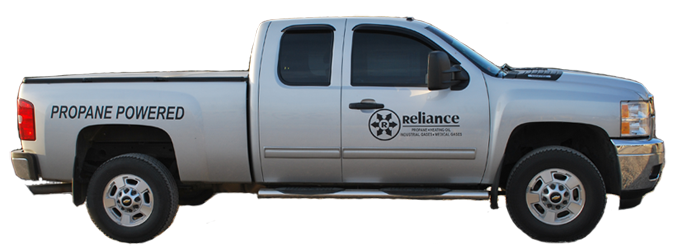
- Conversion: This involves purchasing a standard gasoline-powered pickup truck and having it professionally converted to run on propane. Several companies specialize in propane conversion kits and installations.
- OEM (Original Equipment Manufacturer): Some manufacturers, such as Roush CleanTech (though not directly from Ford, they convert Ford trucks), offer propane-powered trucks directly, often through authorized dealerships. These are usually built with propane compatibility in mind from the start.
-
Fueling Infrastructure: Propane is readily available across the United States, with thousands of refueling stations. Many propane companies also offer on-site refueling services for fleet customers, making it even more convenient. It's essential to research the availability of propane refueling stations in your area before committing to a propane-powered truck.

II. The Benefits of Choosing Propane: Why Consider It?
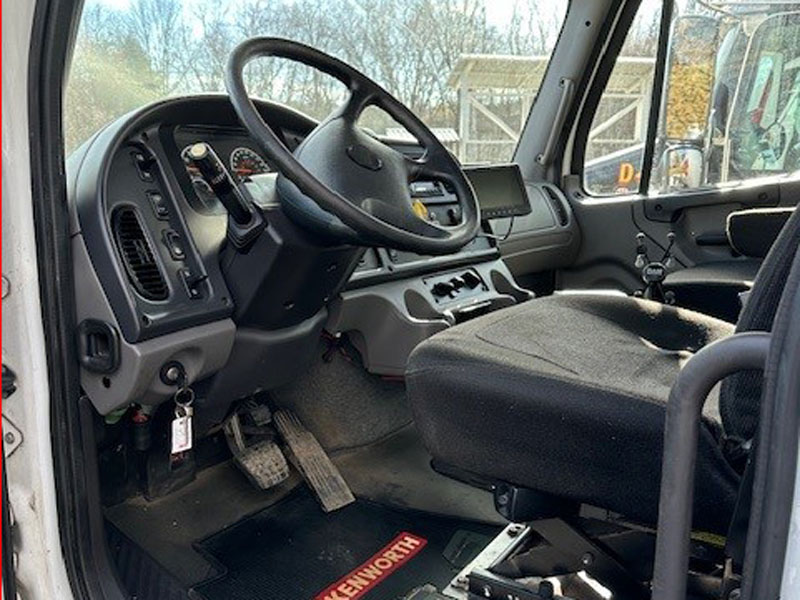
The advantages of propane-powered trucks are multifaceted, making them a compelling choice for many.
-
Reduced Emissions: Propane burns cleaner than gasoline, producing significantly lower levels of greenhouse gases, particularly carbon dioxide (CO2), nitrogen oxides (NOx), and particulate matter. This makes them a more environmentally friendly option, especially in areas with air quality concerns. The specific emission reductions vary depending on the engine and conversion system, but generally, propane vehicles produce fewer harmful pollutants.
-
Lower Fuel Costs (Potentially): Propane prices are often lower than gasoline prices, which can translate into significant fuel cost savings over the lifespan of the vehicle. However, propane prices fluctuate, so it's crucial to compare current propane and gasoline prices in your area. Also, consider that propane typically yields slightly lower fuel economy than gasoline, so calculate the overall cost-effectiveness based on your driving habits.
-
Increased Engine Life: Propane is a cleaner-burning fuel, which can reduce carbon buildup in the engine and potentially extend its lifespan. This can lead to lower maintenance costs over time.
-
Tax Incentives and Rebates: Many federal, state, and local governments offer tax incentives and rebates for purchasing or converting vehicles to run on alternative fuels like propane. These incentives can significantly reduce the initial cost of a propane-powered truck. Research available incentives in your area before making a purchase.
-
Domestic Fuel Source: Propane is primarily produced in the United States, reducing reliance on foreign oil and contributing to energy independence.
III. Finding Propane Powered Pickup Trucks For Sale: Where to Look
Locating propane-powered pickup trucks for sale requires some research and strategic searching.
-
Roush CleanTech Dealers: Roush CleanTech is a leading provider of propane fuel systems for Ford trucks. Visit their website or contact them directly to find authorized dealers in your area. These dealers typically offer new Ford trucks with Roush CleanTech propane conversion systems already installed.
-
Propane Conversion Specialists: Search online for companies specializing in propane vehicle conversions. These companies can convert existing gasoline-powered pickup trucks to run on propane. Ensure the company is reputable and certified to perform propane conversions.
-
Online Marketplaces: Websites like Commercial Truck Trader, Truck Paper, and eBay Motors may list propane-powered pickup trucks for sale, both new and used. Use keywords like "propane pickup truck," "LPG truck," or "bi-fuel truck" to refine your search.
-
Government Fleet Auctions: Government agencies often sell used vehicles, including propane-powered trucks, at auction. Check with your local and state government agencies for upcoming auctions.
-
Fleet Sales: Contact fleet management companies or large corporations that operate fleets of vehicles. They may be selling off older propane-powered trucks.
IV. Important Considerations Before Buying:
Before making a purchase, carefully consider these factors:
-
Conversion Quality: If buying a converted truck, ensure the conversion was performed by a certified technician using high-quality components. Ask for documentation of the conversion process and warranty information.
-
Fuel Tank Size and Placement: Consider the size of the propane fuel tank and its placement. Ensure it doesn't significantly reduce cargo space or ground clearance. Check that the tank meets all safety regulations and is properly installed.
-
Maintenance and Repair: Find a mechanic or service center in your area that is experienced in working on propane-powered vehicles. Propane systems require specialized maintenance and repair procedures.
-
Insurance: Contact your insurance provider to ensure they offer coverage for propane-powered vehicles. Some insurance companies may have specific requirements or limitations.
-
Resale Value: Research the resale value of propane-powered trucks in your area. While the market is growing, it may still be smaller than the market for gasoline-powered trucks.
V. Propane Powered Pickup Trucks: Types and Categories
While the fundamental concept remains the same, there are variations in propane-powered pickup trucks:
-
Light-Duty Trucks (e.g., Ford F-150, Chevrolet Silverado 1500, Ram 1500): These are the most common types of propane-powered pickups, often used for personal and light commercial applications.
-
Heavy-Duty Trucks (e.g., Ford F-250/F-350, Chevrolet Silverado 2500/3500, Ram 2500/3500): These trucks are designed for heavier workloads and towing and may be converted to propane for fleet applications.
-
Cab Configurations: Propane conversions are available for various cab configurations, including regular cab, extended cab, and crew cab.
-
Bed Lengths: Propane systems can be installed on trucks with different bed lengths, depending on the model and conversion kit.
VI. Tips for a Successful Propane Truck Purchase:
- Test Drive Both Fuels: If the truck is bi-fuel, test drive it on both propane and gasoline to ensure smooth operation.
- Inspect the Fuel System: Carefully inspect the propane fuel tank, regulator, and fuel lines for any signs of damage or leaks.
- Review Maintenance Records: Request maintenance records to assess the vehicle's history and identify any potential issues.
- Get a Pre-Purchase Inspection: Have a qualified mechanic inspect the truck before you buy it, paying particular attention to the propane system.
- Negotiate the Price: Don't be afraid to negotiate the price, especially if the truck has high mileage or is a used conversion.
VII. Potential Challenges and Solutions:
- Higher Initial Cost: Propane-powered trucks may have a higher initial cost than gasoline-powered trucks due to the conversion or specialized manufacturing. Solution: Look for tax incentives and rebates to offset the higher cost. Consider the long-term fuel cost savings.
- Limited Refueling Infrastructure (in some areas): Propane refueling stations may not be as readily available as gasoline stations in all areas. Solution: Research the availability of propane refueling stations in your area before buying. Consider installing an on-site refueling station for fleet operations.
- Lower Fuel Economy (slightly): Propane typically yields slightly lower fuel economy than gasoline. Solution: Calculate the overall cost-effectiveness based on your driving habits and local propane prices. Consider that the lower price of propane may offset the lower fuel economy.
VIII. Price table
| Truck Type | Year | Make | Model | Fuel Type | Price (USD) | Mileage | Notes |
|---|---|---|---|---|---|---|---|
| Light-Duty Pickup | 2020 | Ford | F-150 | Bi-Fuel | $35,000 | 45,000 | Roush CleanTech Conversion, Excellent Condition |
| Heavy-Duty Pickup | 2018 | Ram | 2500 | Bi-Fuel | $30,000 | 60,000 | Well Maintained, Fleet Vehicle |
| Light-Duty Pickup | 2022 | Chevy | Silverado 1500 | Bi-Fuel | $42,000 | 25,000 | Low Mileage, Dealer Maintained |
| Heavy-Duty Pickup | 2019 | Ford | F-350 | Bi-Fuel | $38,000 | 50,000 | Heavy Duty Suspension, Ready for Work |
| Light-Duty Pickup | 2021 | GMC | Sierra 1500 | Bi-Fuel | $40,000 | 30,000 | Premium Trim, Leather Seats |
| Conversion Kit (New) | N/A | N/A | Universal | Propane | $8,000 | 0 | Includes Installation |
| Light-Duty Pickup | 2017 | Ford | F-150 | Bi-Fuel | $28,000 | 70,000 | Bargain Price, Good for Commuting |
| Heavy-Duty Pickup | 2020 | Ram | 3500 | Bi-Fuel | $45,000 | 40,000 | Dually, High Towing Capacity |
IX. Frequently Asked Questions (FAQ)
-
Q: Are propane-powered trucks safe?
- A: Yes, propane-powered trucks are generally considered safe when properly converted and maintained. Propane tanks are designed to be very robust and resistant to punctures.
-
Q: Will a propane conversion void my truck's warranty?
- A: It depends on the conversion and the original manufacturer's warranty. Some conversions may void certain parts of the warranty. Check with the manufacturer and the conversion specialist before proceeding. Roush CleanTech conversions typically come with their own warranty.
-
Q: Can I convert my own truck to run on propane?
- A: It is strongly recommended that you have a professional convert your truck to run on propane. Propane systems are complex and require specialized knowledge and equipment to install and maintain safely.
-
Q: How often do I need to service a propane-powered truck?
- A: The service intervals for a propane-powered truck are generally similar to those for a gasoline-powered truck. However, you may need to have the propane system inspected more frequently.
-
Q: Where can I find a mechanic who works on propane-powered vehicles?
- A: Search online for mechanics specializing in alternative fuel vehicles or contact a propane company in your area for recommendations.
Conclusion: A Sustainable and Economical Choice
Propane-powered pickup trucks offer a compelling blend of environmental responsibility and potential cost savings. While there are important considerations to keep in mind, such as conversion quality, refueling infrastructure, and maintenance, the benefits of reduced emissions, potential fuel cost savings, and increased engine life make them a worthy option for businesses and individuals looking for a greener and more economical transportation solution. As the demand for alternative fuel vehicles continues to grow, propane-powered pickup trucks are poised to play an increasingly significant role in the future of transportation. Take the time to research your options, compare prices, and consider your specific needs to determine if a propane-powered pickup truck is the right choice for you. The road to a more sustainable future may very well be paved with propane.
0 comments