Pickup trucks are workhorses, symbols of American grit, and versatile vehicles for everything from hauling materials to off-road adventures. However, buying a new pickup can be a significant investment. Enter salvage pickup trucks: a potentially cost-effective alternative for mechanically inclined individuals or those looking for a project vehicle. But navigating the world of salvage titles and damaged vehicles requires careful consideration and a healthy dose of due diligence. This comprehensive guide will walk you through everything you need to know about buying salvage pickup trucks for sale, from understanding salvage titles to assessing damage and making informed decisions.
Introduction: The Appeal and Reality of Salvage Pickup Trucks
Salvage Pickup Trucks For Sale: A Comprehensive Guide to Buying and Restoring
A "salvage" vehicle is one that has been declared a total loss by an insurance company, usually due to significant damage from accidents, floods, or theft. The key takeaway is that the cost to repair the vehicle exceeded its pre-damage value, according to the insurer. This declaration results in the vehicle receiving a "salvage title."
The allure of salvage pickup trucks is undeniable. They offer the potential for substantial savings compared to buying a clean-titled, undamaged truck. For those with the skills and resources to repair them, they can represent a fantastic opportunity to own a capable pickup at a fraction of the cost. Furthermore, salvage trucks can be a goldmine for parts, providing valuable components for other projects or repairs.
However, the reality of salvage vehicles can be more complex. They often require extensive repairs, potentially involving significant time, money, and specialized expertise. Hidden damage can lurk beneath the surface, and the process of re-titling a salvage vehicle can vary significantly by state. This guide aims to equip you with the knowledge necessary to navigate these complexities and determine if buying a salvage pickup truck is the right choice for you.
I. Understanding Salvage Titles: A Foundation for Informed Decisions
The title is the legal document proving ownership of a vehicle. A "salvage title" indicates that the vehicle has been declared a total loss. Understanding the implications of this designation is crucial before even considering a purchase.
- Types of Salvage Titles: States may use different terminology, but common terms include "Salvage Title," "Certificate of Destruction," and "Non-Repairable Certificate." The specific terminology and requirements for re-titling vary from state to state, so research is paramount.
- Branded Titles: In some cases, a salvaged vehicle that has been repaired and inspected may receive a "branded title," such as "Rebuilt Title," "Restored Salvage Title," or "Prior Salvage." This title indicates that the vehicle was previously salvaged but has been brought back to roadworthy condition.
- Impact on Value: A salvage or branded title significantly reduces the resale value of a vehicle, even after it has been repaired. Buyers are often hesitant to purchase vehicles with these titles due to concerns about hidden damage and potential reliability issues.
- Insurance Considerations: Insuring a vehicle with a salvage or rebuilt title can be more challenging and expensive. Some insurance companies may refuse to cover such vehicles, while others may offer limited coverage or require a more thorough inspection.
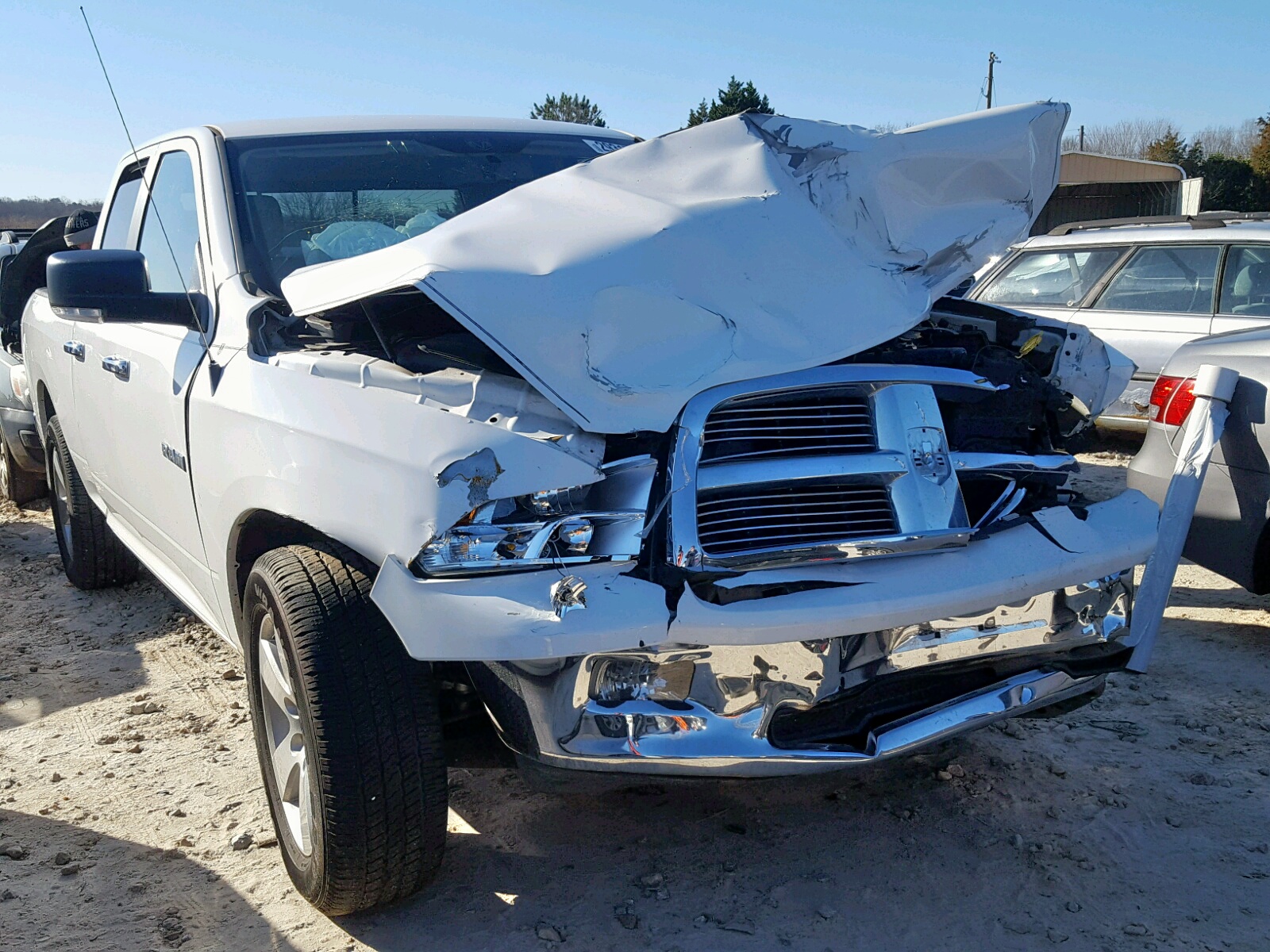
II. Finding Salvage Pickup Trucks for Sale: Exploring Your Options
Several avenues exist for finding salvage pickup trucks for sale. Each offers unique advantages and disadvantages:
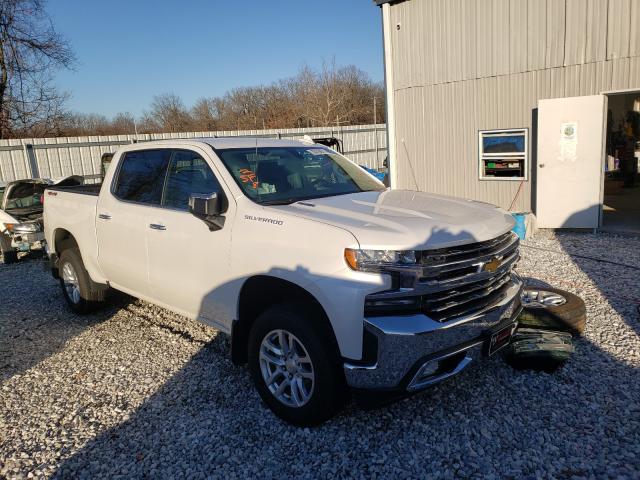
- Online Auctions: Websites like Copart and Insurance Auto Auctions (IAA) are major players in the salvage vehicle market. They offer a vast selection of vehicles, but often require registration and may involve bidding wars. Research the fees associated with these auctions carefully.
- Local Salvage Yards: Local salvage yards can be a great source for finding specific parts or even entire trucks. They often offer more personalized service and the opportunity to inspect the vehicle in person before making a purchase.
- Private Sellers: Occasionally, individuals will sell salvage vehicles directly. This can be a good option if you can thoroughly inspect the vehicle and negotiate a fair price. However, be wary of scams and ensure the seller has a legitimate title.
- Dealerships: Some dealerships specialize in selling rebuilt or salvaged vehicles. While potentially more expensive than other options, they may offer warranties or guarantees.
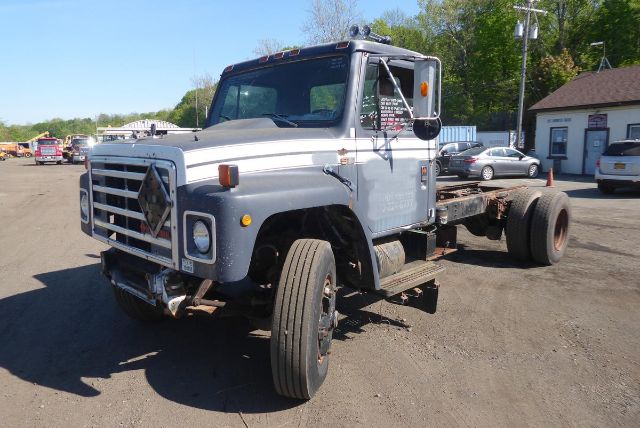
III. Assessing Damage: A Critical Step in the Buying Process
Thoroughly assessing the damage to a salvage pickup truck is crucial to determining its repairability and value. This process requires a keen eye and, ideally, the assistance of a qualified mechanic.
- Visual Inspection: Start with a comprehensive visual inspection, looking for signs of collision damage, rust, flood damage, or fire damage. Pay close attention to the frame, suspension, engine compartment, and interior.
- Mechanical Inspection: If possible, have a qualified mechanic inspect the engine, transmission, and other critical mechanical components. This can help identify hidden damage or potential problems.
- Frame Damage: Frame damage is a major concern, as it can affect the vehicle's structural integrity and make it difficult to align. Check for bends, cracks, or rust on the frame.
- Electrical System: Inspect the wiring harness and electrical components for damage or corrosion. Flood-damaged vehicles are particularly susceptible to electrical problems.
- Flood Damage Indicators: Look for signs of water damage, such as water stains, mildew, or corrosion. Check the oil and other fluids for contamination.
- Diagnostic Scan: A diagnostic scan can reveal hidden problems with the engine, transmission, or other systems.
- Consider the Extent of Damage: Differentiate between cosmetic damage (dents, scratches) and structural damage (frame, major mechanical components). Cosmetic damage is generally less expensive to repair.
IV. Estimating Repair Costs: Budgeting for the Restoration Project
Accurately estimating repair costs is essential to determining whether a salvage pickup truck is a worthwhile investment. This requires careful research and realistic expectations.
- Obtain Multiple Quotes: Get quotes from several reputable repair shops for the necessary repairs. Be sure to provide them with a detailed list of the damage.
- Parts Availability: Check the availability and cost of replacement parts. Some parts may be difficult to find or expensive, especially for older or less common models.
- Hidden Costs: Factor in potential hidden costs, such as additional repairs, unexpected problems, and the cost of re-titling the vehicle.
- Your Own Labor: If you plan to do some of the repairs yourself, estimate the cost of your time and the tools you will need. Be realistic about your skills and experience.
- Compare to Market Value: Compare the estimated repair costs to the market value of a similar, undamaged pickup truck. If the repair costs exceed the market value, the salvage truck may not be a worthwhile investment.
V. The Re-Titling Process: Getting Your Truck Back on the Road
The process of re-titling a salvage vehicle varies significantly from state to state. It typically involves repairing the vehicle to meet state safety standards, obtaining an inspection, and submitting the necessary paperwork.
- State Regulations: Research the specific re-titling requirements in your state. This information is usually available on the website of your state's Department of Motor Vehicles (DMV).
- Repairs and Inspections: Complete all necessary repairs to meet state safety standards. This may involve replacing damaged parts, repairing the frame, and ensuring that all safety equipment is functioning properly. Once repairs are complete, you will need to have the vehicle inspected by a state-certified inspector.
- Paperwork: Gather all required paperwork, including the salvage title, repair receipts, inspection report, and application for a rebuilt title.
- Fees: Pay the necessary fees for the inspection and re-titling process.
- Be Patient: The re-titling process can take time, so be patient and follow the instructions of your state's DMV.
VI. Types of Salvage Pickup Trucks: Identifying Potential Projects
Salvage pickup trucks come in various conditions and with different types of damage. Understanding these differences can help you identify potential projects that align with your skills and budget.
- Collision Damage: These trucks have been involved in accidents and may have damage to the body, frame, or mechanical components.
- Flood Damage: These trucks have been submerged in water and may have extensive damage to the electrical system, engine, and interior.
- Fire Damage: These trucks have been damaged by fire and may have extensive damage to the engine, interior, and body.
- Theft Recovery: These trucks have been stolen and recovered. They may have damage from vandalism or neglect.
- Mechanical Issues: Some trucks may be salvaged due to major mechanical failures, such as a blown engine or a damaged transmission.
VII. Tips for Buying Salvage Pickup Trucks:
- Do your research: Before you even start looking at trucks, research the market value of the make and model you are interested in.
- Inspect the truck thoroughly: Don't rely solely on the seller's description. Inspect the truck yourself, or have a qualified mechanic do it for you.
- Negotiate the price: Don't be afraid to negotiate the price. Salvage trucks are often priced higher than they are worth.
- Be prepared to walk away: If you are not comfortable with the condition of the truck or the price, be prepared to walk away. There are plenty of other salvage trucks out there.
- Document everything: Keep records of all your inspections, estimates, and repairs. This will be helpful when you go to re-title the truck.
VIII. Potential Challenges and Solutions:
- Hidden Damage: Challenge: Undiscovered damage can significantly increase repair costs. Solution: Thorough inspection, professional mechanic assessment, and a contingency fund for unexpected repairs.
- Parts Availability: Challenge: Finding specific parts, especially for older or less common models, can be difficult. Solution: Research parts availability beforehand, explore aftermarket options, and consider sourcing parts from other salvage vehicles.
- State Regulations: Challenge: Navigating the re-titling process can be complex and time-consuming. Solution: Contact your local DMV for detailed information, follow their instructions carefully, and be patient.
- Depreciation: Challenge: Salvage-titled vehicles have significantly lower resale value. Solution: Purchase with the intention of long-term ownership, focus on personal use, and understand the reduced market value upfront.
Conclusion: A Calculated Risk with Potential Rewards
Buying a salvage pickup truck is not for the faint of heart. It requires careful research, thorough inspection, and a realistic assessment of your skills and resources. However, for mechanically inclined individuals with a passion for restoration, it can be a rewarding experience. By understanding the intricacies of salvage titles, assessing damage effectively, and budgeting wisely, you can transform a discarded pickup into a reliable and capable vehicle, all while saving a significant amount of money. Remember, the key to success is due diligence, patience, and a healthy dose of mechanical aptitude.
Table: Price and Information about Salvage Pickup Trucks
| Feature | Description | Price Range (USD) | Notes |
|---|---|---|---|
| Initial Purchase Price | Cost of the truck in its salvaged condition | $500 - $10,000+ | Varies greatly based on damage, make, model, year, and auction/seller. |
| Inspection Fee | Cost to have a qualified mechanic inspect the truck before purchase | $100 - $300 | Highly recommended to identify hidden issues. |
| Replacement Parts | Cost of parts needed for repair (e.g., body panels, engine components, electrical parts) | Varies Widely | Dependent on the extent of damage and availability of parts. Can range from a few hundred to several thousand dollars. |
| Labor Costs | Cost of professional labor for repairs if you are not doing them yourself | Varies Widely | Hourly rates vary by region and the complexity of the work. |
| Re-titling Fees | Fees charged by the DMV for inspection and issuing a rebuilt title | $50 - $500 | Varies by state. |
| Insurance Costs | Annual insurance premiums for a rebuilt/salvaged titled vehicle | Higher than Clean Title | Expect to pay a premium compared to a clean-titled vehicle. Shop around for quotes. |
| Overall Project Cost | Total estimated cost of purchasing, repairing, and re-titling the salvage truck | $1,000 - $20,000+ | Highly variable. Thorough estimation is crucial. |
| Market Value (Clean) | Estimated market value of the same make/model truck with a clean title and similar mileage/condition | Varies Widely | Use this as a benchmark to determine if the salvage project is financially viable. |
| Resale Value (Rebuilt) | Estimated resale value of the truck after it has been rebuilt and re-titled | Lower than Clean Title | Expect a significant discount compared to a clean-titled truck. |
Frequently Asked Questions (FAQ)
- Q: Is it legal to drive a salvage vehicle?
- A: No. You cannot legally drive a vehicle with a salvage title on public roads until it has been repaired, inspected, and re-titled with a rebuilt or similar title.
- Q: Can I get full coverage insurance on a salvage vehicle?
- A: It can be more difficult to obtain full coverage insurance on a salvage vehicle. Some insurers may only offer liability coverage.
- Q: How do I find out the re-titling requirements in my state?
- A: Contact your state's Department of Motor Vehicles (DMV) or visit their website.
- Q: Is it worth buying a salvage truck if I don't know anything about cars?
- A: Probably not. Buying a salvage truck requires a certain level of mechanical knowledge and the ability to assess damage and estimate repair costs.
- Q: What is the best way to avoid scams when buying a salvage truck?
- A: Thoroughly inspect the vehicle, check the title for any discrepancies, and be wary of sellers who are unwilling to provide information or allow you to inspect the truck. Use reputable auction sites or salvage yards.
- Q: How much can I save by buying a salvage pickup truck?
- A: The potential savings can be significant, but it depends on the extent of the damage, the cost of repairs, and your ability to do some of the work yourself.
- Q: What are some of the most common problems with salvage pickup trucks?
- A: Common problems include frame damage, engine damage, electrical problems, flood damage, and hidden damage.
- Q: Where can I find the VIN (Vehicle Identification Number) on a salvage truck?
- A: The VIN is typically located on the dashboard (visible through the windshield), the driver's side doorjamb, and on the vehicle's title and registration documents. Verify the VIN matches across all locations.
0 comments