The rumble of a V8, the glint of chrome, and the sheer ruggedness – these are the hallmarks of a classic Ford pickup truck. For generations, these workhorses have defined American ingenuity and grit, evolving from utilitarian tools to cherished pieces of automotive history. Today, the market for classic Ford pickup trucks for sale is thriving, attracting enthusiasts, collectors, and those simply seeking a unique and dependable vehicle. But navigating this market requires knowledge and a discerning eye. This comprehensive guide will equip you with the information you need to find the perfect classic Ford pickup truck, understand its value, and ensure a rewarding ownership experience.
Why the Classic Ford Pickup Truck Market Remains Strong
The Enduring Appeal: A Comprehensive Guide to Classic Ford Pickup Trucks For Sale
The allure of classic Ford pickups stems from several factors:
- Nostalgia: They represent a simpler time, evoking memories of hard work, family farms, and the open road.
- Design: The classic lines and robust styling are a refreshing contrast to modern, often overly-complicated vehicles.
- Mechanical Simplicity: Many classic Ford pickups are relatively easy to maintain and repair, making them appealing to DIY enthusiasts.
- Investment Potential: Certain models, particularly those in excellent condition or with rare features, have appreciated significantly in value over time.
- Customization: The simplicity of the design allows for extensive customization, enabling owners to create truly unique vehicles.
- Community: A vibrant community of classic Ford truck enthusiasts exists, offering support, advice, and shared experiences.
Navigating the Classic Ford Pickup Truck Market: A Model-by-Model Breakdown
The term "classic" is subjective, but generally encompasses Ford pickup trucks from the pre-war era up to the late 1970s. Here's a look at some of the most popular models you'll find for sale:
- Early Ford Trucks (1930s-1940s): These pre-war trucks are the rarest and most sought-after. Think Model A and Model BB trucks. They embody a bygone era of automotive design and are often meticulously restored. Be prepared for higher prices and the challenge of sourcing parts.
- Ford F-Series First Generation (1948-1952): Introduced after World War II, this series marked a significant shift in Ford truck design. The F-1 (light duty) and F-2 (heavy duty) are particularly popular. These trucks offer a blend of classic styling and improved usability.
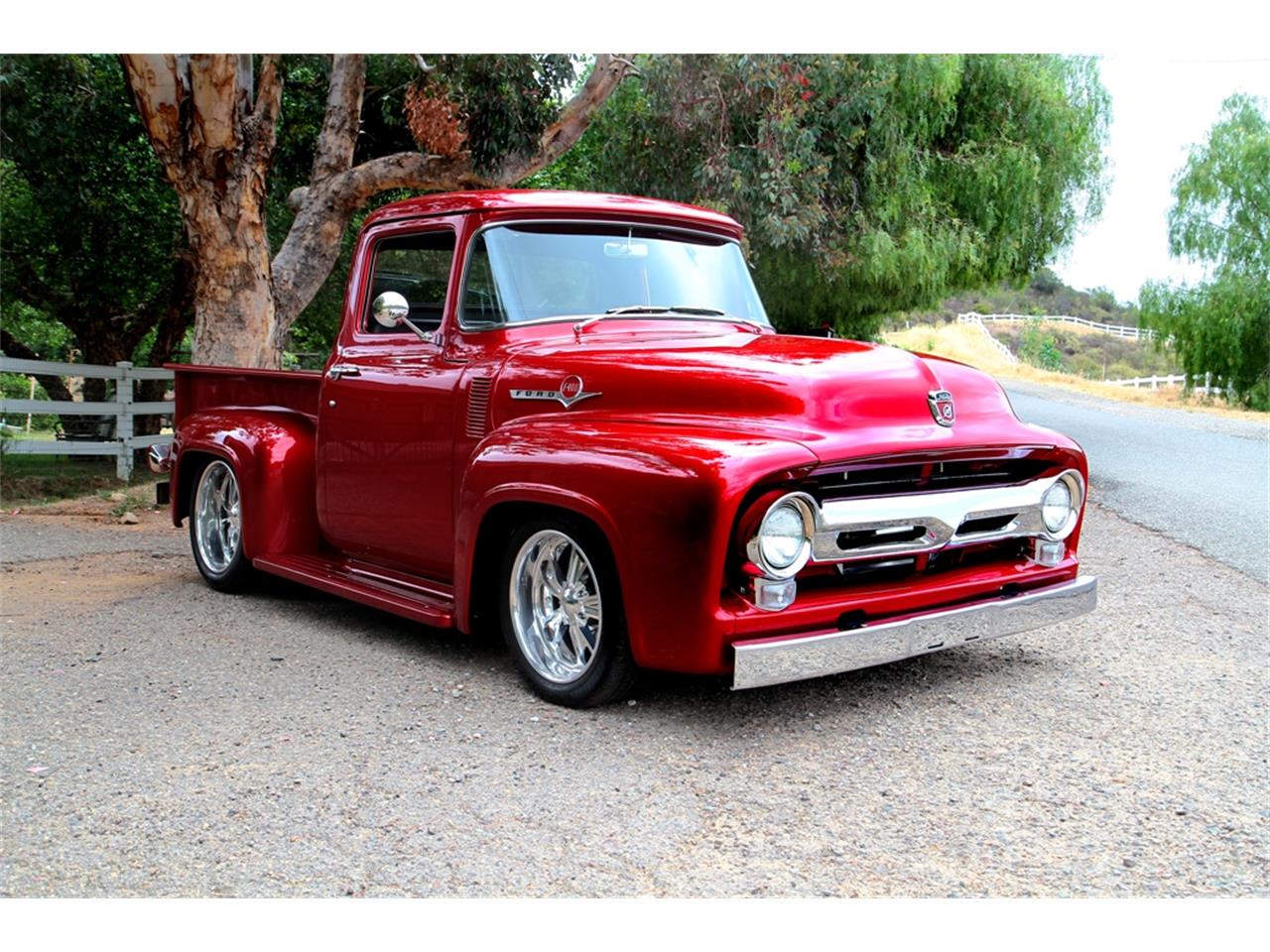
- Ford F-Series Second Generation (1953-1956): Known for their distinctive "wraparound" windshields, these trucks are highly desirable. This generation also saw the introduction of the iconic "F-100" nameplate.
- Ford F-Series Third Generation (1957-1960): These trucks feature a wider stance and more modern styling. The introduction of the "Styleside" bed, with its integrated fenders, was a significant design innovation.
- Ford F-Series Fourth Generation (1961-1966): This generation is characterized by its "unibody" design (where the cab and bed are integrated) in early models, and a return to the traditional separate cab and bed design later on.
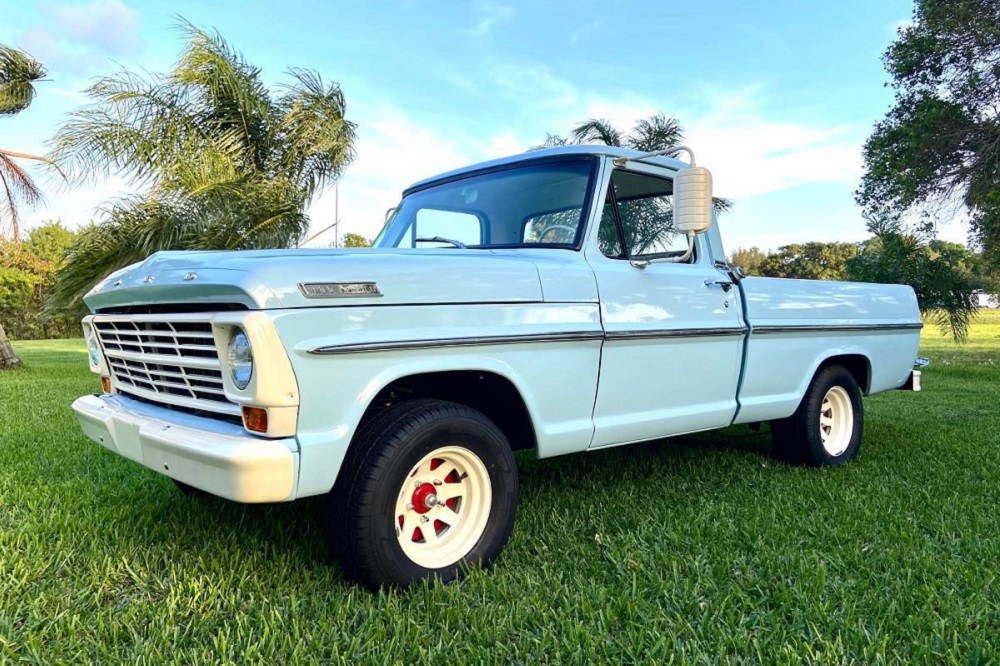
- Ford F-Series Fifth Generation (1967-1972): This generation is arguably one of the most popular and recognizable classic Ford truck designs. The "bumpside" (referring to the indentations along the side of the bed) is a defining feature.
- Ford F-Series Sixth Generation (1973-1979): Known as the "dentside" generation, these trucks offer a more modern driving experience while retaining classic styling. They are generally more affordable than earlier generations.

Finding Classic Ford Pickup Trucks For Sale: A Practical Guide
Once you've identified your preferred model, the search begins. Here are some avenues to explore:
- Online Marketplaces: Websites like Hemmings, ClassicCars.com, eBay Motors, and Bring a Trailer are excellent starting points. Use specific search terms (e.g., "1967 Ford F-100 for sale") and filter by location, price, and condition.
- Local Classifieds: Don't overlook local classifieds websites and newspapers. You might find hidden gems being sold by private owners.
- Auctions: Classic car auctions can be a great place to find rare or meticulously restored trucks. However, be prepared for competitive bidding and buyer's premiums.
- Car Clubs and Enthusiast Groups: Joining a local or online Ford truck club can provide valuable leads and access to trucks that aren't publicly advertised.
- Word of Mouth: Let friends, family, and colleagues know you're looking for a classic Ford pickup. You never know who might have a lead.
- Specialty Dealers: Some dealers specialize in classic cars, including Ford trucks. They often have a curated inventory and can provide expert advice.
Assessing the Condition: A Critical Evaluation
Before committing to a purchase, thoroughly assess the truck's condition. This involves:
- Visual Inspection: Examine the body for rust, dents, and other damage. Pay close attention to areas prone to rust, such as the lower body panels, wheel wells, and bed.
- Mechanical Inspection: Check the engine, transmission, brakes, and suspension. Look for leaks, unusual noises, and signs of wear and tear. If possible, have a mechanic inspect the truck.
- Frame Inspection: The frame is the backbone of the truck. Look for rust, cracks, and evidence of repairs. A damaged frame can be costly to repair and compromise safety.
- Interior Inspection: Evaluate the condition of the seats, dashboard, and other interior components. Original interiors in good condition are a plus.
- Test Drive: A test drive is essential. Pay attention to how the truck handles, shifts, and brakes. Listen for any unusual noises.
- Documentation: Check for any available documentation, such as the original title, owner's manual, and service records. This can provide valuable information about the truck's history.
Negotiating the Price: Understanding Market Value
Determining the fair market value of a classic Ford pickup can be challenging. Factors that influence price include:
- Model and Year: Some models are more desirable than others, and earlier years are generally more valuable.
- Condition: A truck in excellent condition will command a higher price than one in poor condition.
- Originality: Trucks with original parts and features are often more valuable.
- Rarity: Rare options or limited-edition models can significantly increase the price.
- Location: Prices can vary depending on location, with trucks in areas with high demand typically fetching higher prices.
- Market Trends: The classic car market is subject to trends, so it's important to stay informed about current values.
Use online resources like Hagerty Valuation Tools and NADAguides to get an idea of the market value for your desired model and condition. Be prepared to negotiate with the seller.
Restoration vs. Preservation: Defining Your Goals
Before buying a classic Ford pickup, consider your long-term goals:
- Restoration: Restoring a truck to its original condition can be a rewarding but time-consuming and expensive process.
- Preservation: Preserving a truck in its original condition, even with some wear and tear, can be a more practical and affordable option.
- Customization: Customizing a truck allows you to create a unique vehicle that reflects your personal style.
Potential Challenges and Solutions
Owning a classic Ford pickup comes with its own set of challenges:
- Parts Availability: Finding parts for older models can be difficult. Online resources, salvage yards, and specialty parts suppliers are your best bets.
- Maintenance: Classic trucks require regular maintenance. Learn basic maintenance procedures or find a reliable mechanic who specializes in classic vehicles.
- Storage: Protecting your classic truck from the elements is essential. A garage or covered storage space is ideal.
- Fuel Efficiency: Classic trucks are not known for their fuel efficiency. Be prepared for higher gas bills.
Classic Ford Pickup Trucks For Sale: Price Table
| Model | Year Range | Condition | Approximate Price Range | Notes |
|---|---|---|---|---|
| Ford Model A Pickup | 1928-1931 | Fair | $15,000 - $25,000 | Rare, requires significant restoration. |
| Ford Model A Pickup | 1928-1931 | Good | $25,000 - $40,000 | Restored examples command higher prices. |
| Ford F-1 | 1948-1952 | Fair | $10,000 - $20,000 | Popular entry-level classic. |
| Ford F-1 | 1948-1952 | Good | $20,000 - $35,000 | Higher prices for original or well-restored trucks. |
| Ford F-100 | 1953-1956 | Fair | $15,000 - $25,000 | "Wraparound" windshield adds to value. |
| Ford F-100 | 1953-1956 | Good | $25,000 - $45,000 | Excellent condition models can exceed this range. |
| Ford F-100 "Bumpside" | 1967-1972 | Fair | $12,000 - $22,000 | Very popular and widely available. |
| Ford F-100 "Bumpside" | 1967-1972 | Good | $22,000 - $40,000 | Well-maintained examples are highly sought after. |
| Ford F-100 "Dentside" | 1973-1979 | Fair | $8,000 - $18,000 | More affordable and readily available. |
| Ford F-100 "Dentside" | 1973-1979 | Good | $18,000 - $30,000 | More modern features than earlier models. |
| Ford F-250/F-350 (All Eras) | Varies | Fair/Good | $8,000 - $40,000 | Prices vary greatly based on year, condition, and engine configuration. |
| Rare/Unique Models | Varies | Varies | Significantly Higher | Examples include factory big-block engines, special trim packages, etc. |
Disclaimer: These prices are estimates and can vary depending on market conditions, location, and specific vehicle characteristics.
Frequently Asked Questions (FAQ)
- Q: What's the best classic Ford pickup to buy?
- A: It depends on your budget, goals, and personal preferences. The F-100 "bumpside" (1967-1972) is a popular choice for its classic styling and relatively affordable price.
- Q: How much does it cost to restore a classic Ford pickup?
- A: Restoration costs can vary widely, from a few thousand dollars for minor repairs to tens of thousands of dollars for a full restoration.
- Q: Where can I find parts for my classic Ford pickup?
- A: Online retailers, salvage yards, and specialty parts suppliers are good sources for parts.
- Q: How can I protect my classic Ford pickup from rust?
- A: Store your truck in a dry, covered location. Regularly wash and wax it to protect the paint. Apply rust inhibitors to vulnerable areas.
- Q: Is a classic Ford pickup a good investment?
- A: Certain models, particularly those in excellent condition or with rare features, have the potential to appreciate in value. However, it's important to do your research and buy wisely.
Conclusion: Embracing the Legacy
Owning a classic Ford pickup truck is more than just owning a vehicle; it's about embracing a legacy. These trucks represent a proud history of American ingenuity and hard work. By understanding the market, assessing the condition, and being prepared for the challenges, you can find the perfect classic Ford pickup truck to enjoy for years to come. So, start your search, embrace the journey, and experience the enduring appeal of these iconic machines. Happy hunting!
0 comments