Introduction: The Enduring Appeal of 1960s Pickup Trucks
The rumble of a V8, the glint of chrome, and the rugged lines of a bygone era – these are the hallmarks of 1960s pickup trucks. More than just vehicles, these trucks represent a time of American innovation, hard work, and iconic design. The 1960s were a golden age for pickup trucks, witnessing significant advancements in engineering, styling, and functionality. As a result, these trucks have transcended their utilitarian origins to become highly sought-after collector's items and weekend cruisers. If you're considering buying a 1960s pickup truck, you're not just purchasing a vehicle; you're investing in a piece of automotive history. This guide provides a comprehensive overview of what to consider when looking for 1960s pickup trucks for sale, helping you navigate the market and find the perfect classic truck to fit your needs and budget.
1960s Pickup Trucks For Sale: A Buyer's Guide to Classic American Workhorses
Section 1: Why Buy a 1960s Pickup Truck?
Before diving into the specifics of finding and buying a 1960s pickup, let's explore why these vehicles remain so popular.
-
Nostalgia and Style: These trucks embody a classic American aesthetic. Their simple, robust designs and vintage charm are unmatched by modern vehicles. Owning one evokes a sense of nostalgia and provides a connection to a simpler time.
-
Investment Potential: Well-maintained 1960s pickup trucks are appreciating assets. Their value continues to rise as they become rarer and more desirable. Buying one can be a sound financial investment, especially if you choose a popular model in good condition.
-
Ease of Maintenance: Compared to modern vehicles, 1960s trucks are relatively simple to maintain. Parts are generally readily available, and their straightforward mechanical systems make them easier to work on, even for novice mechanics.
Customization Options: These trucks are blank canvases for customization. Whether you want to restore it to its original glory or create a unique restomod, the possibilities are endless.
-
Community and Camaraderie: Owning a classic truck connects you to a vibrant community of enthusiasts. Car shows, online forums, and local clubs provide opportunities to share your passion and learn from others.
Section 2: Popular 1960s Pickup Truck Models
Understanding the popular models of the 1960s is crucial for informed buying. Here are some of the most sought-after trucks from this era:
-
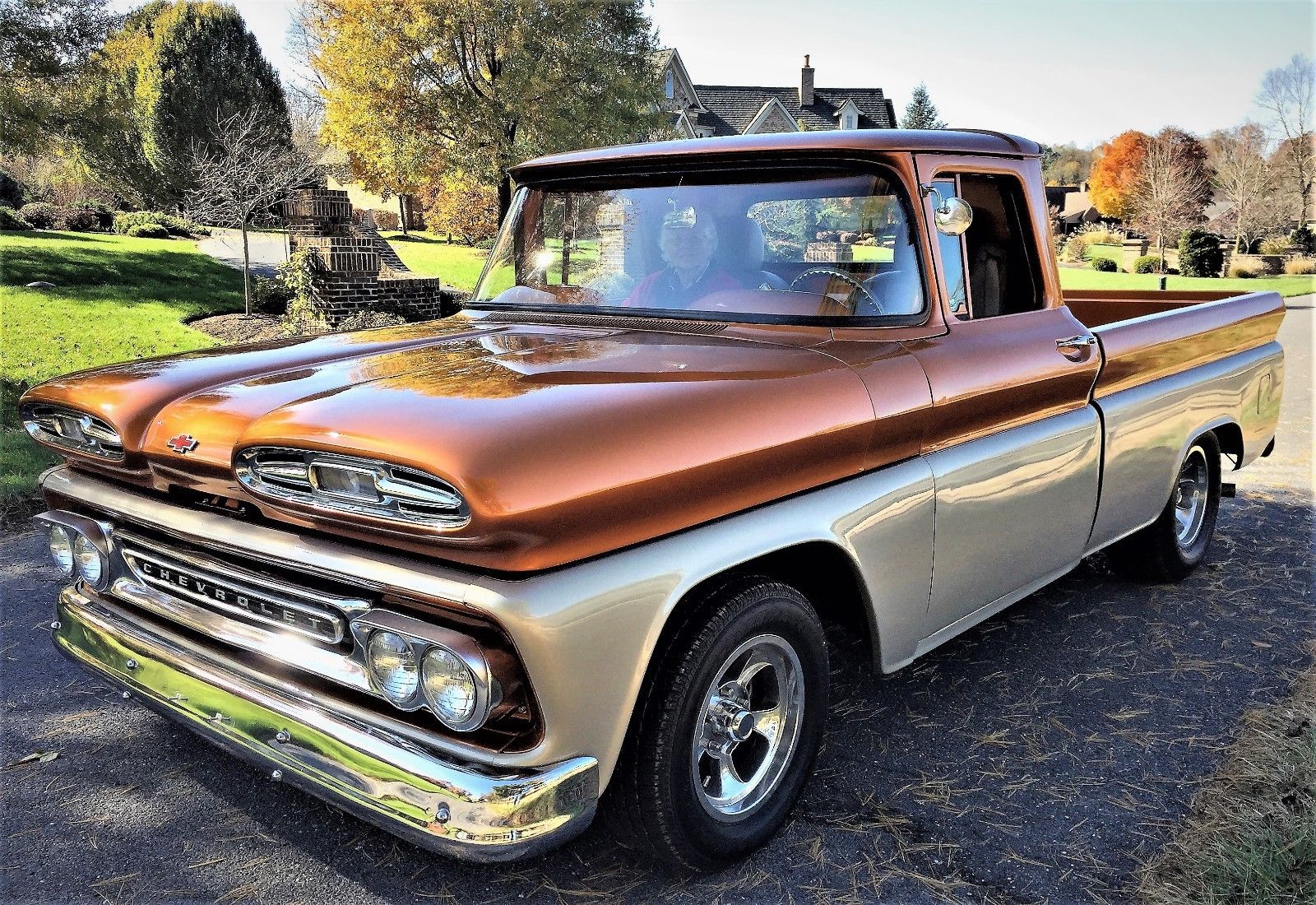
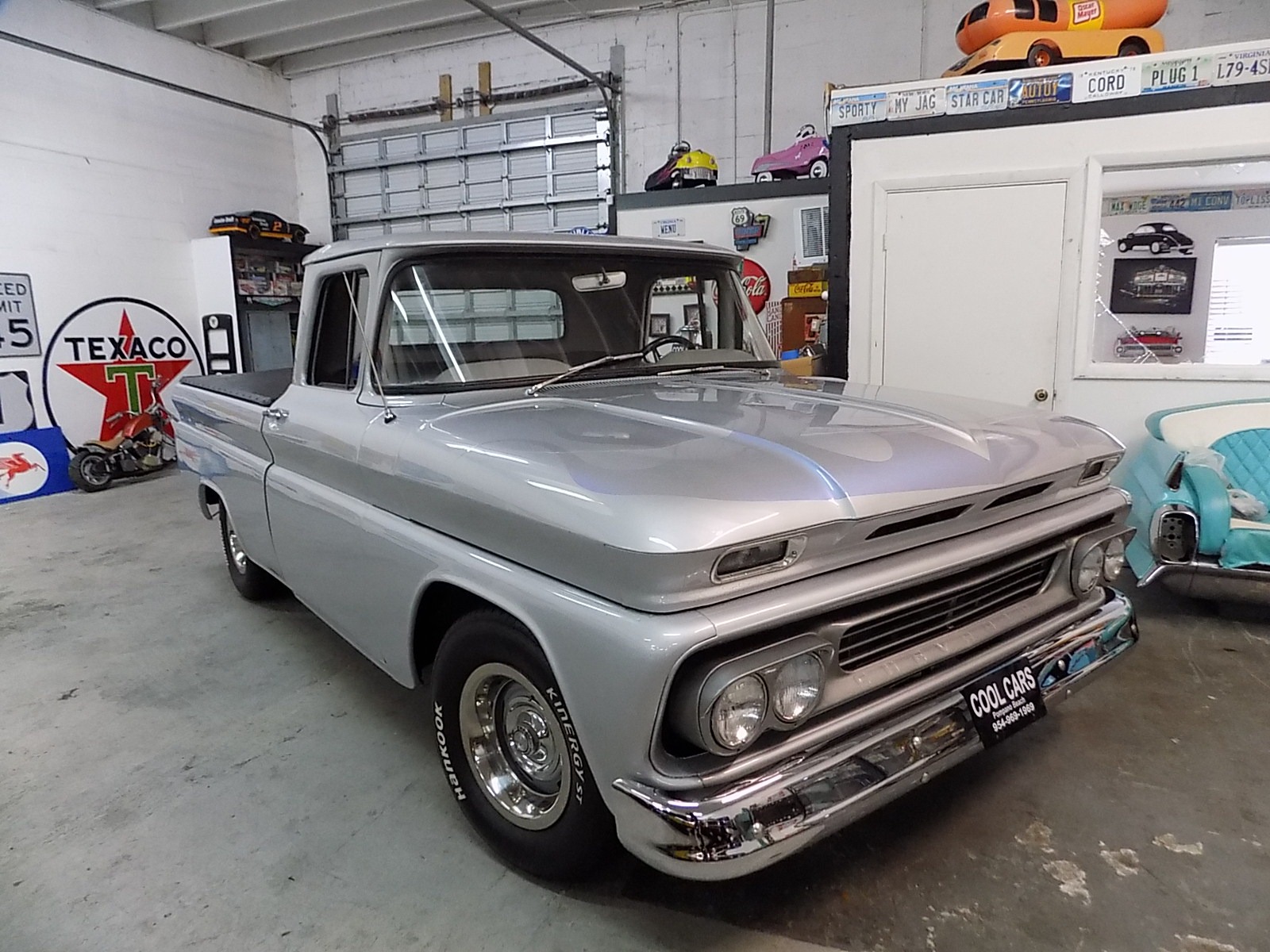
Chevrolet C/K Series (1960-1966): The C/K series is arguably the most iconic pickup of the 1960s. Its distinctive styling, including the "Fleetside" and "Stepside" bed options, made it a popular choice. The C10, C20, and C30 models offered varying payload capacities.
-
Ford F-Series (1961-1966): Ford's F-Series was a strong contender during this decade. The "Twin I-Beam" independent front suspension, introduced in 1965, provided improved ride quality. The F100, F250, and F350 models catered to different needs.
-
Dodge D Series (1961-1971): Dodge's D Series offered a unique blend of style and performance. Its distinctive front grille and robust construction made it a reliable workhorse. The D100, D200, and D300 models were available.
-
Jeep Gladiator (1963-1971): The Jeep Gladiator was a versatile and rugged pickup truck known for its off-road capabilities. Its unique design and four-wheel-drive options made it a popular choice for adventurous drivers.
Section 3: Where to Find 1960s Pickup Trucks For Sale
The search for a classic pickup can be exciting but requires patience and diligence. Here are some of the best places to find 1960s trucks for sale:
-
Online Marketplaces: Websites like Hemmings, ClassicCars.com, and eBay Motors are popular platforms for buying and selling classic vehicles. These sites offer a wide selection of trucks and allow you to filter your search by make, model, year, and location.
-
Classic Car Auctions: Auctions like Barrett-Jackson and Mecum offer a curated selection of classic cars, including 1960s pickup trucks. Auctions can be a great place to find rare or highly restored vehicles, but be prepared to pay a premium.
-
Local Car Shows and Swap Meets: Attending local car shows and swap meets can be a great way to find trucks for sale and connect with other enthusiasts. You might even stumble upon a hidden gem that's not listed online.
-
Private Sellers: Networking with local car clubs and enthusiasts can lead you to private sellers who are looking to part with their classic trucks. Buying from a private seller can sometimes result in a better deal, but be sure to thoroughly inspect the vehicle before making a purchase.
-
Specialized Classic Car Dealers: Some dealerships specialize in buying and selling classic cars. These dealers often have a good reputation and offer warranties or guarantees on their vehicles.
Section 4: Assessing the Condition of a 1960s Pickup Truck
Thoroughly assessing the condition of a 1960s pickup truck is crucial to avoid costly surprises. Here's what to look for:
-
Body Condition: Check for rust, dents, and other signs of damage. Pay close attention to areas prone to rust, such as the rocker panels, cab corners, and bed floor. Inspect the paint for imperfections and signs of previous repairs.
-
Engine and Mechanicals: Listen for unusual noises, check for leaks, and ensure that the engine starts and runs smoothly. Inspect the transmission, brakes, and suspension for any signs of wear or damage.
-
Interior Condition: Examine the upholstery, carpets, and dashboard for tears, stains, or cracks. Check the functionality of the gauges, lights, and other electrical components.
-
Frame Condition: The frame is the backbone of the truck. Inspect it for rust, cracks, or signs of previous repairs. A damaged frame can be costly to repair and may compromise the safety of the vehicle.
-
Documentation: Ask for any available documentation, such as the original owner's manual, service records, and restoration receipts. This information can provide valuable insights into the truck's history and maintenance.
-
Professional Inspection: Consider hiring a qualified mechanic or appraiser to perform a pre-purchase inspection. This can help you identify any hidden problems and ensure that you're making a sound investment.
Section 5: Negotiation and Pricing
Negotiating the price of a 1960s pickup truck requires research and preparation. Here are some tips for successful negotiation:
-
Research Market Value: Use online resources and auction results to determine the fair market value of the truck you're interested in. Factor in the truck's condition, mileage, and optional equipment.
-
Identify Flaws: Point out any flaws or defects that you've identified during your inspection. This can give you leverage in the negotiation process.
-
Be Prepared to Walk Away: Don't be afraid to walk away from a deal if the seller isn't willing to negotiate a fair price. There are plenty of other trucks out there.
-
Consider the Cost of Repairs: Factor in the cost of any necessary repairs or restoration work when negotiating the price.
-
Payment Options: Discuss payment options with the seller. Cash is often preferred, but some sellers may be willing to accept a cashier's check or financing.
Section 6: Restoration vs. Preservation
When buying a 1960s pickup, you'll likely encounter trucks in varying states of restoration or preservation. Understanding the difference is key.
-
Restoration: A restoration aims to return the truck to its original factory condition. This often involves extensive bodywork, mechanical repairs, and interior refurbishment. Restored trucks typically command higher prices.
-
Preservation: A preserved truck is one that has been maintained in its original condition, with minimal modifications or repairs. Preserved trucks often show signs of wear and tear but retain their authenticity.
-
Restomod: A restomod combines the classic styling of a vintage truck with modern performance and technology. Restomods often feature updated engines, transmissions, suspensions, and interiors.
Choosing between restoration, preservation, and restomod depends on your personal preferences and budget.
Section 7: Legal and Title Considerations
Before finalizing the purchase, ensure that the truck has a clear title and that all legal requirements are met.
-
Title Search: Conduct a title search to ensure that the seller has the legal right to sell the truck and that there are no liens or encumbrances on the title.
-
Bill of Sale: Obtain a bill of sale that includes the seller's name and address, the buyer's name and address, the truck's year, make, and model, the vehicle identification number (VIN), the sale price, and the date of sale.
-
Registration and Insurance: Register the truck with your local Department of Motor Vehicles (DMV) and obtain insurance coverage before driving it on public roads.
Section 8: Common Challenges and Solutions
Buying a 1960s pickup truck can present some challenges. Here are some common issues and their solutions:
-
Rust: Rust is a common problem with older vehicles. Thoroughly inspect the truck for rust and address any issues promptly to prevent further damage.
-
Mechanical Problems: Older trucks are more prone to mechanical problems. Be prepared to perform regular maintenance and repairs.
-
Parts Availability: While parts for 1960s trucks are generally available, some parts may be hard to find or expensive.
-
Storage: Proper storage is essential to protect your classic truck from the elements. Consider investing in a garage or car cover.
Section 9: Tips for Maintaining Your 1960s Pickup Truck
Proper maintenance is crucial to keep your classic truck running smoothly and looking its best.
-
Regular Oil Changes: Change the oil and filter regularly to keep the engine lubricated and prevent wear.
-
Coolant Flush: Flush the cooling system periodically to remove contaminants and prevent corrosion.
-
Brake Inspection: Inspect the brakes regularly and replace worn pads or shoes.
-
Tire Maintenance: Maintain proper tire pressure and rotate the tires regularly.
-
Waxing and Detailing: Wax the truck regularly to protect the paint and keep it looking its best.
-
Proper Storage: Store the truck in a dry, sheltered location to protect it from the elements.
Conclusion: A Timeless Investment
Buying a 1960s pickup truck is more than just acquiring a vehicle; it's investing in a piece of American history. These trucks offer a unique blend of style, nostalgia, and investment potential. By following the advice in this guide, you can navigate the market with confidence and find the perfect classic truck to fit your needs and budget. Whether you're looking for a weekend cruiser, a project truck, or a show-winning restoration, a 1960s pickup truck is sure to provide years of enjoyment. The enduring appeal of these vehicles lies in their simplicity, durability, and timeless design – qualities that continue to captivate enthusiasts and collectors alike.
Table: Estimated Prices of 1960s Pickup Trucks (USD)
| Model | Condition | Estimated Price Range | Notes |
|---|---|---|---|
| Chevrolet C10 | Poor | $5,000 - $10,000 | Significant rust, mechanical issues, needs major restoration. |
| Chevrolet C10 | Good | $15,000 - $30,000 | Solid body, runs well, minor cosmetic imperfections. |
| Chevrolet C10 | Excellent | $35,000 - $60,000+ | Restored or well-preserved, minimal flaws, mechanically sound. |
| Ford F100 | Poor | $4,000 - $9,000 | Similar to C10 Poor condition. |
| Ford F100 | Good | $14,000 - $28,000 | Similar to C10 Good condition. |
| Ford F100 | Excellent | $33,000 - $55,000+ | Similar to C10 Excellent condition. |
| Dodge D100 | Poor | $3,000 - $7,000 | Significant rust, mechanical issues, needs major restoration. Less common than Ford/Chevy, may be cheaper in poor condition. |
| Dodge D100 | Good | $12,000 - $25,000 | Solid body, runs well, minor cosmetic imperfections. |
| Dodge D100 | Excellent | $30,000 - $50,000+ | Restored or well-preserved, minimal flaws, mechanically sound. |
| Jeep Gladiator | Poor | $6,000 - $12,000 | Rust and mechanical issues common. Values can vary wildly based on 4x4 functionality. |
| Jeep Gladiator | Good | $18,000 - $35,000 | Solid body, runs well, 4x4 system functional. |
| Jeep Gladiator | Excellent | $40,000 - $70,000+ | Restored or well-preserved, minimal flaws, mechanically sound, desirable 4x4 configuration. |
Note: Prices are estimates and can vary depending on location, specific model year, options, and market demand.
Frequently Asked Questions (FAQ)
Q: What is the most desirable 1960s pickup truck? A: The Chevrolet C10 is generally considered the most desirable 1960s pickup truck due to its iconic styling and popularity. However, the Ford F100 and Jeep Gladiator also have strong followings.
Q: Are parts readily available for 1960s pickup trucks? A: Yes, parts are generally readily available for popular models like the Chevrolet C10 and Ford F100. However, parts for less common models may be harder to find.
Q: What should I look for when inspecting a 1960s pickup truck for rust? A: Pay close attention to areas prone to rust, such as the rocker panels, cab corners, bed floor, and frame. Look for bubbling paint, surface rust, and perforation.
Q: Is it better to buy a restored or unrestored 1960s pickup truck? A: It depends on your budget and preferences. Restored trucks are typically more expensive but require less immediate work. Unrestored trucks offer the opportunity to customize and restore the truck to your liking.
Q: What is the average cost of restoring a 1960s pickup truck? A: The cost of restoring a 1960s pickup truck can vary widely depending on the extent of the restoration. A complete restoration can cost anywhere from $20,000 to $50,000 or more.
Q: Should I hire a professional mechanic to inspect a 1960s pickup truck before buying it? A: Yes, hiring a qualified mechanic to perform a pre-purchase inspection is highly recommended. A mechanic can identify any hidden problems and ensure that you're making a sound investment.
0 comments