The rumble of a V8, the boxy lines, and the undeniable presence – the 1974 Chevy Pickup Truck is more than just a vehicle; it's a piece of American history. For many, owning a classic truck like the '74 Chevy represents a connection to a simpler time, a testament to durability, and a canvas for personal expression. If you're in the market for a 1974 Chevy Pickup Truck for sale, you're embarking on an exciting journey. This comprehensive guide will arm you with the knowledge you need to navigate the market, assess potential buys, and ultimately find the perfect '74 Chevy to call your own.
Why the 1974 Chevy Pickup Truck Still Captivates:
1974 Chevy Pickup Trucks For Sale: A Buyer's Guide to a Classic
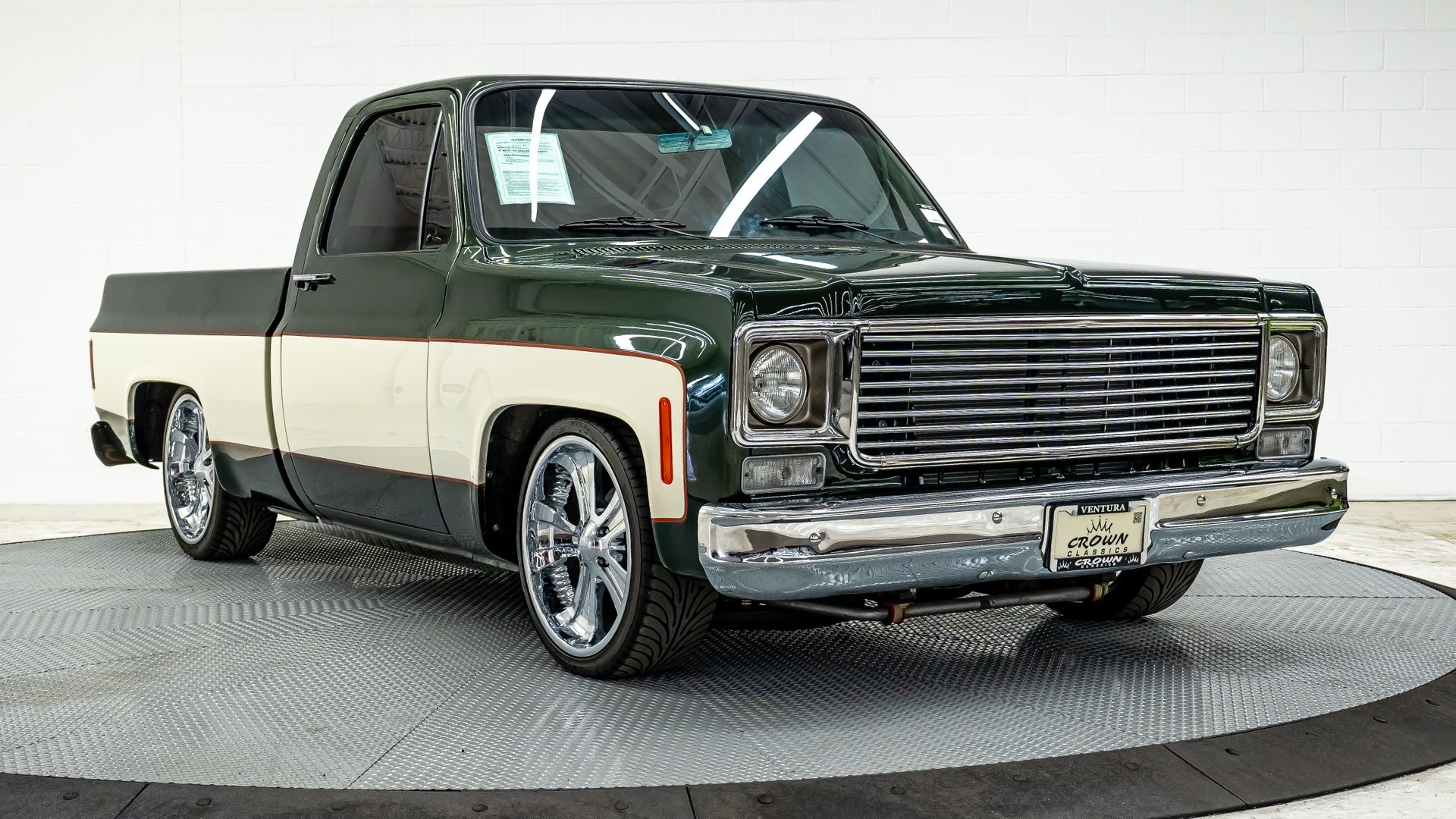
The 1974 Chevy C/K series (C denoting 2-wheel drive, K denoting 4-wheel drive) holds a special place in the hearts of truck enthusiasts. This year falls within the iconic "square body" generation (1973-1987), renowned for its robust construction, straightforward mechanics, and timeless aesthetic. Beyond aesthetics, these trucks offer a practical and relatively simple platform for restoration, customization, or even daily driving. Their availability, coupled with a strong aftermarket parts supply, makes them attractive to both seasoned collectors and first-time classic truck owners.
I. Understanding the 1974 Chevy Pickup Truck Lineup:
Before diving into the search, it's crucial to understand the different models and configurations available in 1974:
- C10/K10 (Half-Ton): The most common and versatile option. Suitable for general hauling, light-duty work, and everyday driving.
- C20/K20 (Three-Quarter Ton): Built for heavier loads and more demanding tasks. Often equipped with more robust suspension and braking systems.
- C30/K30 (One-Ton): The heavy-duty workhorse of the lineup, designed for serious hauling and towing.
- Fleetside vs. Stepside: Fleetside beds feature smooth, integrated sides, while Stepside beds have distinct fenders mounted on the outside of the bed. Fleetsides are generally more common and offer a wider cargo area.
- Cab Configurations:
- Regular Cab: The standard two-door cab configuration.
- Crew Cab (Rare): A four-door cab offering significantly more passenger space. Crew cabs from this era are relatively rare and command a premium.
- Engine Options: A variety of Chevrolet's legendary small-block and big-block engines were available, including:
- 250 Cubic Inch Inline-Six: The base engine, offering adequate power and decent fuel economy.
- 307 Cubic Inch Small-Block V8: A popular choice, providing a good balance of power and reliability.
- 350 Cubic Inch Small-Block V8: The most common V8 option, offering a significant power upgrade.
- 400 Cubic Inch Small-Block V8: A torquey option, well-suited for towing.
- 454 Cubic Inch Big-Block V8: The ultimate power plant, delivering substantial torque and performance.

II. Where to Find 1974 Chevy Pickup Trucks For Sale:
The hunt for your dream '74 Chevy can take you down various avenues:
- Online Marketplaces: Websites like Hemmings, ClassicCars.com, eBay Motors, and Facebook Marketplace are excellent starting points. Filter your searches by year, make, model, and location.
- Classic Car Auctions: Auctions, both online and in-person, can offer a wide selection of classic vehicles, including '74 Chevy pickups. Be prepared for competitive bidding.
- Local Classifieds: Don't overlook local classifieds websites and newspapers. You might stumble upon a hidden gem being sold by a private owner.
- Car Clubs and Enthusiast Forums: Joining online forums and local car clubs can connect you with other enthusiasts who may know of trucks for sale.
- Word of Mouth: Spread the word that you're looking for a '74 Chevy. You never know who might have a lead.
III. Assessing the Condition: What to Look For (and What to Avoid):
Thorough inspection is paramount when evaluating a potential purchase. Here's a checklist of key areas to examine:
- Rust: The arch-nemesis of classic vehicles. Pay close attention to:
- Rocker panels: The area below the doors.
- Cab corners: Where the cab meets the bed.
- Floor pans: Check for rust from the inside and underneath.
- Bed sides and floor: Especially in the wheel wells.
- Frame: Look for structural rust, which can compromise the truck's safety.
- Engine:
- Start the engine and listen for unusual noises: Knocking, ticking, or excessive rattling can indicate serious problems.
- Check for leaks: Oil, coolant, or transmission fluid leaks can be costly to repair.
- Inspect the exhaust: Excessive smoke (especially blue or black) can signal engine issues.
- Check the oil pressure: Low oil pressure can indicate worn engine components.
- Transmission:
- Test drive the truck and pay attention to how smoothly it shifts: Slipping or rough shifting can indicate transmission problems.
- Check the transmission fluid level and condition: Dark, burnt-smelling fluid is a bad sign.
- Brakes:
- Test the brakes for proper stopping power and responsiveness.
- Inspect the brake lines and hoses for leaks or damage.
- Check the condition of the brake pads or shoes.
- Suspension:
- Look for signs of wear or damage to the shocks, springs, and bushings.
- Check for excessive body roll or bouncing during the test drive.
- Interior:
- Assess the condition of the seats, carpets, and dashboard.
- Check the operation of all gauges, lights, and accessories.
- Frame:
- Carefully inspect the frame for signs of rust, damage, or previous repairs.
- Ensure the frame is straight and not bent or twisted.
- Originality:
- Determine the truck's originality. Are the engine, transmission, and other components original to the vehicle? While not always a deal-breaker, originality can affect the truck's value and collectibility.
- Paperwork:
- Verify the VIN (Vehicle Identification Number) and ensure it matches the title.
- Review any available service records or documentation.
IV. Negotiation and Pricing:
Determining a fair price for a 1974 Chevy pickup requires research. Factors influencing price include:
- Condition: Excellent condition trucks will command a premium.
- Model and Configuration: Rare models like crew cabs or those with specific engine options will be more valuable.
- Originality: Highly original trucks are often more desirable to collectors.
- Location: Prices can vary depending on geographic location.
- Market Demand: The overall demand for classic trucks can influence prices.
Use online resources like NADA Guides and Hagerty Valuation Tools to get an idea of the market value. Don't be afraid to negotiate. Point out any flaws or areas needing repair to justify a lower price.
V. Making the Purchase and Title Transfer:
Once you've found the perfect '74 Chevy and agreed on a price, ensure a smooth transaction:
- Secure Financing (if needed): Explore financing options from banks, credit unions, or classic car loan specialists.
- Obtain Insurance: Get insurance coverage before taking possession of the truck.
- Complete the Paperwork: Ensure all necessary paperwork, including the title, bill of sale, and any other required documents, is properly completed.
- Title Transfer: Follow your state's procedures for transferring the title into your name.
VI. Caring for Your 1974 Chevy Pickup:
Owning a classic truck requires ongoing maintenance and care:
- Regular Maintenance: Follow a regular maintenance schedule, including oil changes, filter replacements, and tune-ups.
- Proper Storage: If you're not driving the truck regularly, store it in a dry, protected environment.
- Parts Availability: While parts are generally available, some specific components may be harder to find. Research parts sources and consider stocking up on common maintenance items.
- Join a Community: Connect with other '74 Chevy owners through online forums and local car clubs. Share tips, advice, and experiences.
VII. Customization and Restoration:
One of the joys of owning a '74 Chevy pickup is the potential for customization and restoration. Whether you're aiming for a period-correct restoration or a modern custom build, the possibilities are endless.
- Research and Planning: Before starting any project, thoroughly research your options and create a detailed plan.
- Quality Parts: Invest in high-quality parts to ensure reliability and longevity.
- Professional Assistance: Don't hesitate to seek professional help for tasks you're not comfortable tackling yourself.
Price Table of 1974 Chevy Pickup Trucks For Sale:
| Model | Condition | Engine | Drivetrain | Price Range | Notes |
|---|---|---|---|---|---|
| C10 | Fair | 350 V8 | 2WD | $5,000 - $8,000 | Expect rust and some mechanical issues. Good for a project truck. |
| C10 | Good | 350 V8 | 2WD | $8,000 - $15,000 | Minimal rust, mechanically sound. May need some cosmetic work. |
| C10 | Excellent | 350 V8 | 2WD | $15,000 - $25,000 | Restored or well-maintained original. Minimal to no rust. |
| K10 | Fair | 350 V8 | 4WD | $7,000 - $10,000 | Similar to C10 fair condition, but with 4WD. Expect more wear and tear. |
| K10 | Good | 350 V8 | 4WD | $10,000 - $18,000 | Similar to C10 good condition, but with 4WD. |
| K10 | Excellent | 350 V8 | 4WD | $18,000 - $30,000 | Restored or well-maintained original with 4WD. Commands a premium. |
| C20/K20 | Fair-Excellent | 350/400 V8 | 2WD/4WD | $6,000 - $35,000 | Prices vary greatly depending on condition and engine. C20 tends to be slightly cheaper than K20 in similar condition. |
| C30/K30 | Fair-Excellent | 454 V8 (Often) | 2WD/4WD | $8,000 - $40,000 | Heavily dependent on condition and original purpose (e.g., work truck vs. recreational vehicle). |
VIII. Frequently Asked Questions (FAQ):
- Q: What's the best engine for a 1974 Chevy pickup?
- A: The 350 V8 offers a good balance of power, reliability, and parts availability.
- Q: How can I tell if a truck is a C10 or a K10?
- A: C10 is 2-wheel drive, while K10 is 4-wheel drive. You can also check the VIN.
- Q: What should I do if I find rust on a potential purchase?
- A: Assess the severity of the rust. Minor surface rust can be addressed relatively easily, but structural rust can be costly to repair. Factor the cost of repairs into your offer.
- Q: Are parts readily available for 1974 Chevy pickups?
- A: Yes, parts are generally readily available, thanks to the truck's popularity and large production numbers.
- Q: What's the difference between a Fleetside and Stepside bed?
- A: Fleetside beds have smooth, integrated sides, while Stepside beds have distinct fenders mounted on the outside of the bed.
Conclusion:
Finding a 1974 Chevy Pickup Truck for sale is an exciting endeavor. By understanding the different models, knowing where to look, and meticulously assessing the condition, you can increase your chances of finding the perfect truck to suit your needs and budget. Remember to negotiate fairly, complete the necessary paperwork, and commit to proper maintenance to enjoy your classic Chevy for years to come. Owning a '74 Chevy pickup is more than just owning a vehicle; it's owning a piece of Americana. Happy hunting!
0 comments