Introduction
The 1940s were a transformative decade, marked by wartime innovation and post-war optimism. Pickup trucks of this era are more than just vehicles; they are tangible pieces of history, representing the resilience and ingenuity of a generation. For collectors, enthusiasts, and those simply seeking a unique restoration project, 40s pickup trucks for sale offer a gateway to owning a classic piece of Americana. This guide will delve into the world of these vintage trucks, providing essential information on what to look for, potential challenges, and how to navigate the buying process.
40s Pickup Trucks For Sale: A Collector's Guide to Restoring History
I. The Allure of 40s Pickup Trucks
- Historical Significance: Trucks from the 1940s represent a pivotal period in automotive history. They transitioned from purely utilitarian workhorses to vehicles with increasing comfort and style. Owning one connects you to the past.
- Classic Aesthetics: The bold lines, rounded fenders, and distinctive grilles of 40s pickups are instantly recognizable and undeniably appealing. These trucks exude a charm that modern vehicles simply can't replicate.
- Restoration Potential: While some 40s pickups are restored to their original glory, others are customized with modern components, offering endless possibilities for personalization.
- Investment Value: Well-maintained or expertly restored 40s pickup trucks can appreciate in value, making them a potentially sound investment for collectors.
- Community and Camaraderie: Joining the classic truck community provides access to a wealth of knowledge, support, and shared passion for these vintage vehicles.
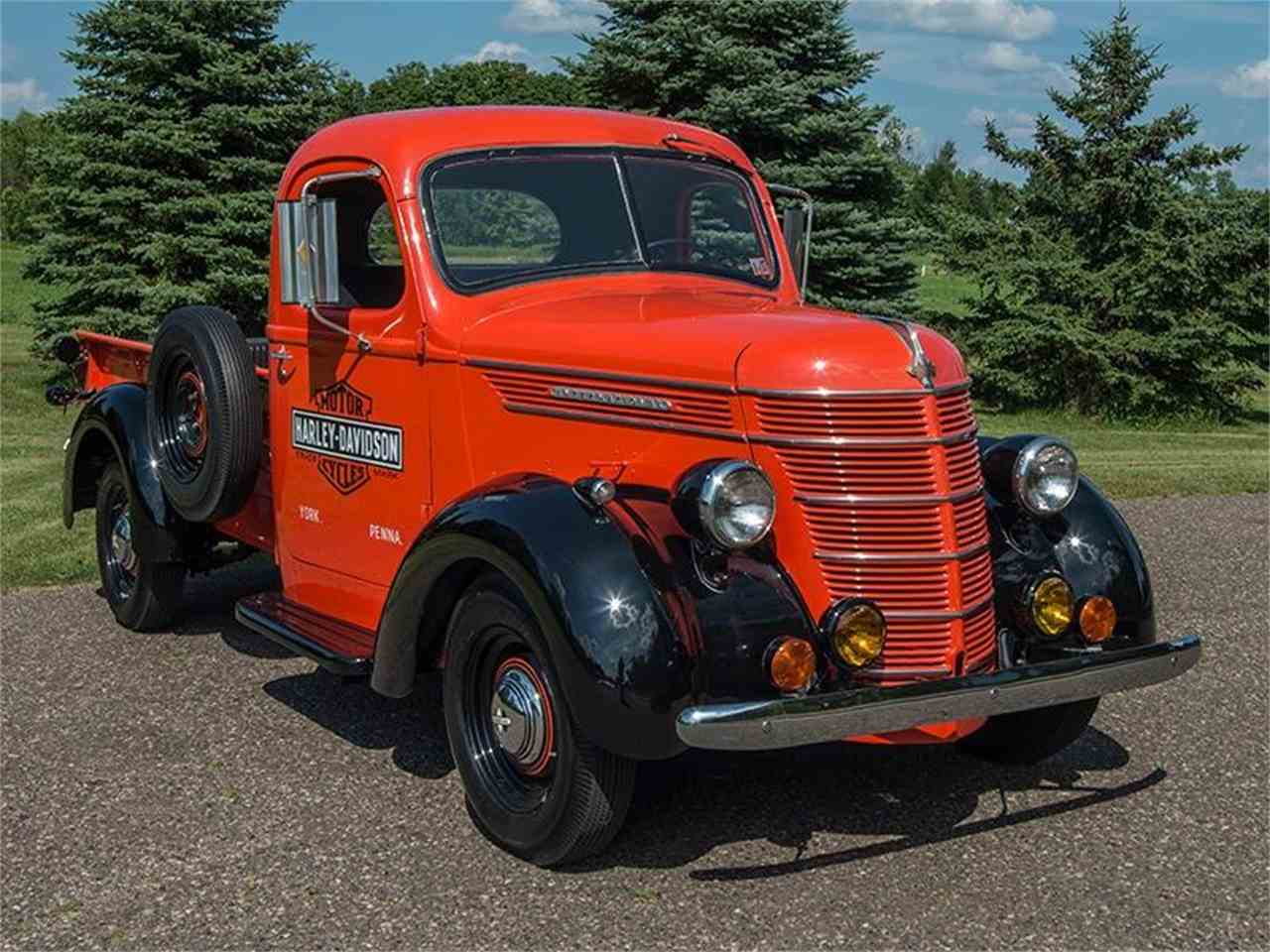
II. Key Models to Look For
- Ford F-Series (1948-1952): The first generation of the iconic F-Series is highly sought after. The 1948-1950 models are particularly desirable for their distinct styling.
- Chevrolet Advance Design (1947-1955): Chevrolet's Advance Design trucks are known for their sleek, modern (for the time) appearance and durable construction.
- Dodge B-Series (1948-1953): Dodge's B-Series trucks offer a unique blend of ruggedness and style, making them a popular choice for restoration projects.
- International Harvester KB Series (1941-1949): These trucks are known for their heavy-duty capabilities and distinctive styling.
- GMC New Design (1947-1954): GMC trucks were mechanically identical to the Chevy trucks, but they had subtle differences in trim and styling, and are just as collectible.

III. What to Look For When Buying
- Originality: Determine the extent to which the truck retains its original components. Originality can significantly impact value, especially for collectors seeking authenticity.
- Rust: Rust is the biggest enemy of vintage vehicles. Thoroughly inspect the frame, body panels, floorboards, and rocker panels for signs of corrosion.
- Mechanical Condition: Assess the engine, transmission, brakes, and other mechanical systems. Consider whether the truck is in running condition or requires extensive repairs.
- Completeness: Check for missing parts, such as trim pieces, badges, and interior components. Sourcing these parts can be challenging and expensive.
- Title and Documentation: Ensure the truck has a clear title and any available documentation, such as original sales receipts or service records.
- Matching Numbers: While not always possible, "matching numbers" (where the engine and chassis numbers correspond to the original build) can increase the truck's value.

IV. Where to Find 40s Pickup Trucks for Sale
- Online Marketplaces: Websites like Hemmings, ClassicCars.com, and eBay Motors are popular platforms for buying and selling classic vehicles.
- Auctions: Classic car auctions, such as those held by Barrett-Jackson and Mecum Auctions, often feature 40s pickup trucks.
- Classic Car Dealers: Specializing in vintage vehicles, these dealers offer a curated selection of 40s pickups and can provide expert advice.
- Local Car Clubs and Shows: Attending local car clubs and shows is a great way to network with other enthusiasts and find potential sellers.
- Word of Mouth: Sometimes, the best deals are found through personal connections. Let friends and family know you're looking for a 40s pickup.
V. The Restoration Process: A Step-by-Step Guide
- Assessment: Thoroughly assess the truck's condition and identify any necessary repairs or replacements.
- Disassembly: Carefully disassemble the truck, labeling and organizing all parts for easy reassembly.
- Bodywork: Repair any rust or damage to the body panels, and prepare the surface for painting.
- Mechanical Overhaul: Rebuild or replace the engine, transmission, brakes, and other mechanical systems.
- Painting: Apply a fresh coat of paint in the original color or a custom shade.
- Interior Restoration: Restore or replace the seats, carpets, and other interior components.
- Reassembly: Carefully reassemble the truck, ensuring all parts are properly installed.
- Testing and Tuning: Test the truck's performance and make any necessary adjustments.
VI. Common Challenges and Solutions
- Finding Parts: Sourcing original or reproduction parts can be challenging and time-consuming.
- Solution: Utilize online resources, attend swap meets, and connect with other enthusiasts for assistance.
- Rust Repair: Extensive rust damage can be difficult and costly to repair.
- Solution: Consider hiring a professional body shop with experience in classic car restoration.
- Mechanical Issues: Rebuilding or replacing vintage mechanical systems can be complex.
- Solution: Consult with a qualified mechanic specializing in classic vehicles.
- Cost Overruns: Restoration projects often exceed initial budget estimates.
- Solution: Create a detailed budget and contingency plan to account for unexpected expenses.
- Time Commitment: Restoration projects can take months or even years to complete.
- Solution: Be patient, realistic, and enjoy the process.
VII. Tips for a Successful Purchase and Restoration
- Do Your Research: Thoroughly research the specific model you're interested in, including its history, specifications, and common issues.
- Inspect Carefully: Don't rush the inspection process. Take your time to thoroughly assess the truck's condition.
- Negotiate Wisely: Be prepared to negotiate the price, but be respectful of the seller's asking price.
- Build a Network: Connect with other enthusiasts, mechanics, and restoration specialists for support and advice.
- Document Everything: Keep detailed records of all expenses, repairs, and modifications.
- Enjoy the Journey: Restoring a 40s pickup truck is a rewarding experience. Enjoy the process and celebrate your accomplishments along the way.
VIII. Pricing Guide
| Model | Condition | Price Range | Notes |
|---|---|---|---|
| Ford F-1 (1948-1950) | Project | $5,000 - $15,000 | Significant rust or missing parts. Requires extensive restoration. |
| Ford F-1 (1948-1950) | Driver Quality | $20,000 - $40,000 | Running and presentable, but may have some cosmetic or mechanical imperfections. |
| Ford F-1 (1948-1950) | Restored | $45,000 - $75,000+ | Fully restored to original or near-original condition. |
| Chevrolet 3100 (1947-1955) | Project | $4,000 - $12,000 | Similar to Ford F-1 project trucks. |
| Chevrolet 3100 (1947-1955) | Driver Quality | $18,000 - $35,000 | Same as Ford F-1 Driver. |
| Chevrolet 3100 (1947-1955) | Restored | $40,000 - $70,000+ | Same as Ford F-1 Restored. |
| Dodge B-Series (1948-1953) | Project | $3,000 - $10,000 | Can sometimes be found cheaper than Ford/Chevy. |
| Dodge B-Series (1948-1953) | Driver Quality | $15,000 - $30,000 | Value depends on rust repair and the level of quality of the repairs. |
| Dodge B-Series (1948-1953) | Restored | $35,000 - $60,000+ | Slightly less valuable than Ford/Chevy, but just as cool! |
| International KB Series (1941-1949) | Project | $2,000 - $8,000 | Harder to find and parts are even more difficult. |
| International KB Series (1941-1949) | Driver Quality | $12,000 - $25,000 | Unique Styling and a big truck feel. |
| International KB Series (1941-1949) | Restored | $30,000 - $50,000+ | These trucks are for the serious collector who wants something different. |
Note: These prices are estimates and can vary based on specific condition, location, and market demand.
IX. Frequently Asked Questions (FAQ)
- Q: What is the most desirable 40s pickup truck?
- A: The Ford F-Series (1948-1952) and Chevrolet Advance Design (1947-1955) are generally considered the most desirable due to their iconic styling and availability of parts.
- Q: How much does it cost to restore a 40s pickup truck?
- A: Restoration costs can vary widely, ranging from $10,000 to $50,000 or more, depending on the truck's condition and the extent of the restoration.
- Q: Where can I find parts for my 40s pickup truck?
- A: Online retailers, classic car parts suppliers, swap meets, and other enthusiasts are good sources for parts.
- Q: Is it better to buy a restored or unrestored 40s pickup truck?
- A: This depends on your budget, skills, and preferences. A restored truck offers immediate gratification, while an unrestored truck provides the opportunity for customization and a deeper connection to the vehicle.
- Q: What are some common issues with 40s pickup trucks?
- A: Common issues include rust, mechanical problems, and difficulty finding parts.
- Q: Should I convert my 40s pickup to disc brakes?
- A: While drum brakes were original, disc brakes offer improved stopping power and safety. It's a popular upgrade, but consider the impact on originality.
- Q: Is it worth investing in a 40s pickup truck?
- A: If you're passionate about classic vehicles and enjoy the restoration process, a 40s pickup can be a rewarding investment, both financially and personally.
Conclusion
Owning a 40s pickup truck is more than just owning a vehicle; it's owning a piece of history. These trucks represent a bygone era of hard work, ingenuity, and timeless style. Whether you're a seasoned collector or a novice enthusiast, the world of 40s pickup trucks offers a unique and rewarding experience. By understanding the key models, what to look for, and the challenges involved, you can embark on a journey of restoration and preservation, ensuring that these classic trucks continue to grace our roads for generations to come. Happy hunting!
0 comments