Introduction: The Enduring Appeal of Classic Ford Trucks
Antique Ford pickup trucks represent more than just vintage vehicles; they are rolling testaments to American ingenuity, hard work, and a bygone era of automotive design. For decades, these trucks have been the backbone of farms, construction sites, and small businesses, embodying reliability and ruggedness. Today, they are highly sought-after by collectors, restorers, and enthusiasts who appreciate their historical significance, timeless style, and the unique driving experience they offer. Whether you're a seasoned collector or a first-time buyer, navigating the world of antique Ford pickup trucks for sale can be both exciting and challenging. This comprehensive guide will provide you with the knowledge and resources necessary to find the perfect classic Ford truck to fulfill your dreams, whether it's a meticulously restored showpiece or a project vehicle ripe with potential.
Antique Ford Pickup Trucks For Sale: A Comprehensive Guide to Finding Your Classic Hauler
I. Defining "Antique": Understanding the Landscape
The term "antique" can be subjective. Generally, a vehicle is considered an antique if it is at least 45 years old. However, for practical purposes in the collector car world, we'll focus on Ford pickup trucks produced up to the late 1970s. This encompasses several iconic generations, each with its distinct characteristics and appeal. Key models include:
- Early Fords (1917-1931): The Model T and Model A pickups, representing the dawn of the Ford truck era. These are rare and highly collectible.
- 1932-1947: The "Deuce" (1932) and subsequent models, featuring streamlined designs and the introduction of the flathead V8 engine, a game-changer for truck performance.
- 1948-1952 (F-Series First Generation): The "Bonus-Built" trucks, marking the introduction of the F-Series, which would become a staple of American roads. These are known for their distinctive styling and robust construction.
- 1953-1956 (F-Series Second Generation): Featuring a redesigned grille and a more modern appearance, these trucks are popular for restoration and customization.
- 1957-1960 (F-Series Third Generation): Notable for the introduction of the Styleside bed, offering a more integrated look compared to the earlier step-side designs.
- 1961-1966 (F-Series Fourth Generation): A significant redesign with a unibody construction option (though short-lived) and a focus on comfort and convenience.
- 1967-1972 (F-Series Fifth Generation): A popular generation known for its rugged styling and wide range of engine options.
- 1973-1979 (F-Series Sixth Generation): The "Dentside" trucks, characterized by their distinctive side body line and a focus on practicality and durability.
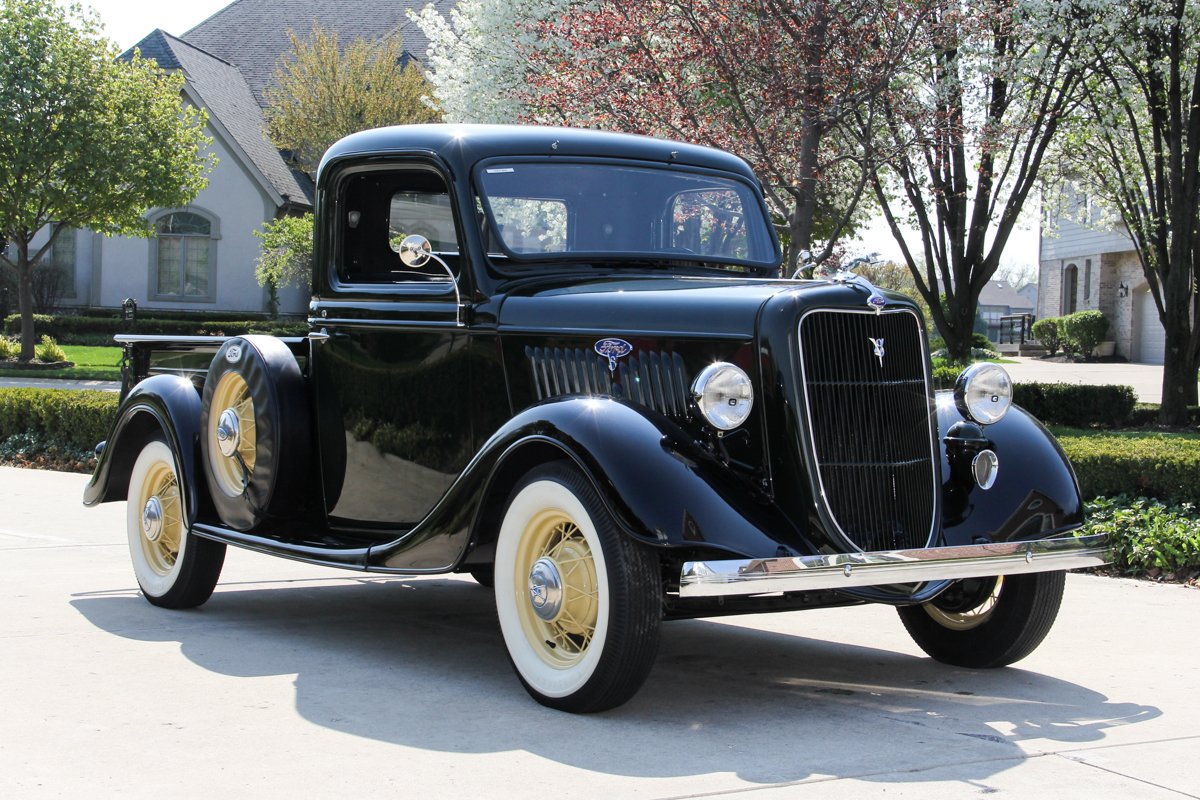
II. Where to Find Antique Ford Pickup Trucks for Sale

The search for your dream antique Ford pickup can take you down various avenues. Here are some of the most common and effective places to look:
- Online Marketplaces: Websites like Hemmings, ClassicCars.com, eBay Motors, and Bring a Trailer specialize in classic and vintage vehicles. They offer a wide selection, detailed listings, and often, buyer protection measures. Be sure to carefully vet the seller and the vehicle's history.
- Auction Houses: Reputable auction houses like Barrett-Jackson, Mecum, and RM Sotheby's regularly feature antique Ford trucks. Auctions can be exciting, but thorough pre-auction inspections are crucial.
- Classic Car Dealers: Dealers specializing in classic and vintage cars can provide expertise, inspection services, and financing options. They often have a curated selection of high-quality vehicles.
- Local Car Clubs and Shows: Attending local car shows and joining Ford truck clubs can connect you with owners who may be considering selling their vehicles. This can be a great way to find hidden gems and build relationships with knowledgeable enthusiasts.
- Word of Mouth: Networking with friends, family, and fellow car enthusiasts can lead to unexpected opportunities. Sometimes, the best deals are found through personal connections.
- Estate Sales and Auctions: Keep an eye out for estate sales and auctions in rural areas, as these can sometimes yield undiscovered classic trucks.
III. Assessing the Condition: What to Look For
Before making an offer, a thorough inspection is essential. If you're not an expert, consider hiring a qualified mechanic or appraiser specializing in vintage vehicles. Here's what to examine:
- Body: Check for rust, dents, and signs of previous repairs. Pay close attention to areas prone to rust, such as the fenders, rocker panels, cab corners, and bed floor. Look for mismatched paint or body panels, which could indicate accident damage.
- Frame: The frame is the backbone of the truck. Inspect it for rust, cracks, and signs of welding or repair. A damaged frame can be costly to repair and compromise the truck's safety.
- Engine: Listen for unusual noises, check for leaks, and verify the engine's originality. A compression test can provide valuable insights into the engine's health. If possible, have a mechanic perform a leak-down test to assess cylinder sealing.
- Transmission: Test the transmission for smooth shifting and proper engagement. Check for leaks and unusual noises.
- Interior: Examine the seats, carpets, headliner, and dashboard for wear and tear. Original or well-preserved interiors can significantly increase a truck's value.
- Electrical System: Test all lights, gauges, and accessories. Wiring issues can be common in older vehicles.
- Originality: Determine the level of originality. Original or numbers-matching trucks generally command higher prices. Documentation, such as original invoices, build sheets, and owner's manuals, can add value.
- Title and Paperwork: Ensure the title is clear and matches the vehicle's VIN. Research the truck's history to verify its authenticity and identify any potential issues.
IV. Restoration vs. Originality: Defining Your Goals
When buying an antique Ford pickup, you'll need to decide whether you prefer a restored vehicle or one that retains its original patina.
- Restored: A restored truck has been brought back to its original condition, often with new or refurbished parts. Restorations can be concours-quality (perfectly replicating the original factory specifications) or driver-quality (focused on usability and enjoyment).
- Original: An original truck retains its original paint, interior, and mechanical components (as much as possible). These trucks often display signs of wear and tear, but their originality can be highly valued by collectors.
- Modified/Customized: Some buyers prefer trucks that have been modified or customized to suit their tastes. Modifications can range from mild cosmetic changes to extensive mechanical upgrades.
The choice depends on your preferences and budget. Restored trucks typically command higher prices, but they offer a turn-key experience. Original trucks offer a unique connection to the past, but they may require more maintenance and repairs. Modified trucks can be a great way to personalize your classic, but they may not appeal to purists.
V. Negotiating the Price: Tips for Getting a Fair Deal
Negotiating the price of an antique Ford pickup requires research, patience, and a clear understanding of the market.
- Research Market Values: Use online resources, auction results, and price guides to determine the fair market value of similar trucks.
- Highlight Deficiencies: Point out any flaws or issues you discovered during the inspection. Use these deficiencies as leverage to negotiate a lower price.
- Be Prepared to Walk Away: Don't be afraid to walk away if the seller is unwilling to negotiate reasonably. There are plenty of other antique Ford trucks out there.
- Consider Financing and Insurance: Research financing options and insurance rates before making an offer. Antique car insurance policies often offer specialized coverage and lower premiums.
- Get a Pre-Purchase Inspection: If possible, have a qualified mechanic perform a pre-purchase inspection before finalizing the deal. This can help you identify any hidden issues and negotiate a fair price.
VI. Maintaining Your Antique Ford Pickup: Keeping It on the Road
Owning an antique Ford pickup requires ongoing maintenance and care to keep it running smoothly.
- Regular Servicing: Follow a regular maintenance schedule, including oil changes, tune-ups, and lubrication.
- Parts Availability: Research the availability of parts for your specific model. Some parts may be difficult to find and require specialized sourcing.
- Storage: Store your truck in a dry, protected environment to prevent rust and deterioration.
- Driving Habits: Drive your truck responsibly and avoid harsh conditions.
- Join a Car Club: Joining a local or national Ford truck club can provide valuable resources, technical support, and camaraderie.
VII. Potential Challenges and Solutions
- Rust: Rust is the biggest enemy of antique vehicles. Regular inspections, proper storage, and rust prevention treatments can help mitigate rust damage.
- Parts Availability: Finding replacement parts can be challenging. Online forums, specialized parts suppliers, and swap meets are valuable resources.
- Mechanical Issues: Older vehicles are prone to mechanical issues. Regular maintenance, preventative repairs, and a qualified mechanic can help keep your truck running smoothly.
- Cost of Ownership: Owning an antique vehicle can be expensive. Factor in the cost of maintenance, repairs, insurance, and storage.
VIII. A Price Guide for Antique Ford Pickup Trucks
| Model | Year(s) | Condition (Fair) | Condition (Good) | Condition (Excellent) | Notes |
|---|---|---|---|---|---|
| Model T Pickup | 1917-27 | $8,000 | $15,000 | $30,000 | Rare and highly sought-after. |
| Model A Pickup | 1928-31 | $10,000 | $20,000 | $40,000 | Equally rare and desirable. |
| 1932 Ford Pickup ("Deuce") | 1932 | $25,000 | $45,000 | $80,000+ | Iconic design; highly collectible. |
| 1948-1952 F-Series (Bonus Built) | 1948-52 | $12,000 | $25,000 | $45,000 | The first F-Series generation. |
| 1953-1956 F-Series | 1953-56 | $10,000 | $20,000 | $40,000 | Popular for restoration and customization. |
| 1957-1960 F-Series | 1957-60 | $8,000 | $18,000 | $35,000 | Styleside bed introduced. |
| 1961-1966 F-Series | 1961-66 | $6,000 | $15,000 | $30,000 | Unibody option available. |
| 1967-1972 F-Series | 1967-72 | $5,000 | $12,000 | $25,000 | A very popular generation. |
| 1973-1979 F-Series ("Dentside") | 1973-79 | $4,000 | $10,000 | $20,000 | Affordable and readily available. |
Note: Prices are estimates and can vary based on specific condition, originality, and location.
Conclusion: A Rewarding Journey
Buying an antique Ford pickup truck is an investment in history, style, and a unique driving experience. While the process can be complex, with careful research, thorough inspection, and a passion for classic vehicles, you can find the perfect truck to enjoy for years to come. Embrace the journey, connect with fellow enthusiasts, and savor the satisfaction of owning a piece of American automotive history.
Frequently Asked Questions (FAQ)
-
Q: What is the best year for a classic Ford pickup?
- A: This is subjective and depends on your preferences. The 1956 F-100 and the 1967-1972 F-Series are particularly popular.
-
Q: How can I tell if an antique Ford truck is original?
- A: Check the VIN, engine codes, and other markings to verify originality. Consult with experts and use online resources to compare the truck to original specifications.
-
Q: Where can I find parts for my antique Ford truck?
- A: Online parts suppliers, classic car dealerships, swap meets, and online forums are all good sources.
-
Q: How much does it cost to restore an antique Ford truck?
- A: Restoration costs can vary widely depending on the truck's condition and the level of restoration. Expect to spend anywhere from $10,000 to $50,000 or more.
-
Q: What is the best way to store an antique Ford truck?
- A: Store it in a dry, protected environment to prevent rust and deterioration. Use a car cover to protect the paint.
-
Q: Should I buy a restored or unrestored antique Ford truck?
- A: This depends on your budget and preferences. Restored trucks are ready to enjoy, while unrestored trucks offer a project opportunity.
0 comments