The 1950s were a golden era for American automobiles, and pickup trucks were no exception. These workhorses, often sporting swooping lines, chrome accents, and powerful (for the time) engines, represent a bygone era of simplicity, durability, and iconic design. The allure of owning a classic 50s pickup truck is strong, offering a tangible connection to automotive history and a unique statement on the road. But finding the right one for sale can be a journey in itself. This article serves as your comprehensive guide to navigating the world of 1950s pickup trucks for sale, from understanding the market and evaluating potential purchases to navigating the restoration process and beyond.
Why the Fascination with 50s Pickup Trucks?
Chasing Chrome and Horsepower: A Guide to Finding Your Dream 1950s Pickup Truck
The 1950s represented a period of economic prosperity and optimism in America. This translated into bolder designs and a focus on both functionality and aesthetics in vehicle production. Pickup trucks, traditionally utilitarian, started to incorporate styling cues from passenger cars, leading to the iconic designs we cherish today. The robust construction and relatively simple mechanicals of these trucks also contribute to their appeal, making them easier to maintain and restore compared to more modern vehicles. Beyond the practical, owning a 50s pickup is a statement. It's a connection to a simpler time, a symbol of American ingenuity, and a head-turning conversation starter.
Exploring the Landscape: Popular 1950s Pickup Truck Models
Before diving into the search, it's helpful to familiarize yourself with some of the most popular and sought-after models from the decade:
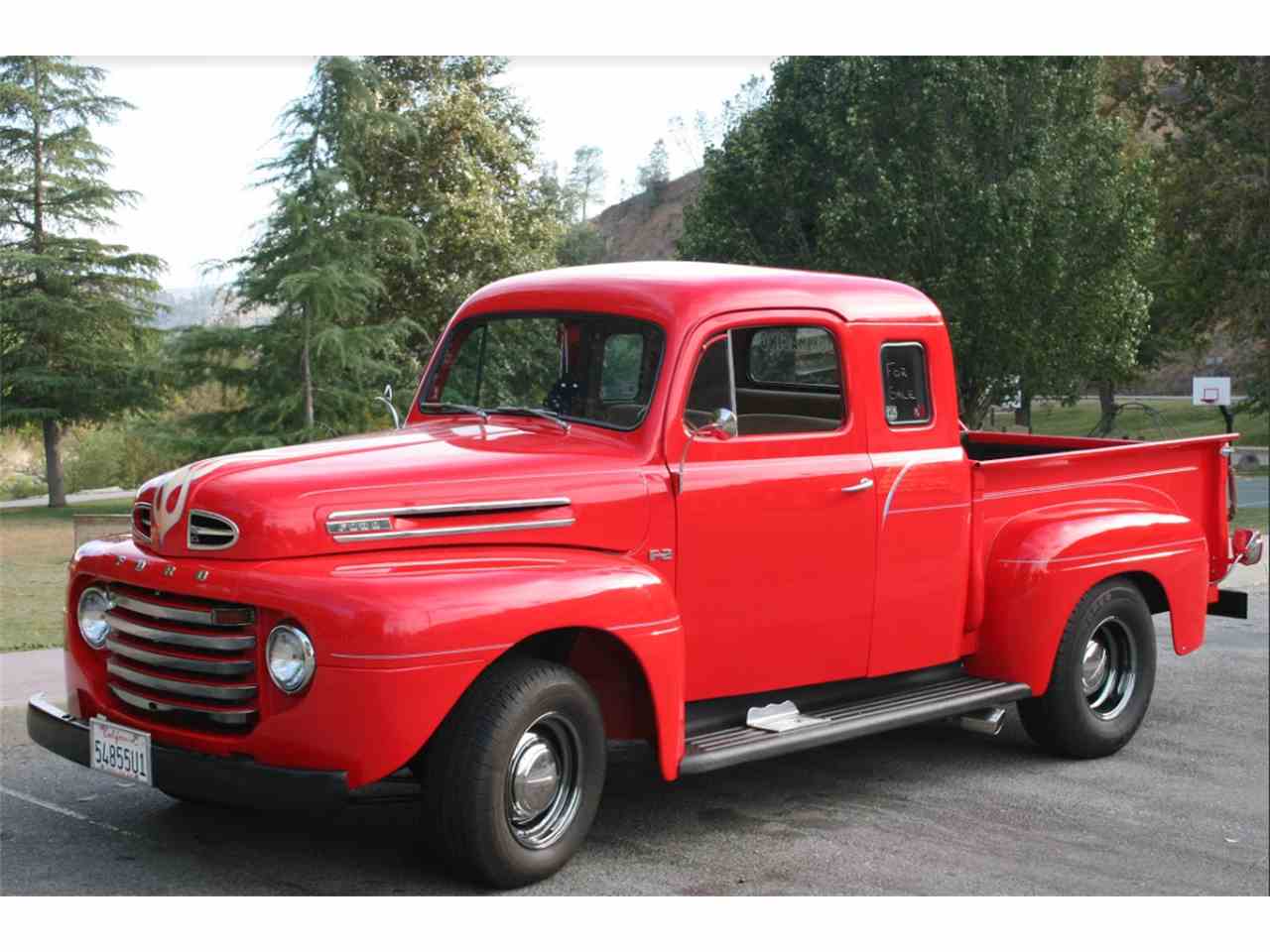
- Chevrolet 3100 Series (1947-1955 First Series): Commonly known as the "Advance Design" trucks, these are arguably the most iconic and widely recognized 50s pickups. Their rounded fenders, split windshield, and distinctive five-bar grille make them instantly recognizable.
- Chevrolet Task Force Series (1955 Second Series - 1959): Replacing the Advance Design, the Task Force trucks featured a more modern, streamlined design with wraparound windshields and integrated fenders. They were available in various trim levels, offering different levels of comfort and luxury.
- Ford F-100 Series (1953-1956): Ford's answer to the Chevy 3100, the F-100 boasted a rugged design and a reputation for reliability. The 1956 model is particularly desirable due to its distinctive wraparound windshield and larger cab.
- Ford F-Series (1957-1960): The 1957-1960 F-Series trucks represent a significant design departure for Ford, with a more angular and modern appearance. These trucks are known for their strong engines and durable construction.
- Dodge C Series (1954-1960): Often overlooked, the Dodge C Series trucks offer a unique and distinctive alternative to the more common Chevy and Ford models. They feature a distinctive "pilot-house" cab design and were known for their robust engines.
- GMC Trucks (Various): GMC offered its own versions of the Chevrolet trucks, often with slightly different styling and features. These are also worth considering, especially if you're looking for something a little less common.
Finding Your Dream Truck: Where to Look
The hunt for a 50s pickup can be exciting, but it requires patience and diligence. Here are some of the best places to search:
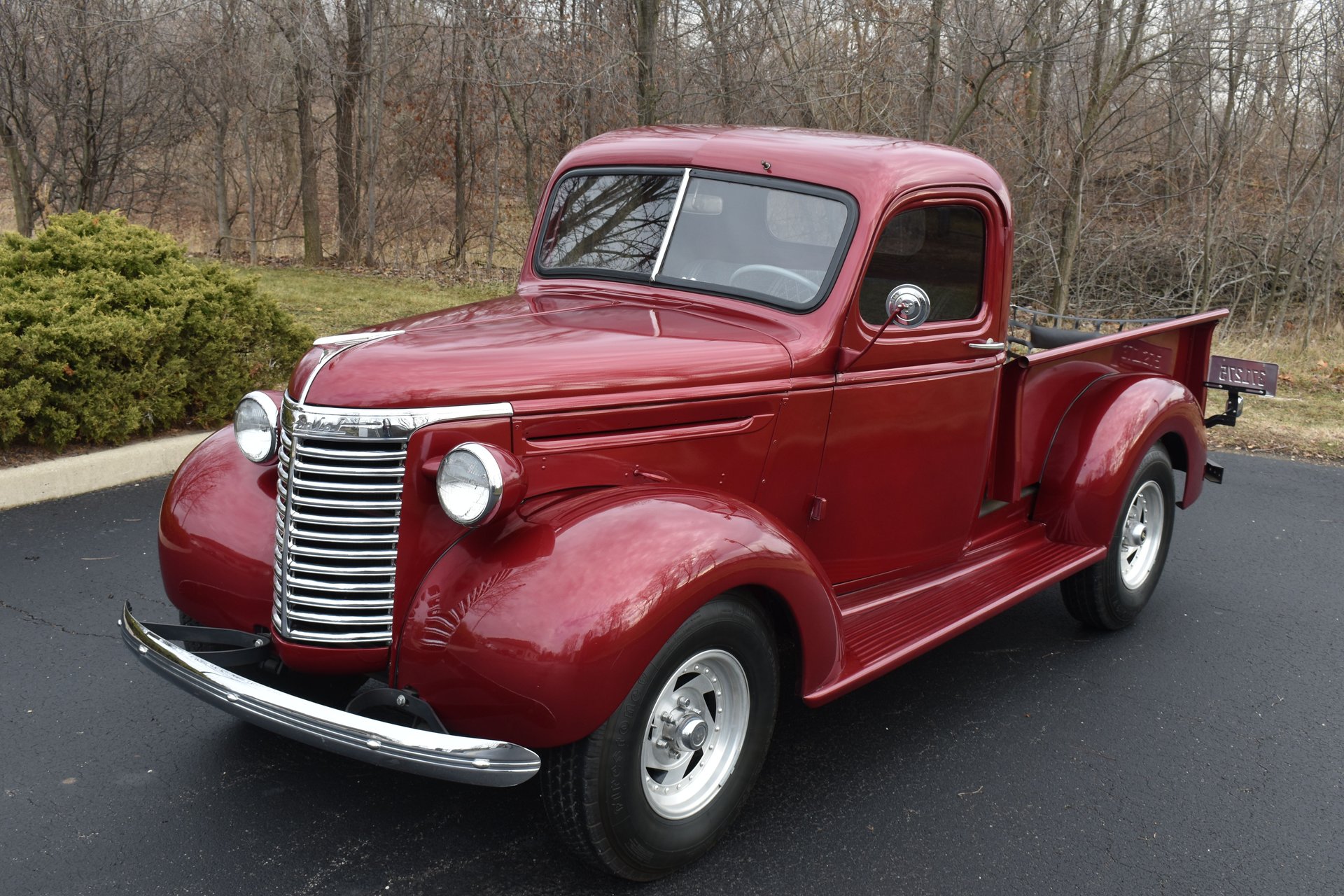
- Online Marketplaces: Websites like Hemmings, ClassicCars.com, eBay Motors, and Bring a Trailer are excellent resources for finding classic trucks. These platforms offer a wide selection of vehicles from private sellers and dealers, with detailed descriptions and photos.
- Classic Car Dealers: Many dealers specialize in classic and vintage vehicles. They often have a curated selection of 50s pickups and can provide valuable expertise and guidance.
- Local Car Clubs and Shows: Attending local car shows and joining classic car clubs can be a great way to connect with enthusiasts and learn about potential leads on trucks for sale.
- Auctions: Classic car auctions can be a thrilling way to acquire a 50s pickup, but it's important to do your research and set a budget beforehand.
- Word of Mouth: Don't underestimate the power of word of mouth. Let your friends, family, and colleagues know you're looking for a 50s pickup. You never know who might have a lead.

Evaluating a Potential Purchase: The Inspection Checklist
Once you've found a truck that interests you, it's crucial to conduct a thorough inspection. Here's a checklist to guide you:
- Body Condition:
- Rust: Check for rust in common areas like the lower fenders, rocker panels, cab corners, bed floor, and around the windshield and rear window.
- Dents and Scratches: Assess the overall condition of the body panels. Minor imperfections are expected on a vehicle of this age, but significant damage could indicate more serious issues.
- Paint Quality: Evaluate the paint job. Is it original or a repaint? If it's a repaint, look for signs of poor preparation or application.
- Panel Alignment: Check the alignment of the doors, hood, and bed. Gaps or misalignments can indicate previous accidents or poor repairs.
- Engine and Mechanicals:
- Engine Start and Idle: Observe how easily the engine starts and how smoothly it idles. Listen for any unusual noises.
- Fluid Leaks: Check for leaks under the engine, transmission, and differential.
- Brakes: Test the brakes thoroughly. Ensure they are responsive and stop the truck safely.
- Suspension: Inspect the suspension components for wear and tear. Look for broken springs, worn bushings, and leaking shocks.
- Transmission: Test the transmission through all gears. Ensure it shifts smoothly and doesn't slip.
- Interior:
- Upholstery: Inspect the seats, headliner, and door panels for tears, rips, and stains.
- Gauges: Check that all gauges are functioning properly.
- Wiring: Inspect the wiring for damage or corrosion.
- Glass: Look for cracks or chips in the windshield and windows.
- Frame:
- Rust and Damage: The frame is the backbone of the truck. Thoroughly inspect it for rust, cracks, or signs of previous repairs.
- Paperwork:
- Ensure the seller has a clear title to the vehicle.
- Service Records: If available, review any service records to get an idea of the truck's maintenance history.
Negotiating the Price: Knowing Your Value
Determining the fair market value of a 50s pickup can be challenging. Several factors influence the price, including:
- Model and Year: Certain models and years are more desirable than others.
- Condition: The condition of the truck is the most significant factor affecting its value.
- Originality: Original, unrestored trucks are often highly valued by collectors.
- Rarity: Rare or limited-production models command higher prices.
- Location: Prices can vary depending on the region.
Researching recent sales of similar trucks is essential. Use online resources like Hemmings and ClassicCars.com to get an idea of current market values. Be prepared to negotiate with the seller and be willing to walk away if the price isn't right.
Restoration Considerations: Bringing a Classic Back to Life
Many 50s pickups for sale are in need of restoration. Before embarking on a restoration project, consider the following:
- Budget: Restoration can be expensive. Create a realistic budget and stick to it.
- Time Commitment: Restoration can take a significant amount of time. Be prepared to dedicate weekends and evenings to the project.
- Skills and Resources: Assess your skills and resources. Do you have the necessary tools and equipment? Do you need to hire professionals for certain tasks?
- Parts Availability: Research the availability of parts for your specific model. Some parts may be difficult or expensive to find.
- Goals: Determine your goals for the restoration. Are you aiming for a concours-quality restoration or a driver-quality restoration?
Potential Challenges and Solutions
- Rust: Rust is a common problem with 50s pickups. Solutions include rust repair panels, media blasting, and rust inhibitors.
- Parts Availability: Some parts may be difficult to find. Solutions include online parts suppliers, salvage yards, and reproduction parts.
- Mechanical Issues: Older trucks often have mechanical issues. Solutions include rebuilding or replacing worn components.
- Cost: Restoration can be expensive. Solutions include prioritizing repairs, doing some of the work yourself, and sourcing used parts.
Price Table of 50s Pickup Trucks For Sale
| Model | Year | Condition | Estimated Price Range | Notes |
|---|---|---|---|---|
| Chevrolet 3100 Series | 1950-1955 | Fair | $15,000 - $25,000 | Rust common, mechanical work likely needed. |
| Chevrolet 3100 Series | 1950-1955 | Good | $25,000 - $45,000 | Running and driving, some cosmetic imperfections. |
| Chevrolet 3100 Series | 1950-1955 | Restored | $45,000 - $75,000+ | Show-quality restoration, original or period-correct parts. |
| Chevrolet Task Force Series | 1955-1959 | Fair | $18,000 - $30,000 | Similar to 3100, slightly more modern styling. |
| Chevrolet Task Force Series | 1955-1959 | Good | $30,000 - $50,000 | Better condition than "Fair," often with updated mechanicals. |
| Chevrolet Task Force Series | 1955-1959 | Restored | $50,000 - $80,000+ | High-quality restoration, often with upgrades. |
| Ford F-100 Series | 1953-1956 | Fair | $16,000 - $28,000 | Potential rust, mechanical issues. |
| Ford F-100 Series | 1953-1956 | Good | $28,000 - $48,000 | Decent condition, may need some work. |
| Ford F-100 Series | 1953-1956 | Restored | $48,000 - $78,000+ | Top-notch restoration, likely with modifications. |
| Dodge C Series | 1954-1960 | Fair | $12,000 - $22,000 | Often more affordable, unique styling. |
| Dodge C Series | 1954-1960 | Good | $22,000 - $40,000 | Good driver, may need cosmetic work. |
| Dodge C Series | 1954-1960 | Restored | $40,000 - $65,000+ | Restored to a high standard. |
Note: These prices are estimates and can vary depending on specific factors. Always do your research and inspect the vehicle thoroughly before making a purchase.
Frequently Asked Questions (FAQ)
- Q: What is the best 50s pickup truck to buy?
- A: It depends on your preferences and budget. The Chevy 3100 and Ford F-100 are popular choices, but the Dodge C Series offers a unique alternative.
- Q: How much does it cost to restore a 50s pickup truck?
- A: Restoration costs can vary widely, from $10,000 to $50,000 or more, depending on the condition of the truck and the level of restoration.
- Q: Where can I find parts for a 50s pickup truck?
- A: Many online retailers specialize in classic truck parts. You can also find parts at salvage yards and classic car shows.
- Q: Is it worth buying a 50s pickup truck that needs restoration?
- A: It depends on your goals and skills. Restoration can be a rewarding experience, but it's important to be realistic about the time and cost involved.
- Q: What are some common problems with 50s pickup trucks?
- A: Common problems include rust, mechanical issues, and electrical problems.
Conclusion: Embrace the Journey
Finding and owning a 1950s pickup truck is more than just acquiring a vehicle; it's about embracing a piece of automotive history. The journey can be challenging, but the reward of owning a classic truck that reflects your style and passion is well worth the effort. Do your research, inspect carefully, and be prepared to negotiate. With patience and diligence, you can find the perfect 50s pickup truck to cruise down memory lane. Happy hunting!
0 comments