Introduction: The Enduring Appeal of Classic American Pickups
Classic American pickup trucks are more than just vintage vehicles; they're rolling testaments to American ingenuity, hard work, and a bygone era of simpler designs and robust engineering. The rumble of a V8 engine, the straightforward styling, and the sheer utility of these trucks evoke a sense of nostalgia and a connection to the open road. For many, owning a classic pickup isn't just about transportation; it's about owning a piece of history, a conversation starter, and a reliable workhorse that can still turn heads on Main Street. This article serves as a comprehensive guide for anyone considering purchasing a classic American pickup truck, navigating the complexities of the market, and making an informed decision that aligns with their needs and aspirations. Whether you're a seasoned collector, a weekend enthusiast, or simply someone looking for a unique and capable vehicle, understanding the nuances of the classic pickup truck market is crucial.
Classic American Pickup Trucks For Sale: A Buyer's Guide to Nostalgia and Power
Section 1: Defining "Classic" and Identifying Iconic Models
The term "classic" is subjective, but in the context of pickup trucks, it generally refers to models produced from the pre-war era (1930s) up to the late 1980s. While the exact cutoff date is debatable, many enthusiasts consider the introduction of fuel injection and advanced computer controls to be the end of the "classic" era. Within this broad timeframe, several models stand out as particularly iconic and desirable:
- Ford F-Series (1948-1979): From the iconic "Bonus-Built" F-1 of the late 1940s to the rugged and versatile F-100 of the 1960s and 1970s, the Ford F-Series is arguably the most popular classic pickup truck in America. Its widespread availability and relatively simple mechanics make it a good choice for beginners.
- Chevrolet/GMC C/K Series (1960-1972): Known for their sleek "Action Line" styling, these trucks are highly sought after for their aesthetics and performance. The C10 (2-wheel drive) and K10 (4-wheel drive) models are particularly popular. The subsequent "Squarebody" generation (1973-1987) also enjoys a strong following.
- Dodge D-Series (1961-1971): While not as ubiquitous as Ford and Chevy, the Dodge D-Series offers a unique and often more affordable alternative. Their distinctive styling and robust construction make them appealing to those seeking something different.
- International Harvester Pickup (1961-1975): These trucks were known for their ruggedness and utilitarian design. They are less common than the Big Three brands, but they have a dedicated following among those who appreciate their unique character.
- Early Jeep Pickups (Willys-Overland, Kaiser Jeep, AMC): The early Jeep pickups, such as the Willys-Overland trucks of the 1940s and 1950s and the Kaiser Jeep Gladiator/J-Series of the 1960s and 1970s, offer a unique blend of off-road capability and classic styling.

Section 2: Where to Find Classic Pickup Trucks For Sale
The search for a classic pickup can be an adventure in itself. Here are some of the most common places to find them:
- Online Marketplaces: Websites like Craigslist, eBay Motors, Hemmings Motor News, and ClassicCars.com are excellent resources for browsing a wide variety of trucks from different sellers and locations.
- Classic Car Auctions: Auctions like Barrett-Jackson, Mecum, and RM Sotheby's often feature high-end and meticulously restored classic pickups. These auctions can be a great place to see a wide variety of trucks in one place, but be prepared to pay a premium.
- Local Car Clubs and Shows: Attending local car shows and joining classic car clubs can connect you with other enthusiasts who may be selling their trucks or know of available vehicles.
- Private Sellers: Word-of-mouth referrals and connections within the classic car community can lead you to private sellers who may be offering trucks that are not publicly advertised.
- Specialty Dealers: Some dealerships specialize in buying and selling classic cars, including pickup trucks. These dealers often offer a higher level of service and expertise but may charge a higher price.

Section 3: Evaluating Condition: What to Look For
Assessing the condition of a classic pickup is crucial to avoid costly surprises down the road. Here's a checklist of key areas to inspect:
- Rust: This is the biggest enemy of classic vehicles. Pay close attention to the rocker panels, cab corners, floorboards, bed, and frame. Look for signs of rust repair, which may indicate underlying problems.
- Bodywork: Check for dents, dings, and mismatched paint, which can indicate past accidents or poor repairs. Inspect the panel gaps for consistency, as uneven gaps can suggest body damage.
- Engine and Transmission: Listen for unusual noises, check for leaks, and ensure that the engine starts easily and runs smoothly. Test the transmission for proper shifting and smooth engagement.
- Suspension and Brakes: Inspect the suspension components for wear and tear, and check the brakes for proper function and responsiveness.
- Interior: Assess the condition of the seats, dashboard, door panels, and headliner. Look for tears, cracks, and fading.
- Electrical System: Test all lights, gauges, and accessories to ensure they are functioning correctly.
- Documentation: Ask for any available documentation, such as original sales receipts, maintenance records, and owner's manuals.
Section 4: Understanding Restoration and Modification
When considering a classic pickup, it's important to understand the difference between a restored vehicle and one that has been modified.
- Restoration: A restoration aims to bring the vehicle back to its original condition, using original parts or high-quality reproductions. Restored trucks are often more valuable to collectors.
- Modification: Modifications involve altering the vehicle from its original specifications, such as installing a modern engine, upgrading the suspension, or customizing the interior. Modified trucks can offer improved performance and comfort, but they may be less desirable to purists.
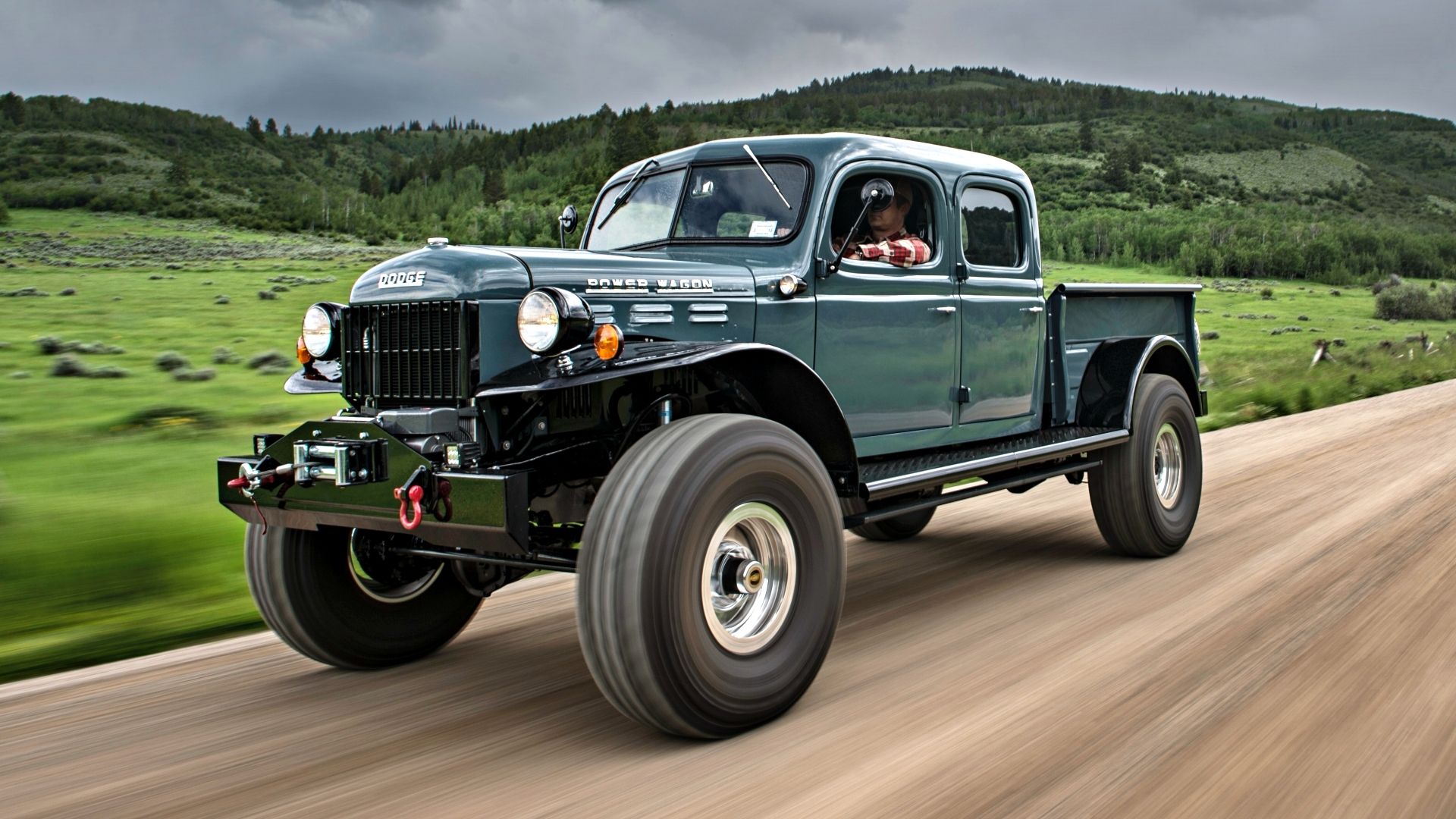
- Resto-Mod: A "resto-mod" combines elements of both restoration and modification, preserving the classic styling while incorporating modern technology and upgrades. These trucks can offer the best of both worlds.
Section 5: Budgeting and Financing
The price of a classic pickup truck can vary widely depending on its condition, rarity, and originality. Set a realistic budget and factor in the following costs:
- Purchase Price: This is the most obvious expense, but be prepared to negotiate.
- Inspection Fees: Consider hiring a qualified mechanic to inspect the truck before you buy it.
- Transportation Costs: If you're buying a truck from out of state, factor in the cost of shipping or driving it home.
- Registration and Insurance: Classic car insurance can be more affordable than regular insurance, but it may have mileage restrictions.
- Maintenance and Repairs: Classic vehicles require regular maintenance and repairs. Set aside a budget for these expenses.
- Restoration or Modification Costs: If you plan to restore or modify the truck, factor in the cost of parts, labor, and any specialized tools you may need.
Section 6: Essential Tips for Buying a Classic Pickup
- Do Your Research: Learn as much as you can about the specific model you're interested in.
- Inspect Thoroughly: Don't rely solely on photos or descriptions. Inspect the truck in person, preferably with a knowledgeable friend or mechanic.
- Take a Test Drive: Get a feel for how the truck drives and handles.
- Negotiate Wisely: Be prepared to walk away if the price isn't right.
- Join a Car Club: Connect with other enthusiasts who can offer advice and support.
- Be Patient: Finding the right classic pickup can take time. Don't rush the process.
Section 7: Potential Challenges and Solutions
- Finding Parts: Locating original or high-quality reproduction parts can be challenging. Online suppliers, swap meets, and classic car clubs can be valuable resources.
- Mechanical Issues: Classic vehicles can be prone to mechanical problems. Consider learning basic maintenance and repair skills, or find a reliable mechanic who specializes in classic cars.
- Storage: Protecting your classic pickup from the elements is essential. If you don't have a garage, consider investing in a car cover or renting a storage space.
- Rust Prevention: Regularly wash and wax your truck, and consider applying rust inhibitors to protect vulnerable areas.
Conclusion: A Rewarding Investment in Automotive History
Owning a classic American pickup truck is a rewarding experience that connects you to a rich automotive heritage. By doing your research, inspecting carefully, and budgeting wisely, you can find the perfect truck to suit your needs and enjoy years of driving pleasure. Whether you're restoring a vintage workhorse or cruising in a stylish resto-mod, a classic pickup is sure to turn heads and spark conversations wherever you go. It's an investment in a piece of American history, a testament to enduring design, and a gateway to a vibrant community of enthusiasts.
Price Table: Estimated Values of Popular Classic American Pickup Trucks (Condition Dependent)
| Model | Year Range | Condition (Fair) | Condition (Good) | Condition (Excellent) | Notes |
|---|---|---|---|---|---|
| Ford F-1 | 1948-1952 | $8,000 - $15,000 | $20,000 - $35,000 | $40,000+ | Values can vary based on specific engine and bed configuration. |
| Ford F-100 | 1953-1956 | $10,000 - $20,000 | $25,000 - $40,000 | $45,000+ | '56 models are generally more desirable. |
| Ford F-100 | 1961-1966 | $8,000 - $18,000 | $22,000 - $38,000 | $42,000+ | Styleside beds are generally more sought after. |
| Chevy C10/K10 (Action Line) | 1960-1966 | $12,000 - $25,000 | $30,000 - $50,000 | $55,000+ | Fleetside (smooth-sided) beds are more popular. |
| Chevy C10/K10 (Squarebody) | 1973-1987 | $6,000 - $15,000 | $18,000 - $35,000 | $40,000+ | Short beds and 4x4 models command a premium. |
| Dodge D-Series | 1961-1971 | $5,000 - $12,000 | $15,000 - $28,000 | $32,000+ | Values can vary significantly depending on specific configuration. |
| Jeep Gladiator/J-Series | 1963-1971 | $7,000 - $16,000 | $20,000 - $35,000 | $40,000+ | 4x4 models and those with the Kaiser engine are highly regarded. |
Disclaimer: These prices are estimates only and can vary significantly based on individual vehicle characteristics, location, and market conditions. Professional appraisals are recommended.
Frequently Asked Questions (FAQ)
Q: What's the best classic pickup for a beginner?
A: The Ford F-100 (especially from the 1960s) and the Chevy C10/K10 (Squarebody) are often recommended due to their relative affordability, widespread availability of parts, and straightforward mechanics.
Q: Is it better to buy a restored or unrestored truck?
A: It depends on your budget, skills, and goals. A restored truck will be more expensive but require less immediate work. An unrestored truck will be cheaper but may need significant repairs.
Q: What's the most important thing to look for when buying a classic pickup?
A: Rust. Extensive rust can be costly and difficult to repair.
Q: Where can I find parts for my classic pickup?
A: Online suppliers like LMC Truck, Classic Industries, and Year One are good starting points. Also, check local swap meets and classic car clubs.
Q: How much does it cost to restore a classic pickup?
A: Restoration costs can vary widely, from a few thousand dollars for minor repairs to tens of thousands of dollars for a full restoration. It depends on the condition of the truck and the level of detail you desire.
Q: Should I get classic car insurance?
A: Classic car insurance is often more affordable than regular insurance, but it may have mileage restrictions. It's worth considering if you don't plan to drive the truck as your primary vehicle.
Q: What's the difference between a C10 and a K10?
A: The C10 is a 2-wheel drive truck, while the K10 is a 4-wheel drive truck.
Q: Is it worth buying a classic pickup as an investment?
A: While some classic pickups have appreciated in value, it's important to remember that they are primarily vehicles, not investments. Buy a classic pickup because you enjoy it, not just to make money.
0 comments