The Ford F-Series is an American icon, and within that lineage, the F100 occupies a special place in the hearts of truck enthusiasts. These pickups, produced from 1953 to 1983, represent a bygone era of rugged simplicity, classic styling, and unparalleled reliability. Finding an F100 for sale can be a rewarding experience, opening the door to owning a piece of automotive history. However, the process requires careful consideration, research, and a keen eye. This guide will walk you through everything you need to know to successfully navigate the F100 market and find the perfect truck for your needs and budget.
Why the F100? The Enduring Appeal
Finding Your Classic Ride: A Comprehensive Guide to F100 Pickup Trucks For Sale
Before diving into the specifics of finding an F100 for sale, it's crucial to understand why these trucks are so popular. Several factors contribute to their enduring appeal:
- Classic Styling: The F100's design, particularly the models from the 1950s and 1960s, is undeniably attractive. Their rounded curves, prominent grilles, and simple lines evoke a sense of nostalgia and timeless beauty.
- Simplicity and Reliability: These trucks were built to last. Their mechanical simplicity makes them relatively easy to maintain and repair, even for amateur mechanics.
- Affordability (Relatively): Compared to other classic vehicles, F100s can be relatively affordable, especially for project trucks.
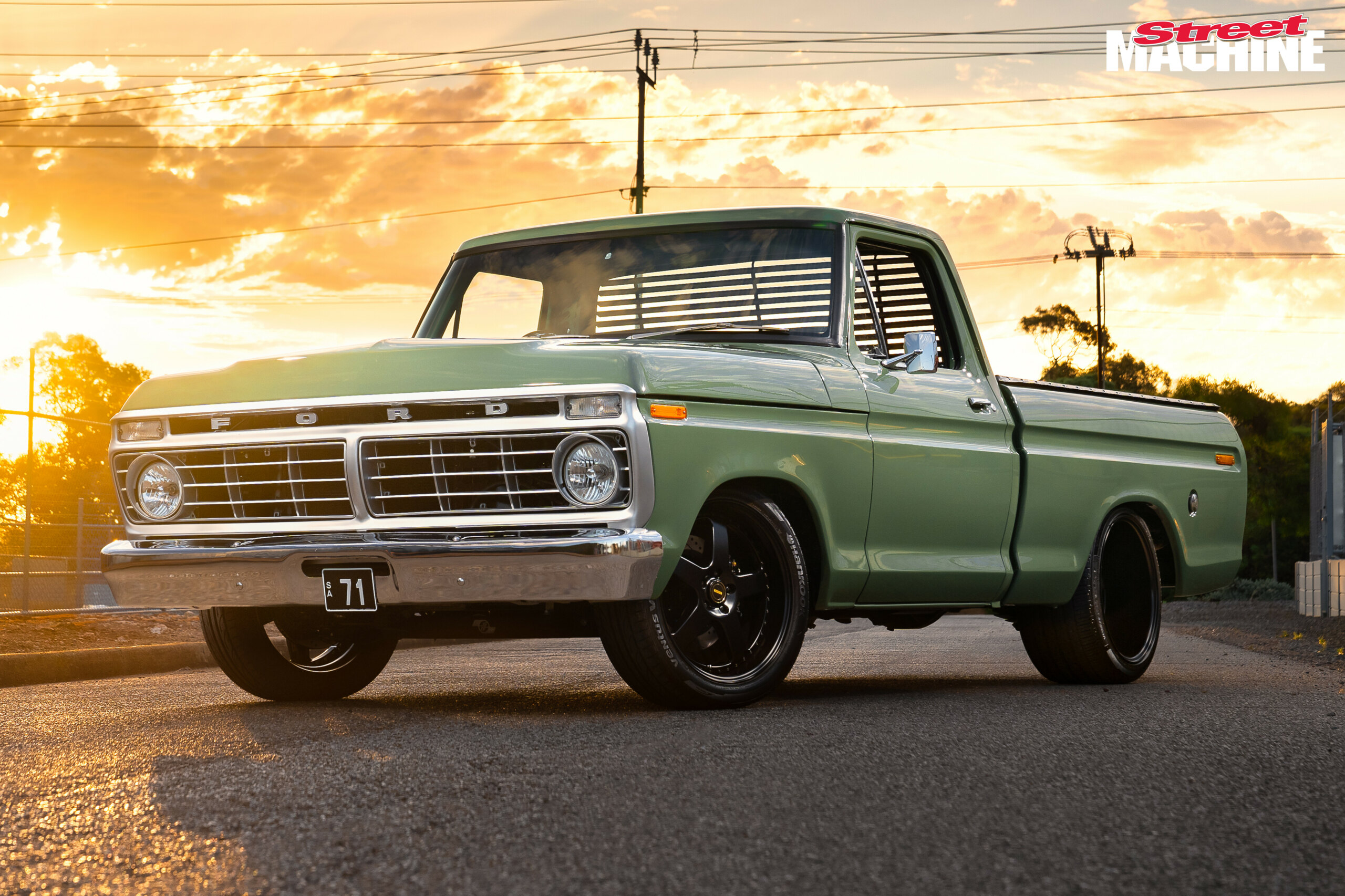
- Customization Potential: The F100 is a blank canvas for customization. From mild restorations to full-blown restomods, the possibilities are endless.
- Community and Support: A vibrant community of F100 enthusiasts exists online and in person, offering a wealth of knowledge, support, and parts resources.
- Investment Potential: Well-maintained and restored F100s can appreciate in value over time, making them a potentially sound investment.
Navigating the F100 Market: Where to Look
Finding an F100 for sale requires a strategic approach. Here are some of the most common places to look:
- Online Marketplaces: Websites like Craigslist, Facebook Marketplace, eBay Motors, and Hemmings are excellent starting points. These platforms offer a wide selection of trucks from various sellers, allowing you to compare prices, condition, and features.
- Online Forums and Clubs: Dedicated F100 forums and clubs often have classified sections where members list their trucks for sale. These listings can be particularly valuable as they often come from knowledgeable enthusiasts who can provide detailed information about the truck's history and condition.
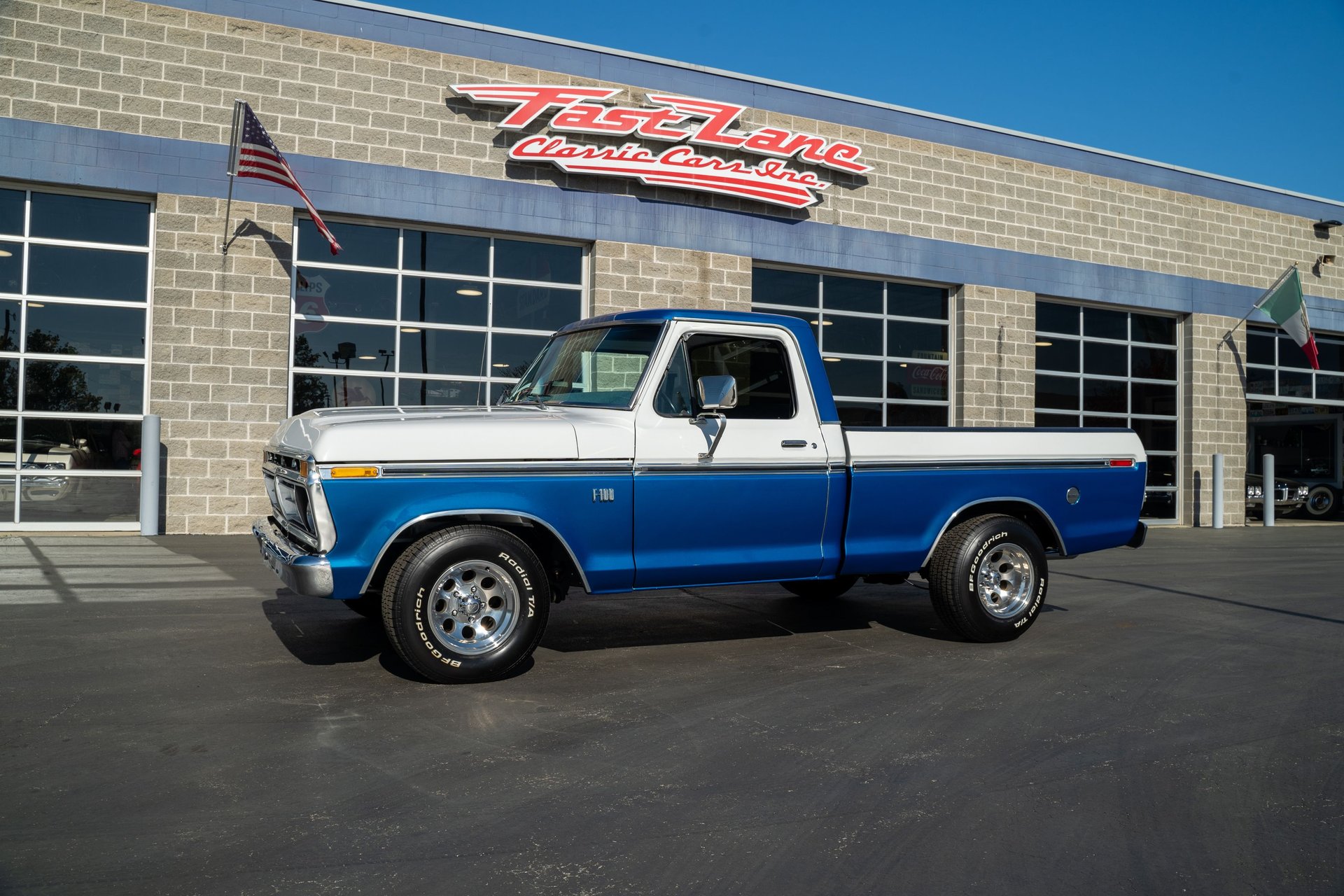
- Classic Car Dealers: Some classic car dealers specialize in vintage trucks, including F100s. While their prices may be higher than private sellers, they often offer a more curated selection and may provide warranties or guarantees.
- Local Auctions: Keep an eye on local auctions, as F100s occasionally appear there. Auctions can be a good way to find a bargain, but it's essential to do your research and inspect the truck carefully before bidding.
- Word of Mouth: Don't underestimate the power of word of mouth. Let your friends, family, and colleagues know that you're looking for an F100. You might be surprised at the leads you uncover.

Due Diligence: Inspecting an F100 Before You Buy
Once you've found a potential candidate, it's crucial to conduct a thorough inspection before making an offer. Here's a checklist of key areas to examine:
- Body Condition:
- Rust: This is the biggest enemy of classic trucks. Pay close attention to common rust-prone areas such as the rocker panels, cab corners, floorboards, bed sides, and around the wheel wells. Use a magnet to check for hidden filler.
- Paint: Check for signs of repainting, bodywork, or mismatched panels. Look for orange peel, overspray, and uneven paint textures.
- Panel Alignment: Ensure that the doors, hood, and bed align properly. Gaps or misalignments can indicate previous accidents or poor bodywork.
- Glass: Inspect the windshield, windows, and mirrors for cracks, chips, or delamination.
- Mechanical Condition:
- Engine: Check for leaks, unusual noises, and excessive smoke. Ask about the engine's history, maintenance records, and any recent repairs.
- Transmission: Test the transmission for smooth shifting and proper engagement. Listen for any grinding or slipping.
- Brakes: Inspect the brake lines, hoses, and pads/shoes. Test the brakes for proper stopping power and pedal feel.
- Suspension: Check the shocks, springs, and bushings for wear and tear. Look for signs of sagging or uneven ride height.
- Electrical System: Test all the lights, gauges, and accessories to ensure they are functioning correctly.
- Interior Condition:
- Seats: Inspect the seats for rips, tears, or worn upholstery.
- Dashboard: Check for cracks, fading, or missing trim.
- Headliner: Look for sagging or tears in the headliner.
- Flooring: Inspect the floorboards for rust or damage.
- Frame: Inspect the frame for rust, cracks, or bends. A damaged frame can be a major red flag.
- Title and Paperwork: Verify that the seller has a clear title to the truck and that the VIN matches the truck. Ask for any maintenance records or documentation.
Negotiating the Price: Knowing Your Value
Determining the fair market value of an F100 requires research and comparison. Consider the following factors:
- Year and Model: Certain years and models are more desirable than others.
- Condition: The condition of the truck is the biggest factor in determining its value. A pristine, restored truck will command a higher price than a project truck.
- Originality: Original, unmolested trucks are often more valuable than modified ones.
- Location: Prices can vary depending on location. Trucks in areas with high demand or limited supply may command higher prices.
- Market Trends: Track the prices of F100s on online marketplaces and auction sites to get a sense of current market trends.
Use this information to negotiate a fair price with the seller. Don't be afraid to walk away if you're not comfortable with the price.
Restoring vs. Restomodding: Choosing Your Path
Once you own an F100, you'll need to decide whether to restore it to its original condition or create a restomod – a blend of classic styling with modern performance and technology.
- Restoration: This involves returning the truck to its original factory specifications. It requires meticulous research, sourcing original parts, and a commitment to authenticity.
- Restomod: This involves upgrading the truck with modern components such as a fuel-injected engine, updated suspension, disc brakes, and modern interior features. Restomods offer improved performance, reliability, and comfort.
The choice between restoration and restomodding depends on your personal preferences, budget, and intended use for the truck.
Common Challenges and Solutions
Owning a classic F100 comes with its share of challenges:
- Finding Parts: Sourcing original parts can be difficult and expensive. Consider using aftermarket parts or reproduction parts when appropriate.
- Rust Repair: Rust repair can be time-consuming and costly. Consider hiring a professional body shop for complex repairs.
- Mechanical Issues: Classic trucks are prone to mechanical issues. Invest in a good set of tools and learn basic repair techniques.
- Storage: Storing your F100 properly is essential to prevent rust and deterioration. Consider investing in a car cover or renting a garage.
Price Table: F100 Pickup Trucks
| Year | Model Condition | Engine | Transmission | Location | Price Range | Notes |
|---|---|---|---|---|---|---|
| 1956 | Fair | Inline 6 | Manual | Rural Texas | $8,000 - $12,000 | Significant rust, needs mechanical work. Good project truck. |
| 1965 | Good | 352 V8 | Automatic | Southern California | $18,000 - $25,000 | Solid body, minor rust. Runs well, recent tune-up. |
| 1972 | Restored | 302 V8 | Automatic | Midwest | $35,000 - $45,000 | Fully restored, original parts. Show-quality condition. |
| 1979 | Driver Quality | 351M V8 | Automatic | Pacific Northwest | $12,000 - $18,000 | Daily driver, some cosmetic blemishes. Mechanically sound. |
| 1983 | Modified (Restomod) | Coyote 5.0 V8 | Automatic | Southeast | $50,000 - $75,000+ | Modern engine, suspension, and interior. Custom build. Price varies greatly based on components. |
| 1953 | Project Truck | No Engine | Manual | Northeast | $3,000 - $7,000 | Heavily rusted, missing parts. Requires extensive restoration. |
| 1967 | Excellent (Original) | 390 V8 | Automatic | Southwest | $40,000 - $60,000 | Extremely well-preserved, original condition. Low mileage. |
| 1970 | Fair/Good | 360 V8 | Manual | Rocky Mountains | $10,000 - $16,000 | Some rust, but mechanically sound. Needs some cosmetic work. |
| 1976 | Restored | 302 V8 | Automatic | Florida | $30,000 - $40,000 | Restored, newer paint, and interior. |
| 1980 | Driver Quality | 302 V8 | Automatic | Upper Midwest | $9,000 - $14,000 | Mechanically sound, some rust, and runs well. |
Important Considerations for the Price Table:
- Prices are estimates: These price ranges are based on current market conditions and can vary significantly depending on specific details.
- Condition is Key: The condition of the truck is the most important factor influencing price.
- Documentation: Trucks with original documentation (build sheets, service records) tend to command higher prices.
- Location Matters: Prices can vary regionally due to demand and availability.
- Modifications: Modifications can increase or decrease value, depending on the quality and desirability of the modifications. Restomods often command a premium.
FAQ: Common Questions About F100s
- What is the most desirable year for F100s? Many enthusiasts favor the 1956 and 1967-1972 models for their styling and features.
- How much does it cost to restore an F100? Restoration costs can vary widely depending on the condition of the truck and the level of restoration. Expect to spend anywhere from $10,000 to $50,000 or more.
- What are some common F100 problems? Common problems include rust, carburetor issues, and electrical problems.
- Where can I find F100 parts? Parts can be found online, at classic car parts suppliers, and at swap meets.
- What is the difference between an F100 and an F150? The F100 was replaced by the F150 in 1975. The F150 is a heavier-duty truck with a higher GVWR.
- Are F100s good investments? Well-maintained and restored F100s can appreciate in value over time, making them a potentially sound investment. However, it's important to do your research and buy wisely.
- How can I identify the year of an F100? Each year has unique styling cues, particularly in the grille, headlights, and trim. Consult online resources and F100 guides to identify the year of a specific truck.
Conclusion: Your Journey to F100 Ownership
Finding and owning an F100 pickup truck is a journey that requires patience, research, and a passion for classic vehicles. By following the tips and advice in this guide, you'll be well-equipped to navigate the F100 market, find the perfect truck for your needs, and enjoy the rewarding experience of owning a piece of American automotive history. Whether you're looking for a pristine show truck or a project to tinker with, the F100 offers a unique blend of classic styling, rugged simplicity, and endless customization potential. Happy hunting!
0 comments