Pickup trucks, traditionally associated with North America, are steadily gaining traction in Germany. While not as ubiquitous as in the US or Australia, their versatility, ruggedness, and increasing availability make them an appealing option for various purposes, from construction work and agriculture to outdoor adventures and even as a lifestyle statement. Buying a used pickup truck in Germany can be a particularly attractive option, offering significant cost savings compared to purchasing new. However, the German automotive market has its own nuances. This comprehensive guide will navigate you through the process, providing you with the knowledge and tools to make an informed decision when buying a used pickup truck in Germany.
1. Why Consider a Used Pickup Truck in Germany?
Navigating the German Market: A Comprehensive Guide to Buying Used Pickup Trucks
The advantages of opting for a used pickup truck in Germany are manifold:
- Cost Savings: This is the most significant benefit. Depreciation hits new vehicles hard, so buying used allows you to acquire a capable truck at a fraction of the original price.
- Wider Selection: The used market offers a broader range of models and trims, potentially allowing you to find a specific configuration that might be unavailable or difficult to obtain new.
- Proven Reliability: With proper inspection, a well-maintained used truck can provide years of reliable service. You can often gauge its reliability based on its history and the reputation of the specific model.
- Lower Insurance and Registration Costs: Generally, older vehicles have lower insurance premiums and registration fees.
- Ready Availability: Unlike new vehicles that may have long lead times, used trucks are usually readily available for immediate purchase.
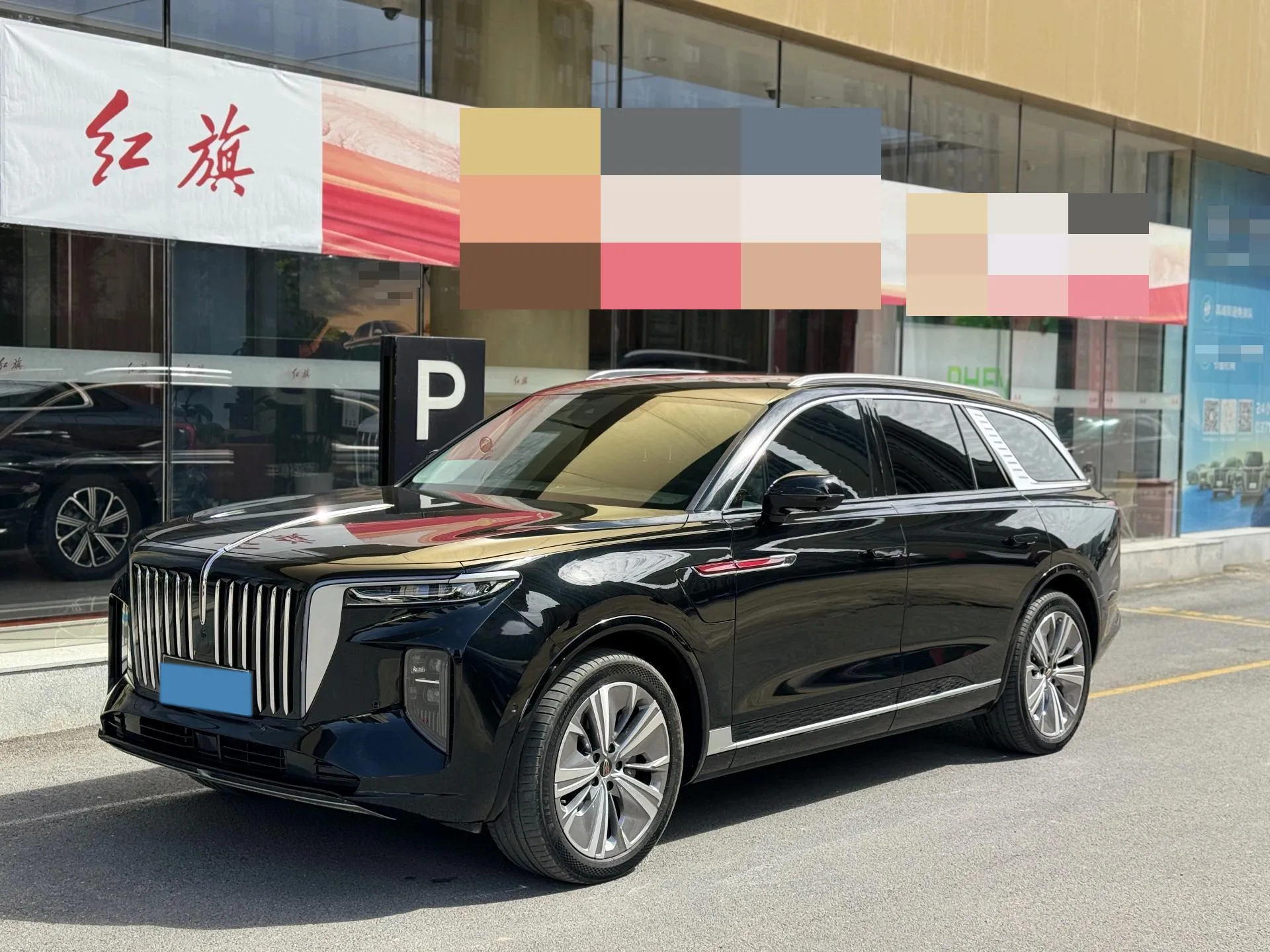
2. Popular Pickup Truck Models in Germany (Used Market Focus)
While the German market isn't flooded with pickup trucks, several models are commonly found in the used sector:
- Volkswagen Amarok: A popular choice known for its blend of German engineering, comfort, and off-road capability. Often sought after for its powerful engines and refined interior.
- Ford Ranger: A global best-seller, the Ranger is rugged, capable, and readily available. Offers a good balance of workhorse utility and modern features.
- Nissan Navara (formerly Pathfinder Pickup): A reliable and durable option, the Navara is known for its strong chassis and practicality.
- Mitsubishi L200 (formerly Mitsubishi Pickup): A tough and capable workhorse, the L200 is appreciated for its durability and off-road performance.
- Toyota Hilux: Renowned for its legendary reliability and resilience, the Hilux is a popular choice for those prioritizing longevity and robustness.
3. Where to Find Used Pickup Trucks in Germany
Several avenues can be explored when searching for used pickup trucks:
- Online Marketplaces: Platforms like Mobile.de, Autoscout24, and eBay Kleinanzeigen are excellent starting points. They offer a vast selection, detailed listings, and search filters to narrow down your options.
- Dealerships: Many dealerships, both brand-specific and multi-brand, sell used vehicles. They often offer warranties and financing options.
- Private Sellers: Buying directly from a private seller can sometimes result in a lower price, but it requires more due diligence and careful inspection.
- Auction Houses: While less common for private buyers, auction houses can offer opportunities to find vehicles at competitive prices. However, thorough inspection is crucial as vehicles are often sold "as is."
- Specialized Used Car Dealers: Some dealers specialize in commercial vehicles, including pickup trucks. They may have a better understanding of the specific needs and requirements of pickup truck buyers.
4. Essential Checks Before Buying: A Step-by-Step Guide
Thorough inspection is paramount when buying a used vehicle. Here's a checklist:
- Exterior Inspection:
- Bodywork: Look for dents, scratches, rust (especially around wheel arches, sills, and undercarriage), and signs of previous repairs. Check panel gaps for consistency.
- Tires: Inspect tire tread depth, wear patterns (uneven wear indicates alignment issues), and overall condition.
- Lights: Ensure all lights (headlights, taillights, brake lights, turn signals) are functioning correctly.
- Windows: Check for cracks, chips, and smooth operation of power windows (if equipped).
- Interior Inspection:
- Upholstery: Look for tears, stains, and excessive wear.
- Electronics: Test all electronic components, including the infotainment system, climate control, and power accessories.
- Odor: A musty or moldy odor could indicate water damage.
- Mileage: Verify the odometer reading and compare it with the vehicle's age and overall condition.
- Mechanical Inspection:
- Engine: Listen for unusual noises (knocking, ticking, rattling) when the engine is running. Check for leaks (oil, coolant).
- Transmission: Test the transmission by shifting through all gears. Look for smooth shifting and avoid any signs of slipping or hesitation.
- Brakes: Test the brakes for responsiveness and smoothness. Listen for squealing or grinding noises.
- Suspension: Check for excessive bouncing or swaying when driving over bumps.
- Undercarriage: Inspect the undercarriage for rust, damage, and signs of off-road abuse.
- Documentation:
- Fahrzeugbrief (Vehicle Registration Document): This document proves ownership. Verify that the seller is the registered owner.
- Fahrzeugschein (Vehicle Registration Certificate): This document contains technical details about the vehicle.
- HU/AU Report (Technical Inspection Report): The "Hauptuntersuchung" (HU) and "Abgasuntersuchung" (AU) are mandatory technical inspections. Ensure the vehicle has a valid HU/AU certificate.
- Service History: Review the service history to verify that the vehicle has been properly maintained.
- Test Drive: A thorough test drive is crucial. Pay attention to the vehicle's handling, performance, and any unusual noises or vibrations.
- Professional Inspection (Highly Recommended): Consider having a qualified mechanic inspect the vehicle before making a purchase. This can uncover hidden issues and provide peace of mind. Organizations like the ADAC (Allgemeiner Deutscher Automobil-Club) offer vehicle inspection services.
5. Important Legal Considerations in Germany
- Ownership Transfer: The ownership transfer process involves completing paperwork and registering the vehicle with the local registration office (Zulassungsstelle).
- Insurance: You must have valid car insurance (Kfz-Haftpflichtversicherung) before registering the vehicle.
- Warranty: Check if the vehicle comes with a warranty, either from the dealer or the manufacturer. Understand the terms and conditions of the warranty.
- VAT (Value Added Tax): Be aware that VAT (Mehrwertsteuer) is included in the price of used vehicles sold by dealers. Private sellers may not include VAT.
6. Negotiating the Price
Negotiation is a common practice when buying a used vehicle. Research the market value of similar vehicles to determine a fair price. Be prepared to walk away if the seller is unwilling to negotiate.
7. Potential Challenges and Solutions
- Language Barrier: If you don't speak German fluently, consider bringing a translator or using online translation tools.
- Limited Pickup Truck Selection: The availability of pickup trucks in the German market is lower than in some other countries. Be patient and persistent in your search.
- Understanding German Automotive Terminology: Familiarize yourself with common German automotive terms to better understand vehicle descriptions and specifications.
- Ensuring Compliance with Regulations: Make sure the truck complies with German regulations, including emissions standards and safety requirements.
8. Tips for a Successful Purchase
- Do your research: Understand the different models, their strengths and weaknesses, and their market value.
- Be patient: Don't rush into a purchase. Take your time to find the right vehicle.
- Inspect thoroughly: Don't rely solely on the seller's description. Inspect the vehicle yourself or have it inspected by a professional.
- Negotiate fairly: Be prepared to negotiate, but be respectful of the seller.
- Get everything in writing: Make sure all agreements are documented in writing.
9. Used Pickup Trucks For Sale In Germany Price Table
| Make & Model | Year Range | Mileage Range (km) | Price Range (€) | Typical Condition | Notes |
|---|---|---|---|---|---|
| VW Amarok | 2015-2020 | 80,000 - 150,000 | 18,000 - 35,000 | Good to Very Good | Popular, well-equipped, higher price range. |
| Ford Ranger | 2012-2018 | 100,000 - 200,000 | 15,000 - 28,000 | Fair to Good | Robust, widely available, good value for money. |
| Nissan Navara | 2010-2016 | 120,000 - 220,000 | 12,000 - 22,000 | Fair to Good | Reliable, but can be prone to rust. |
| Mitsubishi L200 | 2010-2015 | 130,000 - 250,000 | 10,000 - 20,000 | Fair to Good | Durable, work-oriented, often found in agricultural settings. |
| Toyota Hilux | 2008-2014 | 150,000 - 300,000+ | 13,000 - 25,000 | Fair to Good | Known for exceptional reliability, holds its value well. |
| Mercedes-Benz X-Class | 2018-2020 | 50,000 - 120,000 | 25,000 - 40,000 | Good to Very Good | More luxurious, based on the Nissan Navara, higher price range. |
Disclaimer: These prices are indicative and can vary depending on specific condition, optional extras, location, and market demand. Always conduct thorough research to determine the current market value before making a purchase.
10. Frequently Asked Questions (FAQ)
- Q: Is it difficult to find parts for pickup trucks in Germany?
- A: Parts availability varies depending on the model. Common models like the VW Amarok and Ford Ranger generally have good parts availability. For less common models, sourcing parts may require more effort.
- Q: Are pickup trucks subject to the same emissions regulations as cars in Germany?
- A: Yes, pickup trucks are subject to the same emissions regulations as cars. Ensure the vehicle meets the required emissions standards.
- Q: Is it worth buying a pickup truck with high mileage?
- A: It depends on the vehicle's condition and maintenance history. A well-maintained truck with high mileage can still be a good value. However, be prepared for potential repairs and maintenance.
- Q: What is the typical lifespan of a pickup truck in Germany?
- A: With proper maintenance, a pickup truck can last for 200,000 kilometers or more.
- Q: Are pickup trucks popular for off-roading in Germany?
- A: While not as common as in some other countries, pickup trucks are used for off-roading in Germany, particularly in rural areas and for outdoor activities.
- Q: What are the common issues to look out for when buying a used VW Amarok?
- A: Common issues with used Amaroks include EGR valve problems, DPF (Diesel Particulate Filter) issues, and potential problems with the automatic transmission.
Conclusion
Buying a used pickup truck in Germany can be a rewarding experience, offering a versatile and capable vehicle at a reasonable price. By carefully researching your options, conducting thorough inspections, and understanding the legal and practical considerations, you can navigate the German market with confidence and find the perfect truck to meet your needs. Remember to prioritize a comprehensive inspection, consult with professionals when needed, and always prioritize transparency and clear communication throughout the buying process. Happy trucking!
0 comments