Salvage pickup trucks in New York offer a compelling opportunity for budget-conscious buyers, DIY enthusiasts, and those looking for a project vehicle. However, navigating the salvage market requires careful research, due diligence, and a realistic understanding of what you're getting into. This comprehensive guide will walk you through everything you need to know about finding, evaluating, and purchasing salvage pickup trucks for sale in the Empire State.
Introduction: Unearthing Value in Salvage Pickup Trucks
Salvage Pickup Trucks For Sale In NY: A Comprehensive Guide to Finding Your Diamond in the Rough
"Salvage" doesn't necessarily mean scrap. In the automotive world, a salvage title indicates that a vehicle has been declared a total loss by an insurance company due to damage exceeding a certain percentage of its pre-damage value. This damage could stem from accidents, floods, fires, or even theft recovery. While the term "salvage" might conjure images of irreparable wrecks, many salvage trucks are perfectly repairable, offering a significant discount compared to their clean-title counterparts.
The allure of a salvage pickup truck lies in the potential for substantial savings. You could acquire a late-model truck for a fraction of its original price, allowing you to customize it to your exact specifications, use it for work without the pressure of maintaining a pristine vehicle, or even restore it for resale. However, the journey from salvage to road-worthy requires careful planning, mechanical aptitude, and a clear understanding of the legal requirements in New York.
Section 1: Understanding Salvage Titles and Classifications in NY
New York State's Department of Motor Vehicles (DMV) plays a crucial role in regulating salvage vehicles. Before diving into the market, it's essential to understand the different title classifications:
- Salvage Certificate: This document is issued to a vehicle that has been declared a total loss by an insurance company. It signifies that the vehicle cannot be legally registered or driven on public roads in its current condition.
- Certificate of Title with "Prior Salvage" Notation: This title is issued after a salvage vehicle has been repaired and passed a rigorous inspection process. It indicates that the vehicle was previously salvaged but is now deemed road-worthy.
- Flood Vehicle This designates a vehicle that has sustained flood damage. While it can be repaired, the potential for hidden problems like electrical corrosion and mold growth is significant, requiring extra caution.
Understanding these classifications is paramount. You cannot legally drive a vehicle with a salvage certificate on public roads. You must obtain a Certificate of Title with "Prior Salvage" notation before registration and operation are permitted.
Section 2: Where to Find Salvage Pickup Trucks for Sale in NY
Several avenues exist for finding salvage pickup trucks in New York:
- Online Auction Sites: Websites like Copart, Insurance Auto Auctions (IAA), and Manheim (for licensed dealers) specialize in selling salvage vehicles. These platforms offer a wide selection, but bidding wars can drive up prices.
- Local Auto Auctions: Many regional auto auctions hold regular sales featuring salvage vehicles. Check local listings for upcoming events.
- Salvage Yards: Salvage yards, also known as junkyards, are a traditional source for salvage vehicles and parts. While the selection may be less curated than auction sites, you can often negotiate directly with the owner.
- Private Sellers: Occasionally, individuals may sell salvage vehicles directly. These deals can be found through online classifieds or local community groups. Exercise extreme caution when buying from private sellers, ensuring you thoroughly inspect the vehicle and verify the title.
- Dealerships Specializing in Salvage Vehicles: Some dealerships specialize in buying and selling repaired salvage vehicles. These dealerships often handle the inspection and titling process, offering a more convenient, albeit potentially more expensive, option.
Section 3: Evaluating a Salvage Pickup Truck: A Checklist for Success
Thorough inspection is crucial when evaluating a salvage pickup truck. Don't rely solely on online descriptions or photos. If possible, inspect the vehicle in person or hire a qualified mechanic to do so. Here's a comprehensive checklist:
- Title Verification: Verify the title is genuine and accurately reflects the vehicle's history. Check for any discrepancies or red flags.
- Frame Damage: Inspect the frame for bends, cracks, or signs of welding. Frame damage can be costly and difficult to repair properly.
- Engine and Transmission: Start the engine (if possible) and listen for unusual noises. Check the transmission fluid for contamination.
- Body Damage: Assess the extent of body damage. Minor dents and scratches are relatively easy to repair, but extensive damage can be costly.
- Electrical System: Check the lights, signals, and other electrical components. Flood damage can wreak havoc on electrical systems.
- Suspension and Steering: Inspect the suspension components for damage or wear. Check the steering for play or looseness.
- Interior Condition: Examine the interior for water damage, mold, or mildew. These issues can be difficult and expensive to remediate.
- Missing Parts: Note any missing parts, such as airbags, catalytic converters, or other essential components. The cost of replacing these parts can add up quickly.
- Rust: In New York's climate, rust is a common issue. Inspect the undercarriage, body panels, and frame for signs of corrosion.
Section 4: The Repair Process and Re-Titling in NY
Once you've purchased a salvage pickup truck, the real work begins. The repair process will vary depending on the extent of the damage. Common repairs include:
- Bodywork: Repairing dents, scratches, and other body damage.
- Mechanical Repairs: Replacing or repairing damaged engine, transmission, suspension, and steering components.
- Electrical Repairs: Repairing or replacing damaged wiring, sensors, and other electrical components.
- Interior Restoration: Cleaning, repairing, or replacing damaged interior components.
Re-titling a Salvage Vehicle in NY:
After repairs are complete, you must obtain a Certificate of Title with "Prior Salvage" notation. This process involves:
- Repair Documentation: Gather all receipts and documentation for repairs performed.
- Application for Salvage Examination: Complete an Application for Examination of Repair Vehicle (MV-83SAL).
- Inspection: Schedule an inspection at a New York State DMV inspection station. The inspection will verify that the repairs were completed properly and that the vehicle meets safety standards.
- Fees: Pay the required inspection and titling fees.
- Title Issuance: If the vehicle passes inspection, the DMV will issue a Certificate of Title with "Prior Salvage" notation.
Section 5: Important Considerations and Potential Challenges
Purchasing and repairing a salvage pickup truck comes with inherent risks:
- Hidden Damage: Even with a thorough inspection, hidden damage may not be immediately apparent.
- Unexpected Costs: Repair costs can quickly escalate if unforeseen problems arise.
- Time Commitment: Repairing a salvage vehicle can be a time-consuming process.
- Difficulty Obtaining Insurance: Some insurance companies may be reluctant to insure salvage vehicles, or they may charge higher premiums.
- Resale Value: Salvage vehicles typically have lower resale value than clean-title vehicles.
- Legal Compliance: Ensuring compliance with all New York State DMV regulations is crucial.
Section 6: Tips for Success in the Salvage Pickup Truck Market
- Set a Budget: Determine your maximum budget, including the purchase price, repair costs, and titling fees. Stick to your budget to avoid overspending.
- Do Your Research: Research the specific make and model of the truck you're interested in. Identify common problems and potential repair costs.
- Be Patient: Finding the right salvage pickup truck can take time. Don't rush into a purchase.
- Negotiate: Don't be afraid to negotiate the price. Salvage vehicles are often priced lower than their clean-title counterparts, but there's still room for negotiation.
- Get Professional Advice: Consult with a qualified mechanic or body shop before making a purchase. They can provide valuable insights into the vehicle's condition and potential repair costs.
- Consider Your Skills: Be honest about your mechanical abilities. If you're not comfortable performing repairs yourself, factor in the cost of hiring a professional.
Section 7: Types of Salvage Pickup Trucks and Their Potential
Salvage pickup trucks come in a variety of conditions and damage types. Here are a few common scenarios:
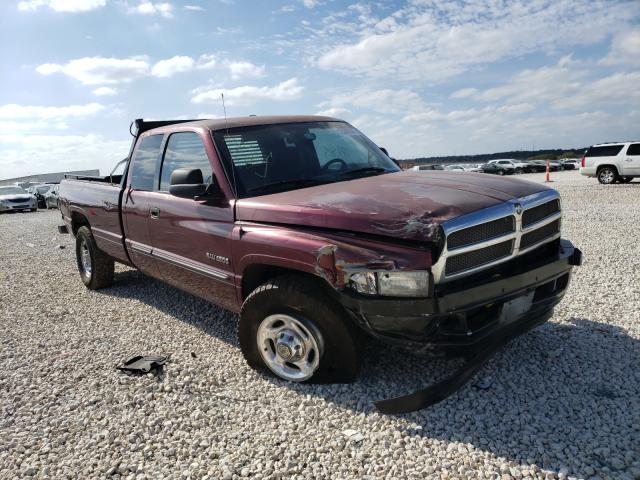
- Collision Damage: Trucks with front-end or rear-end collision damage are common. These can be excellent candidates for repair, especially if the frame is undamaged.
- Theft Recovery: Trucks recovered after being stolen may have minor damage or missing parts. These can be relatively easy to restore.
- Flood Damage: As mentioned earlier, flood-damaged trucks require extra caution due to the potential for hidden problems.
- Mechanical Damage: Trucks with engine or transmission problems can be acquired for a low price, but the cost of repairs can be significant.
- Cosmetic Damage: Trucks with hail damage, dents, or scratches can be a good option for those primarily concerned with functionality over aesthetics.
The best type of salvage pickup truck for you will depend on your skills, budget, and intended use.
Table: Example Pricing and Information
| Make & Model | Year | Damage Type | Estimated Purchase Price | Estimated Repair Costs | Notes |
|---|---|---|---|---|---|
| Ford F-150 | 2018 | Front-End Collision | $4,000 - $6,000 | $3,000 - $5,000 | Common and relatively easy to find parts. Ensure frame is straight. |
| Chevrolet Silverado | 2016 | Theft Recovery | $3,000 - $5,000 | $1,000 - $3,000 | Check for missing catalytic converter and other valuable components. Verify keys and security system functionality. |
| Ram 1500 | 2020 | Hail Damage | $5,000 - $7,000 | $1,500 - $3,000 | Ideal for those prioritizing function over appearance. Paintless dent repair (PDR) can be a cost-effective solution. |
| Toyota Tacoma | 2015 | Flood Damage | $2,000 - $4,000 | $4,000 - $7,000 | Proceed with extreme caution. Electrical issues are likely. Mold remediation can be expensive. Requires thorough inspection and professional assessment. |
| GMC Sierra | 2017 | Rear-End Collision | $4,500 - $6,500 | $3,500 - $5,500 | Inspect frame carefully. Ensure proper alignment after repairs. |
Disclaimer: These are estimated prices and repair costs. Actual costs may vary depending on the severity of the damage, the availability of parts, and the labor rates in your area.
Conclusion: The Rewards and Risks of Salvage Trucks
Buying a salvage pickup truck in NY can be a rewarding experience, offering significant savings and the opportunity to create a customized vehicle. However, it's not a decision to be taken lightly. Thorough research, careful inspection, and a realistic understanding of the repair process are essential for success. By following the guidelines outlined in this article, you can navigate the salvage market with confidence and potentially unearth a valuable diamond in the rough. Remember to always prioritize safety and legal compliance throughout the entire process.
Frequently Asked Questions (FAQ)
-
Q: Can I drive a salvage truck with a salvage certificate?
- A: No. You must obtain a Certificate of Title with "Prior Salvage" notation before you can legally register and drive the vehicle on public roads in New York.
-
Q: How do I get a salvage title in NY?
- A: If your insurance company declares your vehicle a total loss, they will typically handle the salvage title process. If you purchase a salvage vehicle from out of state, you will need to apply for a salvage certificate with the NY DMV.
-
Q: Is it difficult to get insurance for a salvage vehicle?
- A: Some insurance companies may be hesitant to insure salvage vehicles, or they may charge higher premiums. Shop around and compare quotes from different insurers.
-
Q: What is a "rebuilt" title?
- A: In New York, there is no "rebuilt" title. The correct term is a "Certificate of Title with Prior Salvage" notation. This indicates that the vehicle was previously salvaged but has been repaired and inspected.
-
Q: How much does it cost to get a salvage vehicle inspected in NY?
- A: The inspection fee varies, but it's typically around $50-$100. Contact your local DMV inspection station for the exact fee.
-
Q: Can I use salvage parts to repair a salvage vehicle?
- A: Yes, you can use salvage parts, but they must be in good working condition and meet safety standards. Keep receipts for all parts purchased.
-
Q: Is it worth buying a flood-damaged truck?
- A: Flood-damaged trucks can be problematic. Unless you have extensive experience and knowledge of electrical and mechanical systems, it's generally best to avoid them.
-
Q: What are the risks of buying a salvage truck?
- A: The risks include hidden damage, unexpected repair costs, difficulty obtaining insurance, lower resale value, and legal compliance issues.
0 comments