The allure of a pickup truck is undeniable. They represent ruggedness, utility, and freedom. But the price tag often presents a significant barrier to entry. This is where salvage title pickup trucks enter the picture, offering a potentially affordable route to truck ownership. However, navigating the world of salvage titles requires careful consideration and a thorough understanding of the risks and rewards involved. This comprehensive guide will equip you with the knowledge needed to make an informed decision about buying, repairing, and rebuilding a salvage title pickup truck.
Introduction: Unlocking Value in Rebuildable Rigs
Salvage Title Pickup Trucks For Sale: A Comprehensive Guide to Buying, Repairing, and Rebuilding
A salvage title is a designation assigned to a vehicle by an insurance company or state Department of Motor Vehicles (DMV) when it has been declared a total loss. This usually happens when the cost of repairing the damage exceeds a certain percentage of the vehicle's pre-damage value, typically between 70% and 90%. While the term "salvage" might conjure images of irreparable wrecks, many salvage title pickup trucks have suffered relatively minor damage or theft recovery.
The primary appeal of salvage title trucks lies in their significantly lower purchase price compared to their clean-title counterparts. This discount reflects the inherent risks and uncertainties associated with the vehicle's history and condition. However, for mechanically inclined individuals or those willing to invest in repairs, a salvage title truck can represent a substantial cost savings and a rewarding restoration project.
Section 1: Understanding the Salvage Title Designation
Before diving into the market, it's crucial to understand what a salvage title actually means.
-
What Causes a Salvage Title? Common causes include:
- Collision Damage: This is the most frequent reason. The severity can range from minor fender benders to major structural damage.
- Flood Damage: Submersion in water can wreak havoc on a vehicle's electrical systems, engine, and interior.
- Theft Recovery: Trucks recovered after being stolen often have salvage titles, even if they appear undamaged. This is because insurance companies often pay out the claim before the vehicle is recovered.
- Hail Damage: Severe hail storms can cause extensive cosmetic damage, leading to a total loss declaration.
- Vandalism: Significant vandalism can result in a salvage title.


-
Salvage vs. Rebuilt/Reconstructed Titles: It's important to distinguish between these terms. A salvage title indicates the vehicle has been declared a total loss. A rebuilt/reconstructed title (terminology varies by state) is issued after the vehicle has been repaired, inspected, and deemed roadworthy by the relevant authorities.
-
State Regulations: Salvage title laws vary significantly from state to state. Some states require stringent inspections before a rebuilt title can be issued, while others have more lenient regulations. Understanding your state's specific requirements is crucial. This includes knowing the inspection process, required documentation, and any restrictions on operating a vehicle with a salvage title.
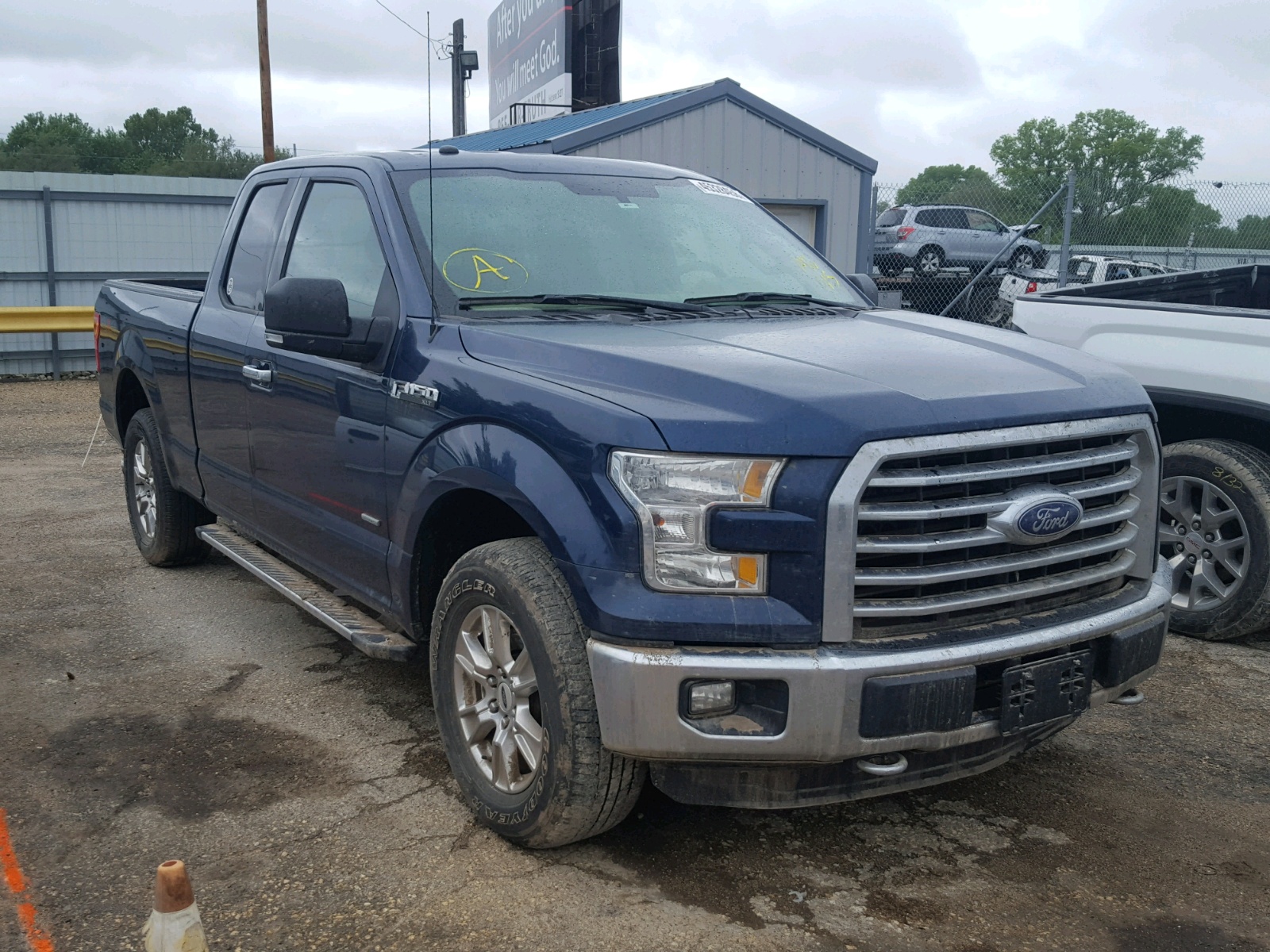
Section 2: Benefits of Buying a Salvage Title Pickup Truck
Despite the inherent risks, purchasing a salvage title truck can offer several advantages:
- Significant Cost Savings: This is the primary driver for most buyers. Salvage title trucks typically sell for a fraction of the price of comparable clean-title vehicles.
- Project Potential: For mechanically inclined individuals, restoring a salvage title truck can be a rewarding and challenging project. It provides an opportunity to hone your skills and create a custom vehicle.
- Source of Parts: Even if you don't intend to rebuild the entire truck, it can serve as a valuable source of parts for other vehicles or projects.
- Unique Opportunity: Salvage title trucks often offer the chance to acquire models or trims that might otherwise be financially out of reach.
Section 3: How to Find Salvage Title Pickup Trucks for Sale
Finding salvage title trucks requires a different approach than searching for used vehicles. Here are some common sources:
- Insurance Auctions: Insurance companies often auction off salvage vehicles to recover some of their losses. Sites like Copart and IAAI (Insurance Auto Auctions) are popular platforms.
- Online Marketplaces: Websites like Craigslist and Facebook Marketplace can be a source of salvage title vehicles, but exercise extreme caution and thoroughly vet the seller.
- Salvage Yards: Local salvage yards are a good place to find trucks, but the condition may vary significantly.
- Dealers Specializing in Salvage Vehicles: Some dealers specialize in buying and selling salvage title vehicles. They often have a better understanding of the process and can provide more information about the vehicle's history.
Section 4: The Inspection Process: Due Diligence is Key
Thorough inspection is paramount when considering a salvage title truck. Never buy one sight unseen.
- Visual Inspection: Look for signs of damage, including rust, dents, misaligned panels, and water damage. Pay close attention to the frame, suspension, and engine bay.
- Mechanical Inspection: If possible, have a qualified mechanic inspect the vehicle. They can identify potential mechanical problems that may not be immediately apparent. Check the engine, transmission, brakes, and steering system.
- Electrical Inspection: Electrical problems are common in salvage vehicles, especially those with flood damage. Check all lights, sensors, and electronic components.
- Frame Inspection: Frame damage can be costly to repair and can affect the vehicle's handling and safety. Have the frame inspected by a professional.
- Title Verification: Verify the title history and ensure that the seller has the legal right to sell the vehicle. Check for any liens or encumbrances.
- OBD-II Scan: Use an OBD-II scanner to check for diagnostic trouble codes (DTCs) that can indicate underlying problems.
Section 5: Repairing and Rebuilding: A Step-by-Step Guide
The repair and rebuilding process can be complex and time-consuming.
- Assess the Damage: Create a detailed list of all necessary repairs, including parts, labor, and materials.
- Source Parts: Obtain the necessary parts from salvage yards, online retailers, or dealerships. Consider using aftermarket parts to save money.
- Perform Repairs: Complete all necessary repairs, following industry best practices and safety guidelines. This may involve bodywork, mechanical repairs, and electrical repairs.
- Documentation: Keep meticulous records of all repairs, including receipts, invoices, and photographs. This documentation will be required for the rebuilt title inspection.
- Inspection: Once the repairs are complete, schedule an inspection with the relevant authorities. The inspector will verify that the repairs meet safety standards and that the vehicle is roadworthy.
- Rebuilt Title Application: After passing the inspection, apply for a rebuilt title.
Section 6: Important Considerations and Potential Challenges
- Insurance: Obtaining insurance for a salvage title vehicle can be challenging and expensive. Some insurance companies may not offer coverage, while others may require a pre-insurance inspection.
- Resale Value: Salvage title vehicles typically have a lower resale value than comparable clean-title vehicles.
- Hidden Problems: Salvage vehicles may have hidden problems that are not immediately apparent.
- Time Commitment: Repairing and rebuilding a salvage title vehicle can be a significant time commitment.
- Cost Overruns: Repair costs can easily exceed initial estimates.
- State Regulations: As mentioned earlier, strict state regulations may make it difficult to get a rebuilt title.
Section 7: Tips for Success
- Do Your Research: Thoroughly research the vehicle's history and condition before making an offer.
- Be Realistic: Understand the risks and challenges involved in buying and rebuilding a salvage title vehicle.
- Set a Budget: Establish a realistic budget for repairs and stick to it.
- Be Patient: The repair and rebuilding process can take time.
- Seek Professional Advice: Consult with a qualified mechanic or body shop for advice and guidance.
- Prioritize Safety: Ensure that all repairs are performed to meet safety standards.
Table: Price Guide - Salvage Title vs. Clean Title Pickup Trucks (Example)
| Truck Model | Year | Condition (Pre-Damage) | Clean Title Value | Salvage Title Price (Estimated) | Notes |
|---|---|---|---|---|---|
| Ford F-150 XLT | 2018 | Good | $28,000 | $10,000 - $15,000 | Collision damage to front end. |
| Chevrolet Silverado 1500 | 2016 | Excellent | $25,000 | $8,000 - $12,000 | Theft recovery, minor damage. |
| Ram 1500 Laramie | 2019 | Very Good | $35,000 | $12,000 - $18,000 | Flood damage (minor submersion). Requires thorough electrical check. |
| Toyota Tacoma TRD Off-Road | 2017 | Good | $30,000 | $11,000 - $16,000 | Hail damage. Primarily cosmetic. |
| GMC Sierra 2500HD | 2015 | Good | $27,000 | $9,000 - $14,000 | Rollover accident. Frame damage suspected. |
Note: These are estimated prices. Actual prices may vary depending on the specific vehicle, location, and market conditions. Always inspect the vehicle thoroughly before making an offer.
Conclusion: Is a Salvage Title Truck Right for You?
Buying a salvage title pickup truck is not for everyone. It requires a significant investment of time, effort, and money. However, for those with the skills, resources, and patience, it can be a rewarding and cost-effective way to own a truck. By understanding the risks and challenges involved, and by following the advice outlined in this guide, you can make an informed decision and potentially unlock significant value in a rebuildable rig. Ultimately, the key is to approach the process with caution, thoroughness, and a realistic expectation of the work required.
Frequently Asked Questions (FAQ)
-
Q: Can I drive a vehicle with a salvage title?
- A: No, you cannot legally drive a vehicle with a salvage title on public roads. You must first repair the vehicle, pass an inspection, and obtain a rebuilt title.
-
Q: How much can I save buying a salvage title truck?
- A: Savings can range from 30% to 70% compared to a clean-title vehicle, depending on the damage and market conditions.
-
Q: Is it difficult to get insurance for a rebuilt title truck?
- A: It can be more challenging than insuring a clean-title vehicle. Shop around and compare quotes from different insurance companies.
-
Q: What are the biggest risks associated with buying a salvage title truck?
- A: Hidden damage, inaccurate damage assessments, cost overruns, and difficulty obtaining a rebuilt title.
-
Q: Can I finance a salvage title truck?
- A: It can be difficult, but some lenders specialize in financing salvage vehicles. Expect higher interest rates and stricter lending criteria.
-
Q: What documentation do I need to get a rebuilt title?
- A: Requirements vary by state, but typically include receipts for parts and labor, photographs of the repairs, and inspection reports.
-
Q: How do I find reputable mechanics and body shops to work on a salvage title truck?
- A: Ask for recommendations from friends, family, or online forums. Check online reviews and verify that the shop is licensed and insured.
0 comments