The dream of owning a pickup truck is often intertwined with visions of hard work, weekend adventures, and the freedom to haul just about anything. But for many, the price tag of a new or even late-model used truck can be a significant barrier. This is where the allure of the $1000 pickup truck comes into play. The prospect of acquiring a functional truck for such a low price is undeniably appealing, but it also comes with its own set of realities. This guide will delve into the world of $1000 pickup trucks, exploring where to find them, how to assess their condition, what to expect, and how to potentially bring them back to life.
What Does "1000 Dollar Pickup Truck" Really Mean?
The Elusive $1000 Pickup Truck: A Guide to Finding, Assessing, and Reviving a Diamond in the Rough
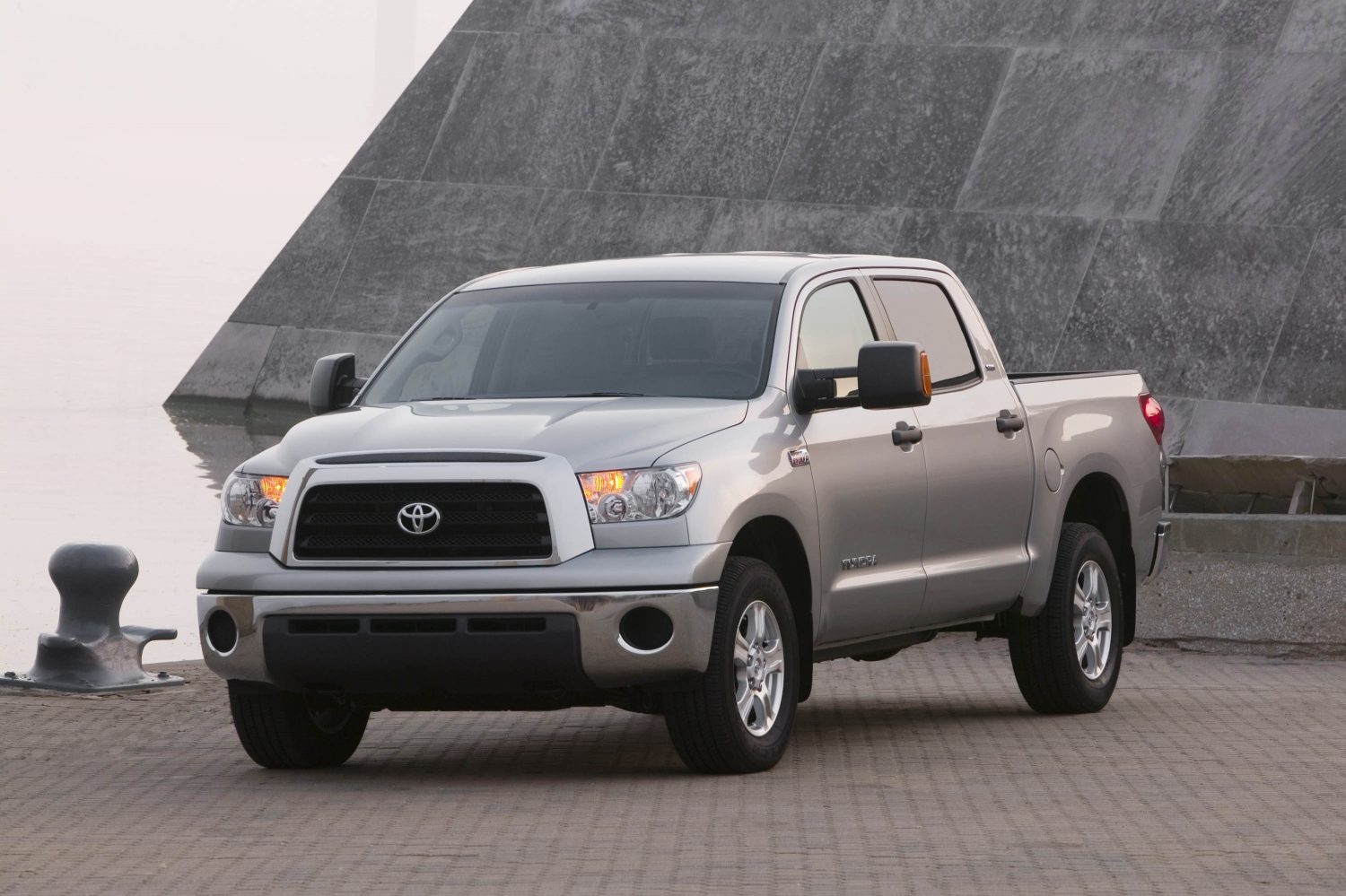
Let's be clear: a $1000 pickup truck isn't going to be a pristine, turn-key machine. It's likely to be an older model, often with high mileage, cosmetic imperfections, and potential mechanical issues. It's a vehicle that's seen better days, but might still have some life left in it, or at least offer a solid foundation for a restoration project. Think of it as a project truck, a fixer-upper, or a potential donor vehicle for parts.
The importance of understanding this reality cannot be overstated. Expecting a $1000 truck to perform like a truck costing ten times as much is setting yourself up for disappointment. However, with the right mindset, mechanical aptitude, and a willingness to invest time and effort, you can potentially find a worthwhile vehicle.
Where to Find the Needle in the Haystack: Searching for $1000 Pickup Trucks
Finding a pickup truck for $1000 requires patience and a willingness to look beyond the typical online marketplaces. Here are some of the best places to start your search:
- Online Classifieds (Craigslist, Facebook Marketplace): While newer trucks dominate these platforms, older, less-maintained trucks often slip through the cracks. Search frequently and use specific keywords like "project truck," "mechanic's special," or "as is."
- Local Auctions (Government, Estate, Towing Companies): Auctions often feature vehicles seized or abandoned, and pickup trucks, especially older ones, are common. The competitive bidding can sometimes drive prices up, but you might find a steal.
- Junkyards and Salvage Yards: While not technically "for sale" as a whole vehicle, junkyards are treasure troves of parts. Sometimes, you can negotiate the purchase of an entire truck, particularly if it's considered "scrap."
- Word of Mouth: Let your friends, family, and acquaintances know you're looking for a cheap pickup truck. You never know who might be looking to get rid of an old vehicle taking up space.
- Rural Areas: In more rural areas, where trucks are often used for work and then replaced, you may find older models that have been sitting idle for years. Look for trucks parked in fields or behind barns.
Assessing the Beast: What to Look For (and What to Avoid)
Before handing over your $1000, a thorough inspection is crucial. Remember, you're not buying perfection; you're buying potential. Here's a checklist of key areas to examine:
- Engine:
- Start it up: Does it start easily? How does it sound? Listen for unusual noises like knocking, hissing, or grinding.
- Check fluids: Examine the oil, coolant, and transmission fluid. Are they clean and at the correct levels? Milky oil could indicate a head gasket issue.
- Look for leaks: Inspect the engine compartment for signs of oil or coolant leaks.
- Smoke: Note the color of any exhaust smoke. Blue smoke suggests burning oil, while white smoke could indicate a coolant leak.

- Transmission:
- Test drive: If possible, test drive the truck and pay attention to how the transmission shifts. Are there any slipping or harsh shifts?
- Check fluid: Similar to the engine, check the transmission fluid for cleanliness and level.
- Frame:
- Rust: This is the most critical area to inspect. Severe frame rust can compromise the truck's structural integrity and make it unsafe to drive. Look for rust patches, holes, or flaking metal. A small amount of surface rust may be acceptable, but avoid trucks with extensive rust damage.
- Damage: Check for any signs of bending, twisting, or previous repairs.
- Body:
- Rust: Body rust is less critical than frame rust, but it can still be costly to repair. Look for rust around the wheel wells, rocker panels, and bed.
- Damage: Dents, dings, and scratches are to be expected, but check for any major collision damage that could affect the truck's alignment.
- Brakes:
- Test drive: Check the brakes for responsiveness and stopping power. Listen for any grinding noises.
- Inspect lines: Look for any signs of leaks or damage to the brake lines.
- Electrical:
- Lights: Test all the lights, including headlights, taillights, brake lights, and turn signals.
- Battery: Check the battery condition and terminals.
- Wiring: Inspect the wiring harness for any signs of damage or corrosion.
What to Expect: The Realities of a $1000 Truck
Buying a $1000 truck is not without its challenges. Be prepared for:
- Mechanical Issues: Expect to perform repairs, potentially significant ones.
- Cosmetic Imperfections: Dents, rust, and faded paint are par for the course.
- Limited Reliability: Don't expect to rely on a $1000 truck for daily transportation without investing time and money in repairs.
- Potential for Hidden Problems: Some issues may not be immediately apparent during an inspection.
- Title Issues: Ensure the truck has a clean title before purchasing it. A salvage or rebuilt title may indicate significant damage.
Bringing It Back to Life: Tips and Tricks
If you decide to take on the challenge of reviving a $1000 pickup truck, here are some tips:
- Start with the Essentials: Focus on getting the truck running and safe first. Address any mechanical issues that could affect its reliability or safety.
- Prioritize Repairs: Make a list of repairs and prioritize them based on importance and cost.
- DIY Whenever Possible: Save money by performing repairs yourself. There are countless online resources available to guide you.
- Source Parts Wisely: Look for used parts at junkyards or online marketplaces.
- Don't Be Afraid to Negotiate: Haggle with the seller to get the best possible price.
Types of $1000 Pickup Trucks (Generally Speaking)
Given the age and condition, you're unlikely to be picky about the make and model. However, some popular trucks from the 1980s, 1990s, and early 2000s that occasionally fall into the $1000 price range include:
- Ford F-Series (F-150, F-250): Reliable and readily available parts.
- Chevrolet/GMC C/K Series (C1500, K1500): Similar to Ford, with a strong aftermarket.
- Dodge Ram (1500, 2500): Known for their powerful engines, but can be prone to rust.
- Smaller Trucks (Ford Ranger, Chevy S-10, Toyota Pickup): These are usually found for this price point. More fuel efficient and easier to work on, but less capable for heavy hauling.
Table: A Glimpse into the $1000 Pickup Truck World
| Feature | Description | Considerations |
|---|---|---|
| Price Range | $500 - $1500 (Typically) | Prices can fluctuate based on location, condition, and seller motivation. |
| Year Models | Primarily 1980s - Early 2000s | Older vehicles may have fewer safety features and less fuel efficiency. |
| Mileage | High (Often exceeding 200,000 miles) | Expect potential engine and transmission wear. |
| Condition | "As-is," "Mechanic's Special," "Project Truck" | Requires thorough inspection and realistic expectations. |
| Common Issues | Rust (frame and body), engine problems, transmission issues, brake problems, electrical problems | Factor in repair costs when considering the purchase. |
| Potential Uses | Farm work, light hauling, off-road project, parts vehicle, learning mechanical skills | Not typically suitable for daily commuting or heavy-duty work without significant repairs. |
| Where to Find | Online classifieds (Craigslist, Facebook Marketplace), local auctions, junkyards, word of mouth, rural areas | Be persistent and patient in your search. |
| Key Inspections | Engine (starting, fluids, leaks), transmission (shifting), frame (rust, damage), body (rust, damage), brakes, electrical | Bring a knowledgeable friend or mechanic for assistance. |
| Important Note | Due diligence is key. Expect to spend time and money on repairs. A $1000 truck is an investment, not a ready-to-go solution. | Consider the total cost of ownership (purchase price + repairs) before making a decision. |
| Potential Savings | Great for people who are willing to work on their own vehicle and repair it. | Knowledge of cars and/or a willingness to learn is a must to make this option viable. |
Conclusion: Is a $1000 Pickup Truck Right for You?
Buying a $1000 pickup truck is a gamble, but it can be a worthwhile gamble for the right person. If you're mechanically inclined, enjoy working on cars, and are looking for a project, a $1000 truck could be a rewarding experience. However, if you need a reliable vehicle for daily transportation or heavy-duty work, you're likely better off saving up for a newer, more expensive model. The key is to be realistic about the challenges involved and to approach the purchase with a healthy dose of skepticism and a willingness to get your hands dirty.
Frequently Asked Questions (FAQ)
Q: Can I really find a running pickup truck for $1000?
A: It's possible, but rare. The truck will likely be old, high-mileage, and require some work.
Q: What's the most important thing to look for when buying a cheap pickup truck?
A: Frame rust. Severe frame rust can make the truck unsafe to drive and costly to repair.
Q: Is it worth buying a pickup truck with a salvage title?
A: It depends on the extent of the damage and your ability to repair it. Proceed with caution and get a professional inspection.
Q: Where can I find cheap parts for my $1000 pickup truck?
A: Junkyards, online marketplaces (eBay, Craigslist), and auto parts stores that offer used parts.
Q: How much should I budget for repairs?
A: It's difficult to say, but be prepared to spend at least a few hundred dollars on essential repairs.
Q: Can I use a $1000 pickup truck for daily driving?
A: Not likely without significant repairs. It's best suited for occasional use or as a project vehicle.
Q: What are some common problems with old pickup trucks?
A: Rust, engine problems, transmission issues, brake problems, electrical problems, and worn suspension.
Q: Is it better to buy a smaller truck (like a Ford Ranger) or a full-size truck for $1000?
A: Smaller trucks tend to be more fuel-efficient and easier to work on, but they're less capable for heavy hauling.
Q: Should I bring a mechanic with me when inspecting a $1000 pickup truck?
A: If possible, yes. A mechanic can help you identify potential problems that you might miss.
Q: What should I do if the seller won't let me test drive the truck?
A: Walk away. A test drive is essential to assess the truck's condition.
0 comments